

First training at the Mediterranean Institute for Oceanography in Marseille
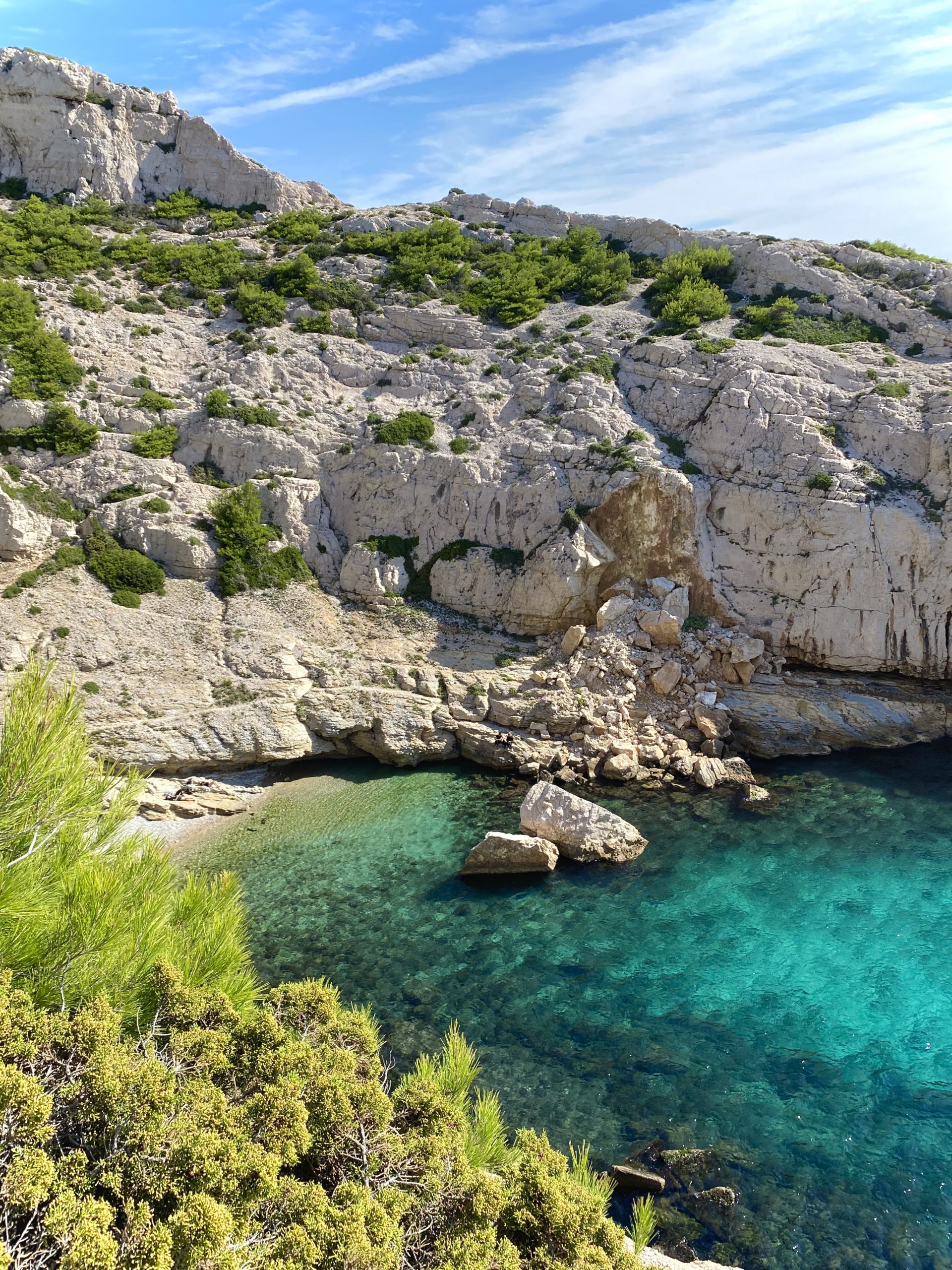
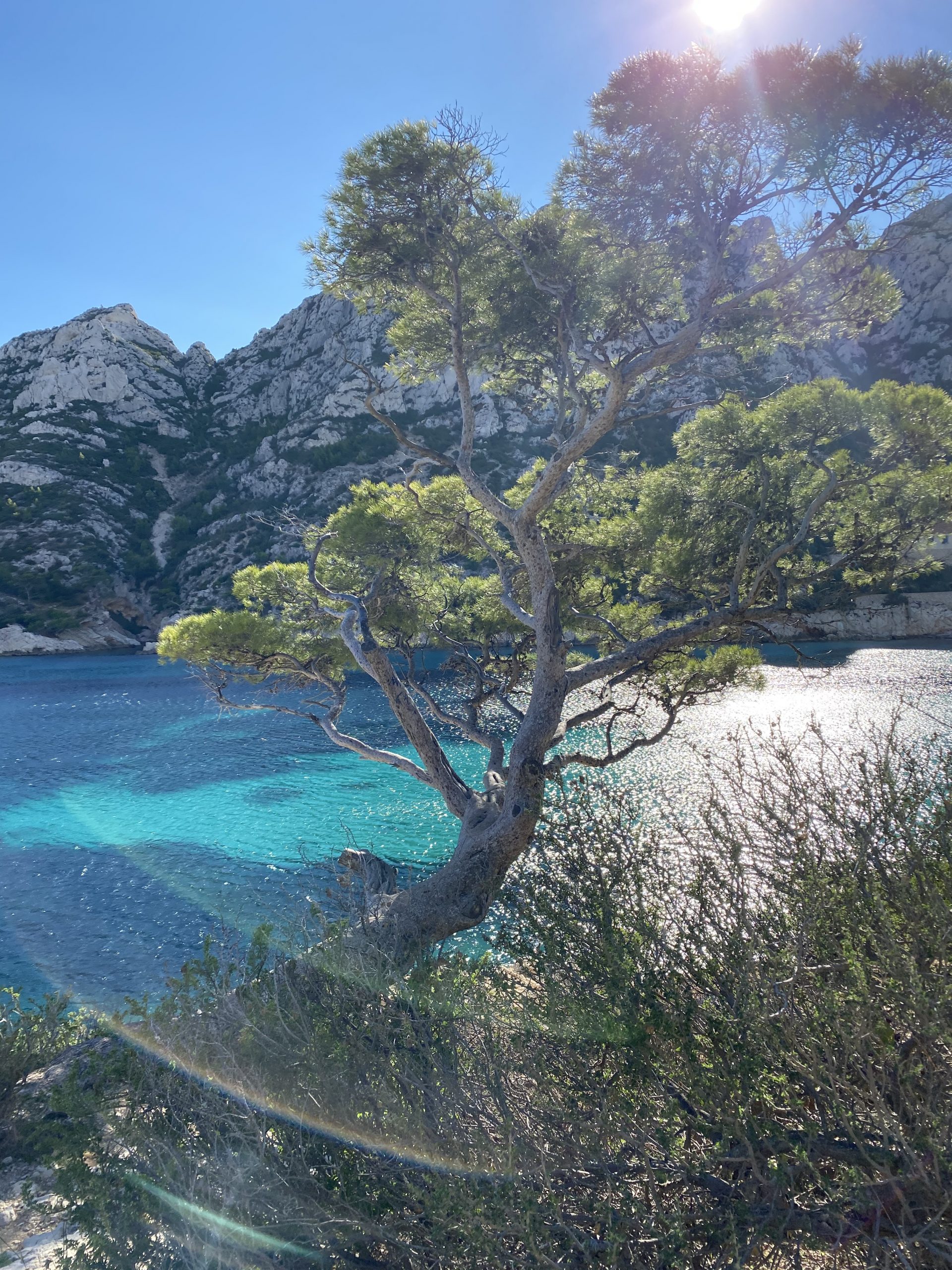
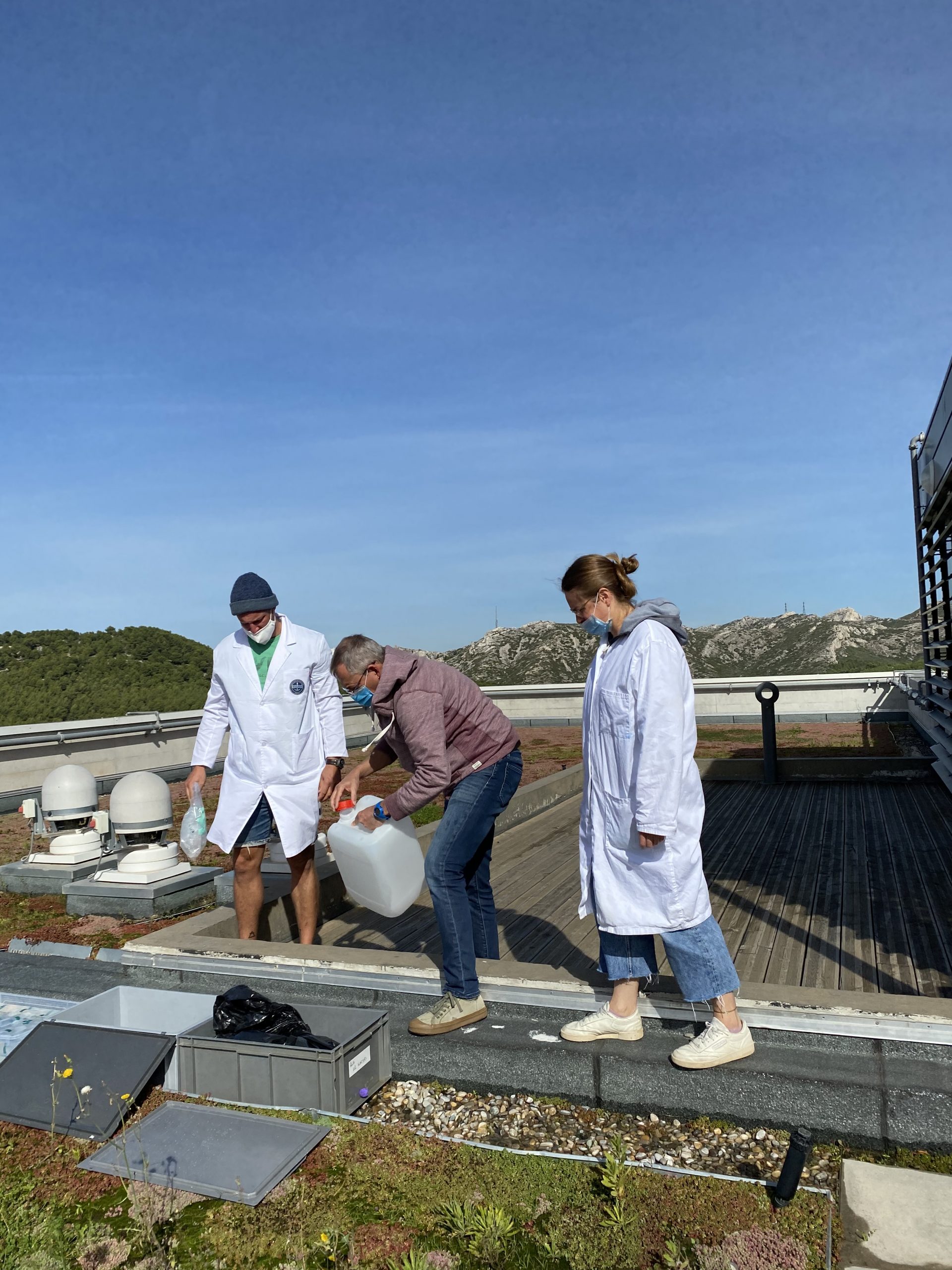
From the 5th to 10th of October our first training within the GMOS Project took place at the Mediterranean Institute for Oceanography (MIO) in Marseille (France). The objectives of the first training were to compare sampling strategies, sample treatment and to improve the inter-comparability of mercury (Hg) species measurements. The total Hg, dissolved gaseous Hg (DGM), and methylmercury species on coastal and open water samples were assessed using different methodologies. Despite the COVID-19 situation, some of the freshly started ESR PhD students Alina Kleindienst (UPPA, ESR 5), Natalia Torres Rodriguez (MIO/AMU, ESR 4) and Sonja Gindorf (SU ESR, 7) were introduced to the world of marine mercury by Lars-Eric Heimbürger-Boavida (CNRS/MIO), David Amouroux (UPPA), Emmanuel Tessier (UPPA) and Jeroen Sonke (CNRS/GET).
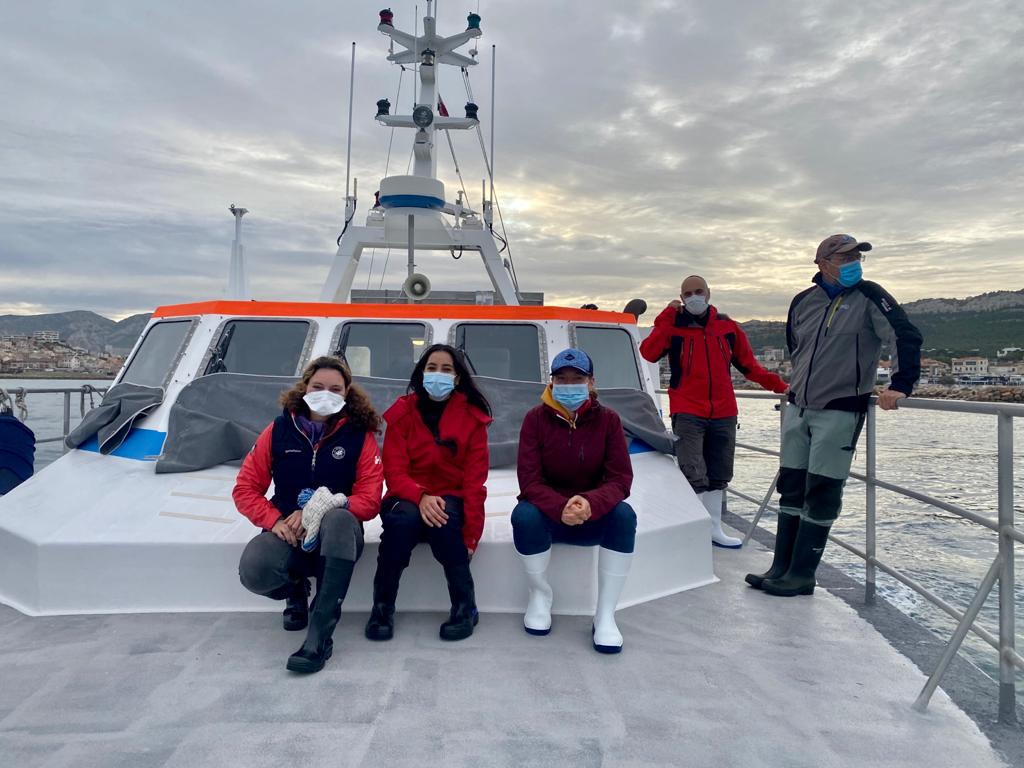
After a short theoretical introduction, the researchers spent the Monday at the coastal research station Endoume getting a first hands-on impression of the sample collection and preservation. The SSL@MM at Endoume, the Seawater Sensing Lab @ MIO Marseille, is a new facility continuously providing sea water in the laboratory from an intake at the end of the pier extending 50 m into the sea. On Tuesday the group set out for a day cruise on board the R/V Antédon II. About 1 hour sailing from the Pointe Rouge harbor in Marseille, sea water samples were collected from 10 different depths at our first marine research station “GMOS_Med_Sea_01” using a rosette frame equipped with a CTD and 10 trace metal clean OTE bottles. “Despite some seasickness and corona restrictions, the day was full of fun and success and I am very happy with all I have learned”, says Sonja.
The rest of the week was spent at MIO to introduce the ESRs to marine Hg speciation analysis including sample preservation/preparation and analysis of total Hg and DGM via a custom-made purge and trap system coupled to a cold vapor atomic fluorescence spectrometry. Methylated Hg species were analyzed via species specific isotope dilution gas chromatography sector field inductively coupled plasma mass spectrometry (SS-ID-GC-SF-ICP-MS). Additionally, the first set of incubation experiments with isotopically labeled Hg species were conducted by our ESRs. Besides gaining practical experience, the days were full of lively discussions and curiosity.
Recapturing the happenings, Alina says: “My highlight of the week was definitively the sampling on board of the research vessel since it has been my first cruise. It was great to get the first hands-on experience so early in the PhD and to get to know members of the GMOS-Train project.”
Alina, Natalia and Sonja are now working on the data and looking forward to sharing the first results during the kick-off meeting in December. “I would say that GMOS-Train is about international cooperation and teamwork. This time we had people from five different countries, so for me, one of the best parts was hearing everyone practicing their second languages. All week we heard conversations in German, Spanish, French, English. I am definitely looking forward to meeting the rest of the researches that are part of this beautiful project!”, says Natalia.





By Sonja Gindorf, Natalia Torres Rodriguez & Alina Kleindienst


A week of arctic fieldwork in northern Sweden
On the 3rd of October we arrived in Abisko in northern Sweden, where we spent a week of fieldwork just two weeks after I started my PhD with the GMOS Train project. Abisko Naturvetenskapliga Station (ANS), is a scientific field research station managed by the Swedish Polar Research Secretariat and perfectly equipped and positioned to perform investigations in the surrounding environment. The main focus of our trip was to investigate mercury dynamics in thawing permafrost as part of WP3 of the GMOS Train project.
Northern permafrost soils store large amounts of mercury which is vulnerable to release as permafrost thaws over the next century. As part of the GMOS Train project, we particularly want to understand the mobility and transformation processes of terrestrial mercury that can emerge from thawing permafrost.
Under the supervision and coordination of Sofi Jonsson from the ACES group at Stockholm University, we took a transect of peat cores from peat upland through a pond at “Mellanflaket”. Here, we aim to determine mercury dynamics connected to the thaw gradient (Figure 1). Further, we took water samples from the same pond and surrounding water bodies, filtered them, measured active layer depths (Figure 2) and generally spent long evenings in the lab facilities at ANS preparing everything for transport. Another important part of my stay in Abisko was the start of an incubation experiment to identify potential methylation rates of mercury from arctic soils. For that, I added tracers of 199Hg and 201MeHg to selected samples in an oxygen free environment (Figure 3).
Now, sitting on the night train back to Stockholm, I am still dreaming of fall colored peat, birch forests and northern lights.

Figure 1: One of the ponds we sampled water from at Melanflaket. (picture: Charlotte Haugk)


Figure 2: Charlotte cutting peat (left) and filtering water in the evening light (right). (picture: Carluvy Baptista, Charlotte Haugk)

Figure 3: Charlotte working on samples inside the glove box. (picture: Carluvy Baptista)
by Charlotte Haugk