Experiments in GOM calibration
In April-May I went to secondment to PS Analytical under the supervision of my co-supervisor Warren T. Corns. Here I worked with calibration of gaseous oxidised mercury (GOM) using HgCl2 permeation tube which we made. We also worked on a new unattended sampling technique for atmospheric pollutants which would be an alternative to the passive samplers. This works come as a need to reduce the uncertainty of the sampling rate that the passive samplers have. The new unattended sampling techniques work with solar powered pumps.
After secondment I presented my work regarding the continuous flow gaseous elemental mercury calibration at the students’ conference organised by the Jožef Štefan International Postgraduate School. The conference took place in Kamnik, Slovenia. After this we attended the second GMOS-Train mid-term meeting which took place in Abisko, Sweden. There we presented our progress, planned future work and had a wee bit of fun.

At the moment I am just working on my manuscripts and preparing for further experiments regarding GOM calibration


Kinetic Experiments
Sreekanth got this year off to a busy start by taking part in the ERCA winter school training, where he also presented a poster about previous laboratory experiments. Later, he continued his work with the cold mercury (non-radioactive) plasma oxidation experiments to generate known trace amounts of gaseous oxidized Hg species (HgO, HgCl2, and HgBr2). This approach will be used as a calibration method for GOM measurements in the Tekran Hg speciation unit. He has also submitted his first article this year for publication, which is currently under the review process in the journal of Environmental Pollution. On the basis of earlier studies with 197Hg radiotracer, he also co-authored an article that was published in the journal of analytical chemistry under the title ‘Calibration Approach for Gaseous Oxidized Mercury Based on Non-thermal Plasma Oxidation of Elemental Mercury’.
Sreekanth spent his first secondment at the CNRS in Toulouse, France to work under the supervision of his co-supervisor, Dr. Jeroen Sonke. During his secondment period from April to May, he had the opportunity to perform some gas-phase photooxidation experiments using a solar simulator. He was also introduced to the application of using Hg stable isotopes for studying Hg photochemical mechanisms. After the secondment, he took part in the IPSSC conference in Kamnik, Slovenia, where he gave both an oral presentation and a poster.
He presented all the results from previous laboratory experiments and upcoming work plans at the GMOS-train meeting held at Abisko between June 8–10, 2022. After returning from the Abisko meeting, he is currently working on field experiments with the Tekran Hg speciation unit (2537B-1135-1130) for testing the GOM calibration method developed by Gačnik et al. 2022, sampling losses from KCl-denuders, and several laboratory experiments using 197Hg radiotracer. Recently, Sreekanth participated in the ICMGP 2022 conference by delivering an oral and a poster presentation for the dissemination of his ongoing Ph.D. research work to the wider Hg research community. He is particularly thrilled about the impending work plan to perform kinetic experiments on gas-phase and surface mediated photoreduction of HgII species, in collaboration with the Department of Gaseous Electronics at the Jožef Stefan Institute.


“Iconic” secondment to Hereon
The entire month of May 2022, Alkuin (ESR1) and Charikleia (ESR 15) visited Koketso (ESR14) and David (ESR13) at Hereon for a hands-on tutorial with Dr. Johannes Bieser on the new and exciting ICON model. ICON-atmosphere is now the operational numerical weather prediction model used by the German weather service and differs fundamentally from other models in how the world is gridded: Not rectangles, but triangles! This, among others, gives the model unique properties and makes it run very efficiently on a supercomputer. An efficient model has many advantages, as it allows to include ever more complicated processes, test more scenarios, and perform calculations for longer time periods. Although some development is still needed before it can be applied as a mercury model, ICON-atmosphere combined with its “partner models” ICON-ocean and ICON-land shows a lot of promise for the mercury community.
Following Dr. Biesers’ motto on “no to esoteric programming” (which basically means to achieve a profound understanding of how a program works instead of only being able to use it), the secondment was a healthy combination of “playing around with the model” and diving deep into the ICON code. Not always easy, as ICON is written in the obscure and dreaded (slight exaggeration) Fortran 2003 object-oriented language, which can run very fast but forces you to think around many corners. Progress was made nevertheless, and among the preliminary results of this secondment was the simulation of global mercury transport shown in our latest GMOS-train video!
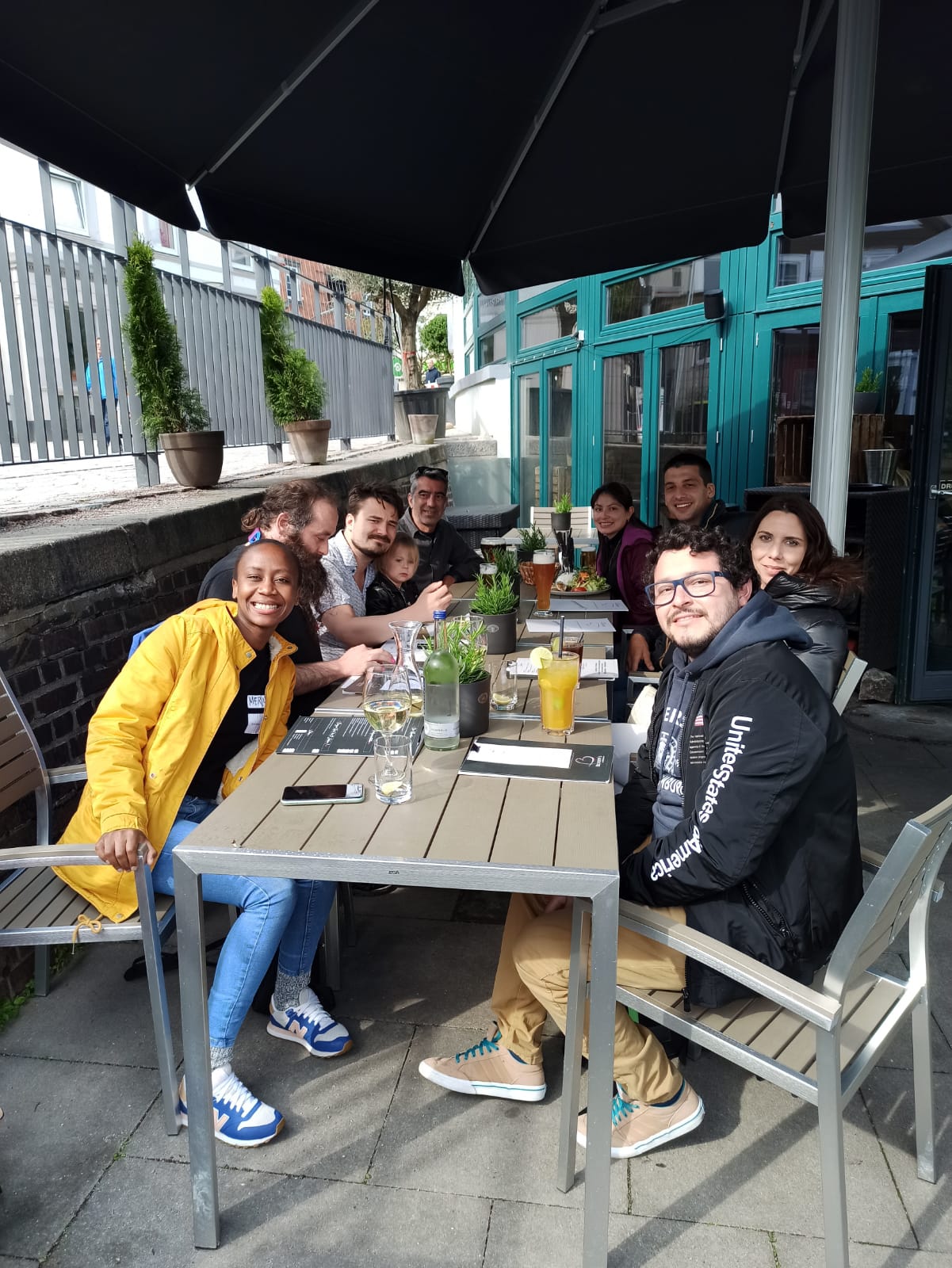
This sounds like a lot of work, but there was still enough time for socializing. Hamburg is a beautiful and vibrant city, and under the “supervision” of Koketso, Alkuin and Charikleia got an opportunity to experience some of the best of Hamburg, including a visit to the Elbphilharmonie and a “Döner-dinner” in the iconic Schanzenviertel.
By Alkuin Koenig (ESR1) and Koketso Molepo (ESR14)


Mercury speciation in the Southern Ocean
Meet the mercury team!

From the South African weather service: Casper Labuschagne, Lynwill Martin,
From the Stellenbosch Campus: Susanne Fietz, Lide Jansen van Vuuren, Kayla Buchanan, Liam Quinlan, Jared Tanner
Marseille: Lars-Eric Heimbürger-Boavida, Natalia Torres-Rodriguez, Vincent Fauvelle, Subhadeep Chowdhury
Hereon: Johannes Bieser, Corinna Schrum, David Amptmeijer
Stockholm University: Sofi Jonsson, Sonja Gindorf
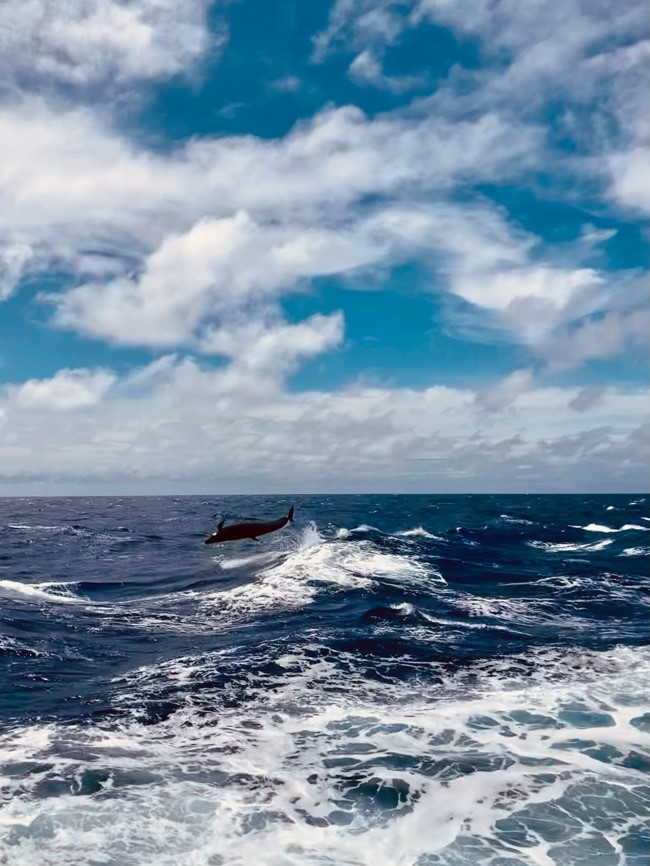
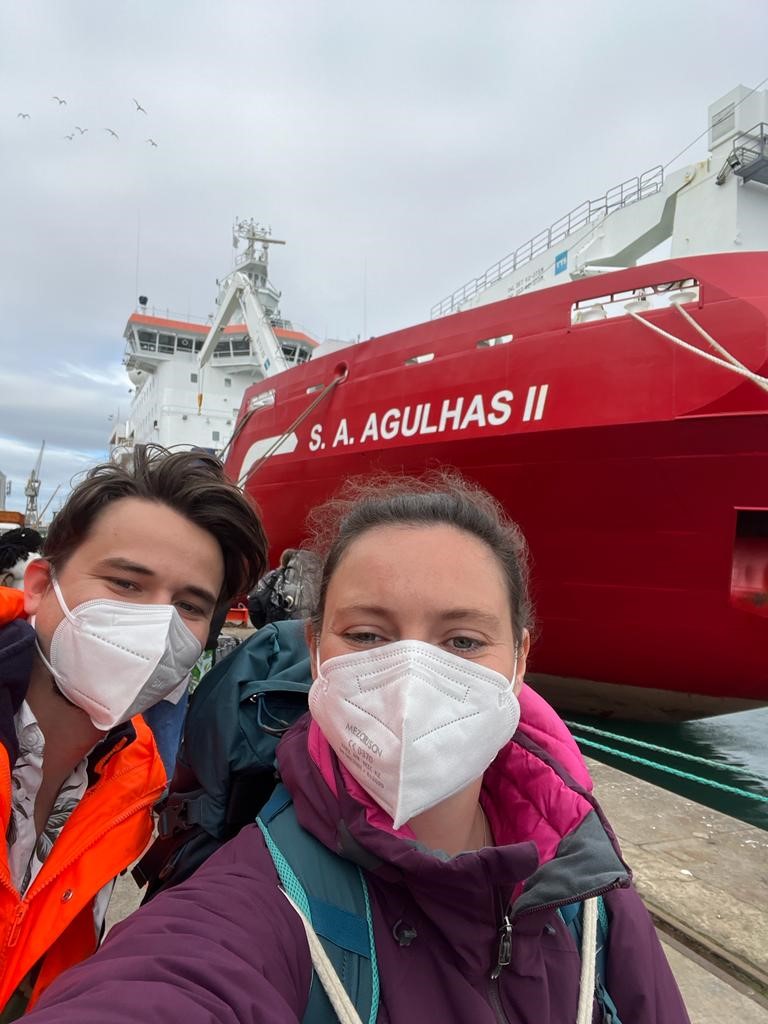
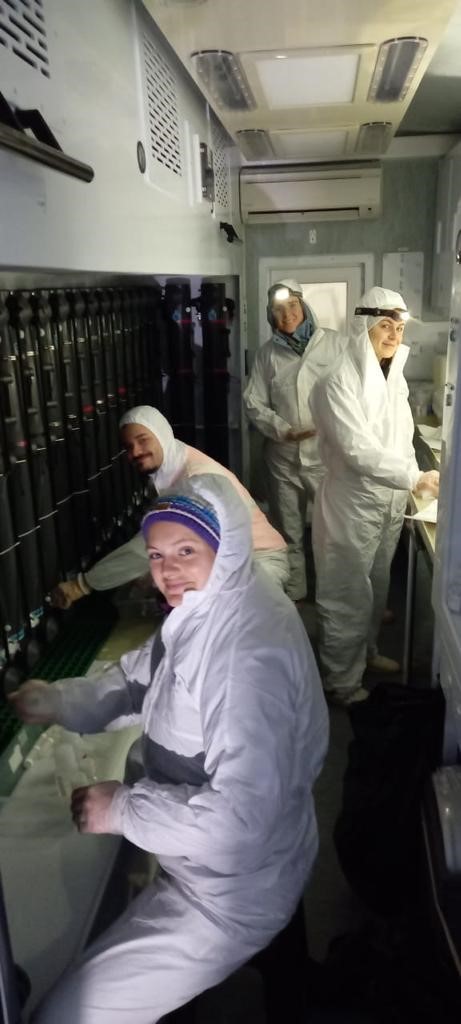
David and Sonja decided to trade in their European summer for an Antarctic winter to investigate mercury concentrations and speciation in the Southern Ocean. They joined the South African SCALE 2022 cruise to the Antarctic on board the S.A. Agalhus II, as their secondment to MIO. Under the supervision of Lars-Eric Heimbürger-Boavida, who has a collaboration through the PROTEA project with Susanne Fietz in South Africa, they boarded the icebreaker on the 11th of July. The adventurous journey led them from Cape Town to the marginal ice zone of the Antarctic. The Southern Ocean was characterized by its winter-typical stormlike 10 m waves causing a fair share of the scientific crew to become seasick. Throughout the cruise, the mercury team took over 500 samples for mercury speciation in the water column, pancake ice, snow, and slush-like frazil ice. In addition, the South African weather service continuously measured atmospheric mercury throughout the expedition. On top of this, samples for persistent organic pollutants and the genes relevant for mercury (de-) methylation were sampled from different water and ice stations. We hope that the sum of this data will help us gain a basic understanding of mercury speciation and distribution in the Southern Ocean in winter. This data will be unique as wintertime mercury concentrations are thus far unknown, in this region.
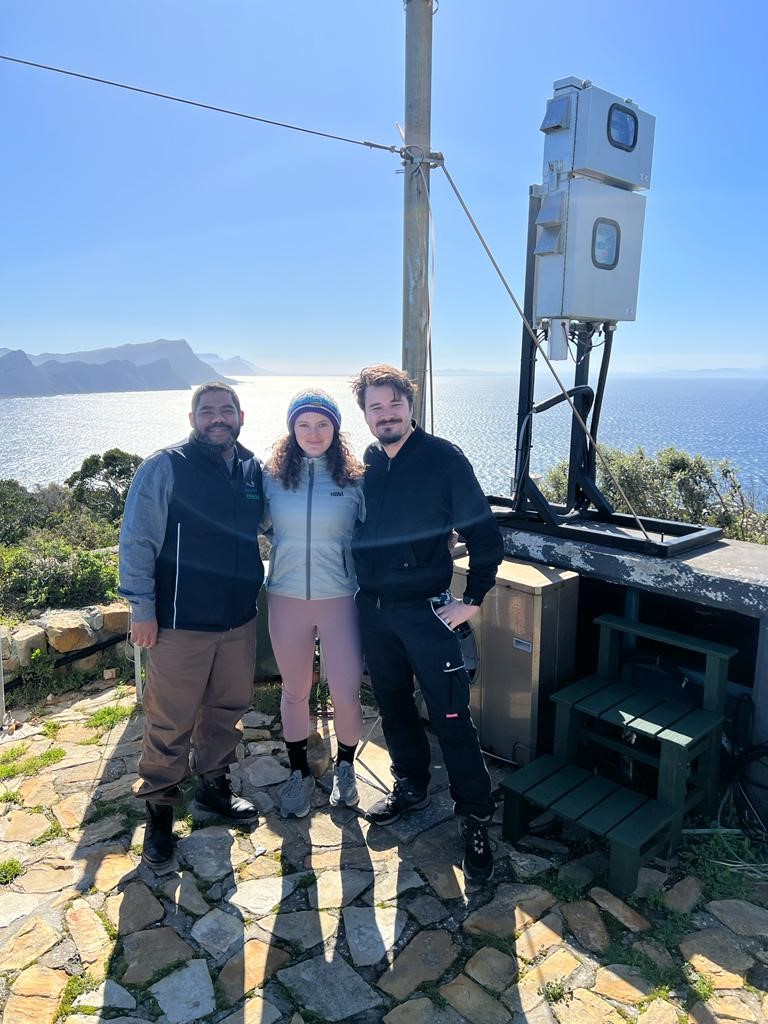
Upon re-arrival on the African continent, they were invited by the African weather service to visit the Cape Point, South Africa – Global Monitoring Laboratory. During this drive, we discussed the differences and similarities between atmospheric mercury in the Northern and Southern hemispheres. On top of the academic discussion, there was of course time to enjoy wild Ostriches, Elands, and some local delicacies.
The samples are shipped to Marseille where the analyses will happen. It will take some time before all the results are finalized but we are looking forward to sharing them with you.



Natalia - Seawater Mercury Queen
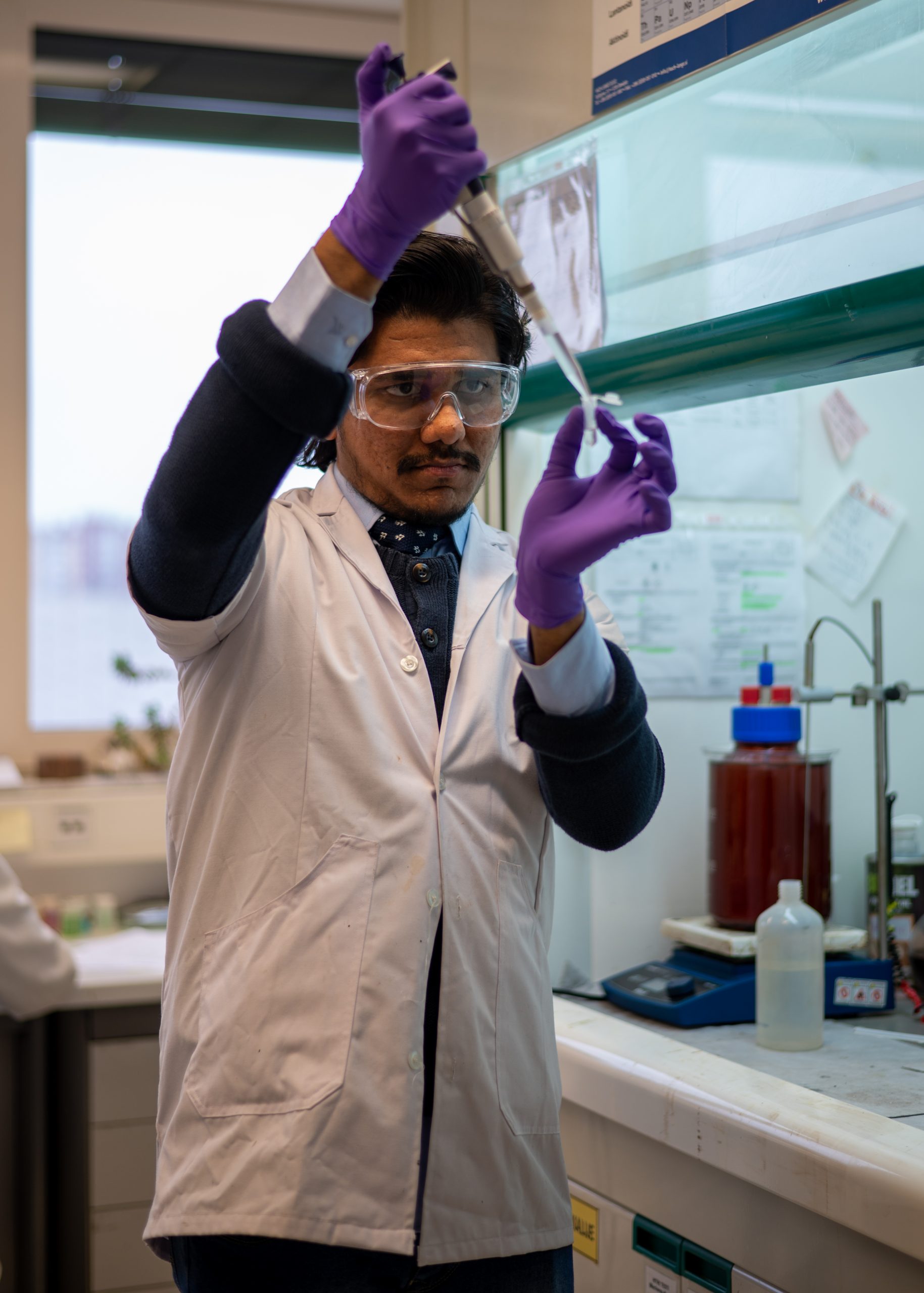
During the last year Natalia Torres Rodriguez (our ESR 4) has spent most of her time in the lab analyzing the seawater samples collected in cruises all around the world. From the Southern Indian Ocean to the Caribbean and even in the deep waters of the Mid-Atlantic ridge. With more than 2000 samples analyzed for total mercury and more than 1700 samples for methylmercury our ESR 4 has earned the title of the seawater mercury queen. With most of the datasets complete Natalia is ready to jump into the third year of the PhD, which will be focused in organizing and publishing the data. We are all looking forward to reading her manuscripts with all this exciting new mercury data!

The ABCs of methylmercury (MeHg) nanobiosensors
The development of any successful nano biosensor depends on selecting the three important components of a nano biosensor which are bioreceptor, transducer and signal output. Allwin Mabes Raj, an Early-stage researcher (ESR- 11), developed various possibilities for developing nano biosensors for MeHg detection with various combinations of bioreceptor, transducer and signal output with his supervisor, Dr Aleksandra Lobnik and Dr Aleš Lapanje, which he described as an enjoying exercise.

Before the inception of his work, he prepared a detailed review of literature using which MeHg is detected using various sensor approaches. According to this, he categorized all the previous works into six different approaches they are
- Bacterial biosensors or Whole cells biosensors (WCB),
- Immunostrip
- Small molecule probes (SMP),
- Metal-Organic Framework (MOF)
- Nanoparticles (NPs)
- Nanoarchitectonics
A schematic illustration of six different approaches for detecting MeHg is depicted in the Figure below.



Luisa is back to the lab

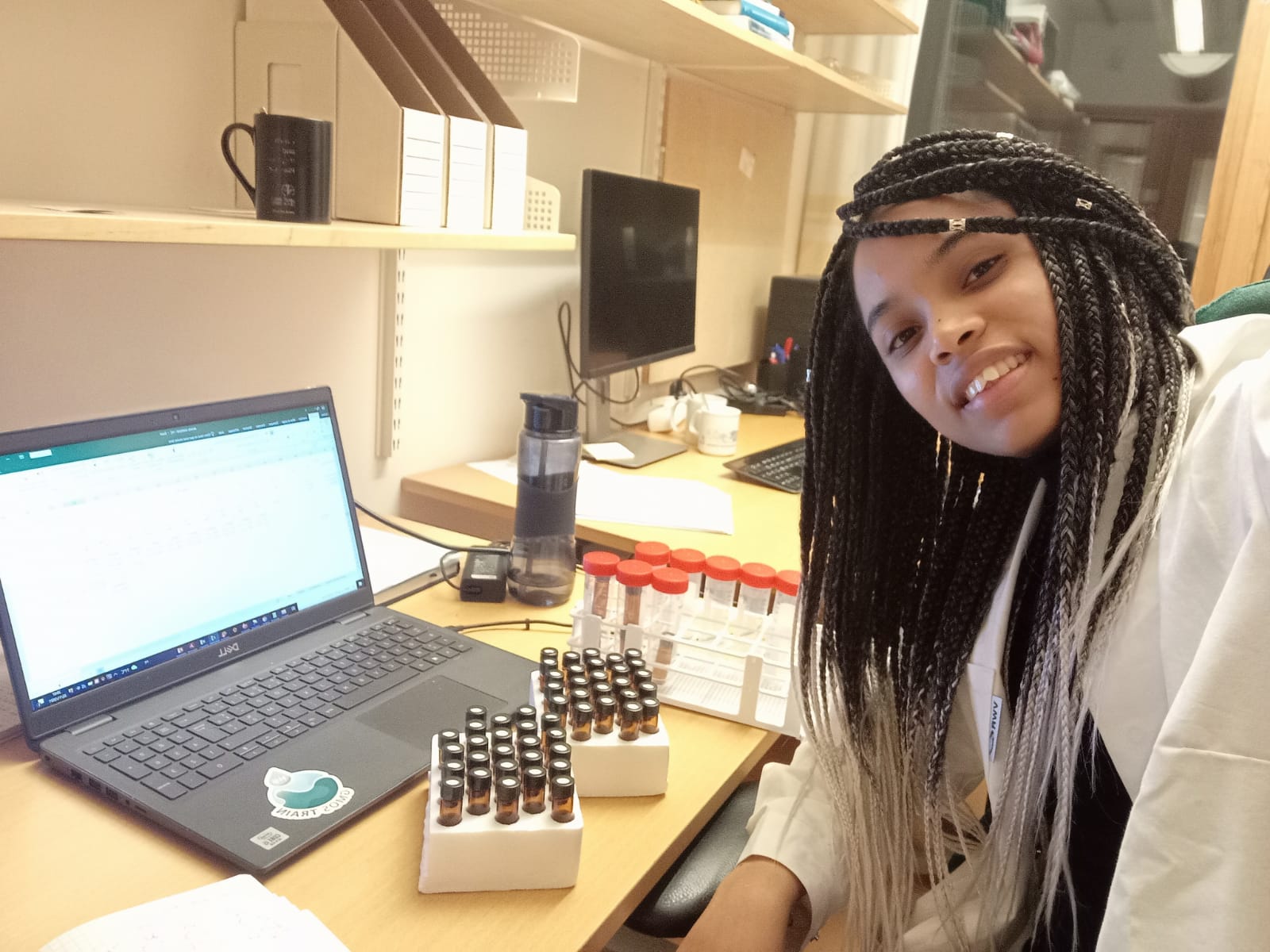
In Abisko in the north of Sweden in June 2022, a fun and interesting meeting took place with the GMOS-train project members. Luisa Malberti, the ESR#3 of GMOS, full of the joys of summer returned with fresh ideas to her usual lab activities at GET in Toulouse, France.
Her goals for this period? To finish the the isotopic measurements of C13 from the photochemical experiment samples and start writing an article about her findings!
Next on the agenda, the abiotic methylation of inorganic mercury (iHg) with methylcobalamin (MeCob) experiments. The training and experimental conditions to be studied in abiotic methylation with MeCob started at the Stockholm University (SU) in November 2021, as part of Luisa’s secondment with Sofi Jonsson (GMOS-train supervisor) and Johannes West (external GMOS PhD). Abiotic methylation constitutes the second process to be characterized from the isotopic perspective of mercury (Hg) and carbon (C) stable isotopes during her PhD. The preliminary results obtained at the SU were very promising: up to 80% of iHg was methylated and only the monomethylmercury (CH3Hg+) spicies was observed to be formed under the studied condition. She is very excited about these experiments!
At the same time but not less important, she and her supervisors started the meetings to plan and organize the secondment in Université de Pau et des Pays de l’Adour (UPPA, Pau, France) to take place this fall 2022. This secondment has as target to run experiments to observe and study the biotic methylation of iHG in collaboration with David Amouroux, Rémy Guyoneaud (GMOS-train supervisors) and Jinping Xue (external GMOS PhD).
Ohh, of course, as well as most of the members of the GMOS-train project, the ESR#3, Luisa Malberti, participated in the ICMGP 2022 with the presentation of a poster titled « Carbon and mercury stable isotope fractionation during aqueous CH3Hg+ photoreduction »


Field Campaign North of the Arctic Circle
After our GMOS Train Project Meeting, I, Charlotte Haugk (ESR 8), stayed in Abisko at the Abisko Scientific Research Station (ANS) for another week. The original plan was for Ali (ESR7) to spend some of his secondment at Stockholm University (SU) learning soils sampling techniques but unfortunately, he fell sick and could only join later to work on some samples in the lab.
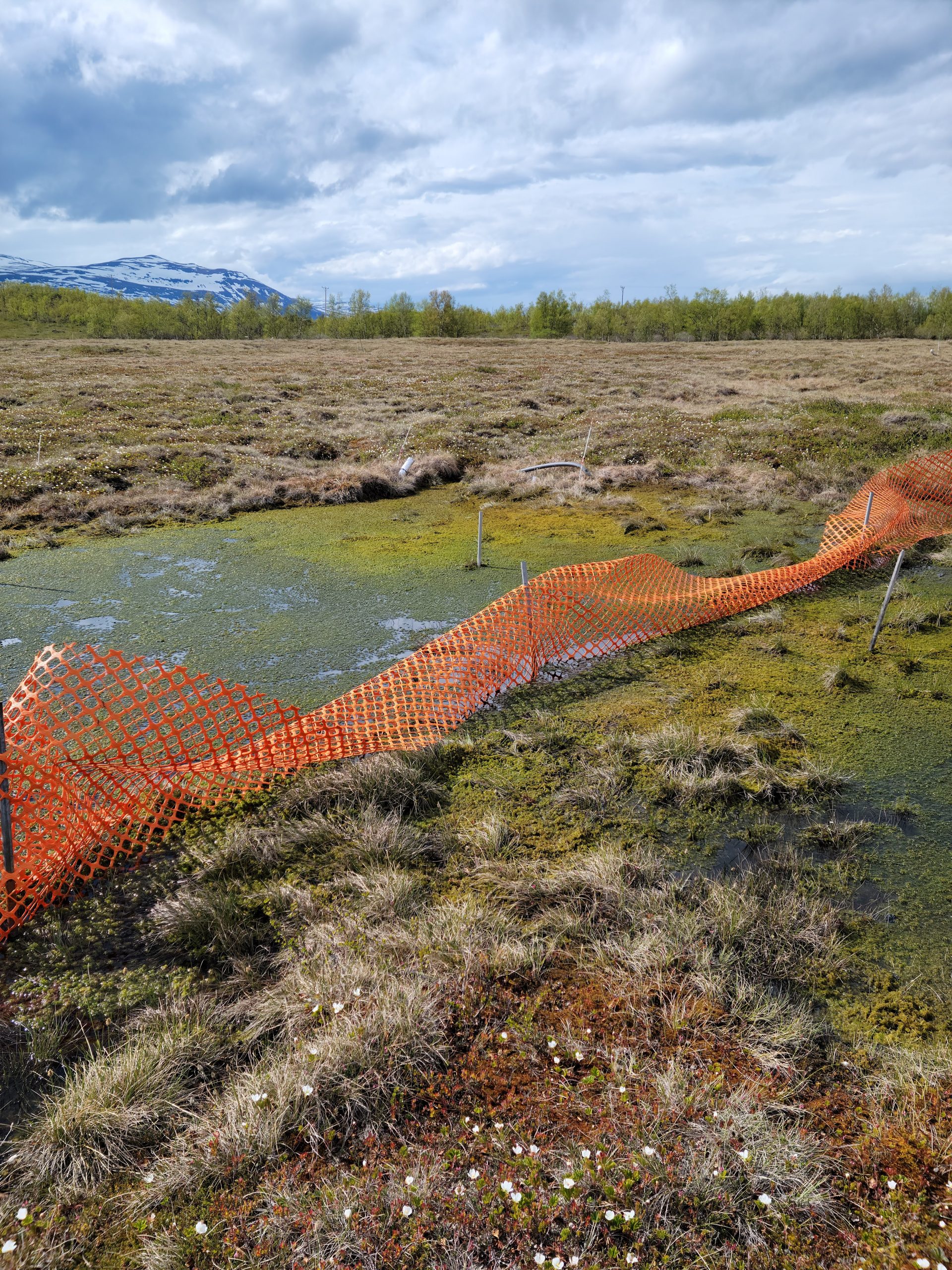
Together with guest researcher Lauren Thompson from the University of Alberta and Alyssa Azaroff, a post-doc in my group at SU, we carried out the field campaign. We spent the first 3 days in a peatland called Storflaket, just a few minutes driving away from the research station. We were fortunate to samples as part of an experimental set-up that has been started at Storflaket peatland in 2005 by Margareta Johansson (University of Lund), where snow fences have been erected (see Fig. 1) to catch the snow each winter and simulate an increase of winter precipitation. Now, we mainly cored and sampled for permafrost soil in order to determine parameters like total mercury (THg), Monomethylmercury (MeHg) and carbon and nitrogen content. Additionally, we took samples to determine microbial communities that are important for Hg methylation and water samples on those plots, that were left with a melt water pond on top of it.
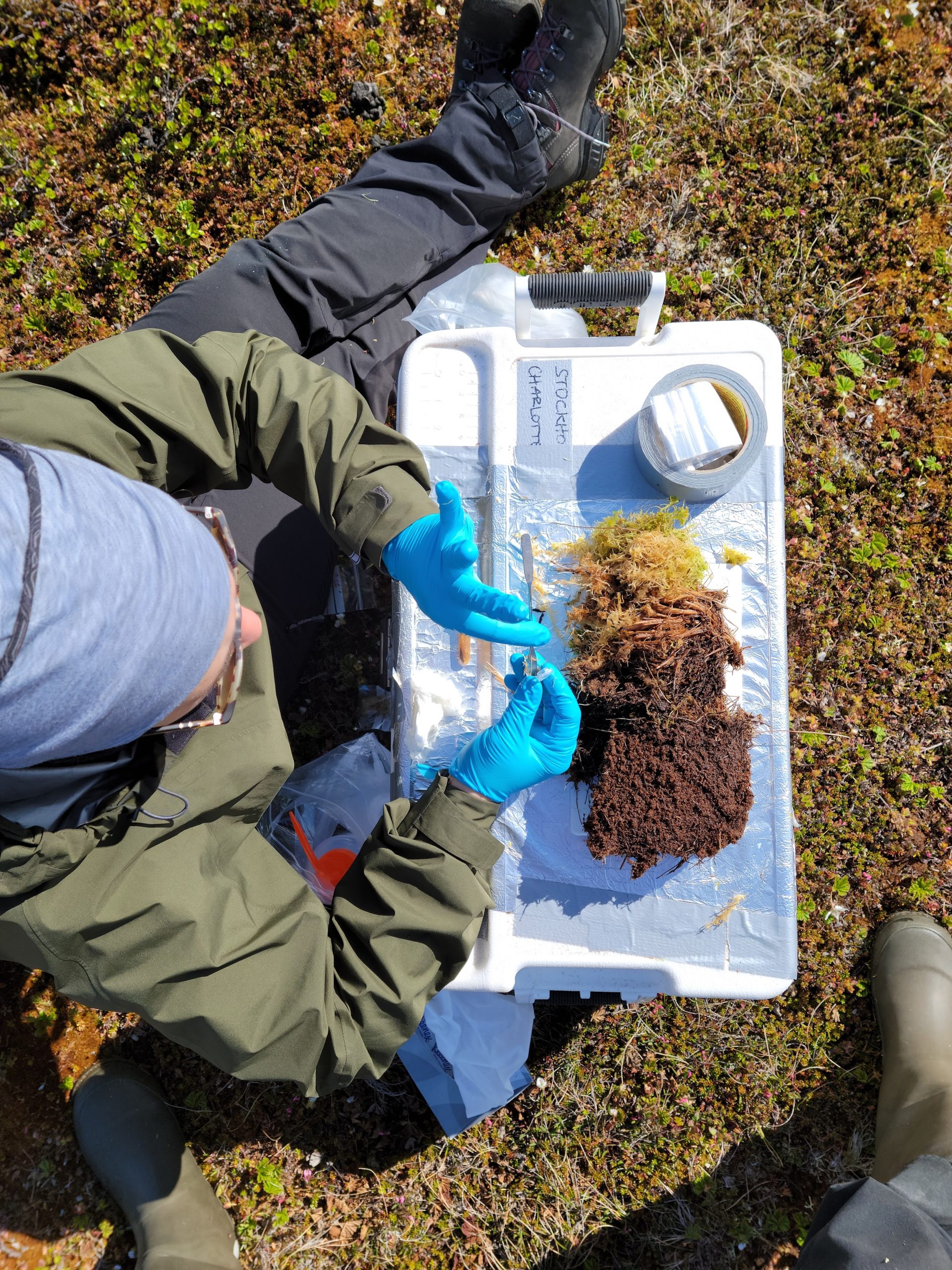
Coring permafrost is hard work! We brought heavy equipment with us including steel pipes, a sledge hammer, a peat corer and knives. To sample the active layer on top, we use a knife to cut through the peat, which goes fairly quick. For the permafrost we need the heavy equipment. We then store the peat samples in zip bags.
We first completed all fieldwork and then spent the remaining time in the lab at ANS. The main task was to incubate the peat samples we took under an oxygen-free environment and spike them with enriched Hg isotope tracers to see how the long-term manipulation of snow cover would lead to changes in the active layer depth and influences the methylation of mercury. Then we would freeze them at different time points, to see the development of Hg methylation over time, which meant we had to work efficiently, to not wake up 10 times during the night to stop incubations. Which did not go exactly according to plan, but with the midnight sun high up in the sky, it wasn’t hard to stay awake.
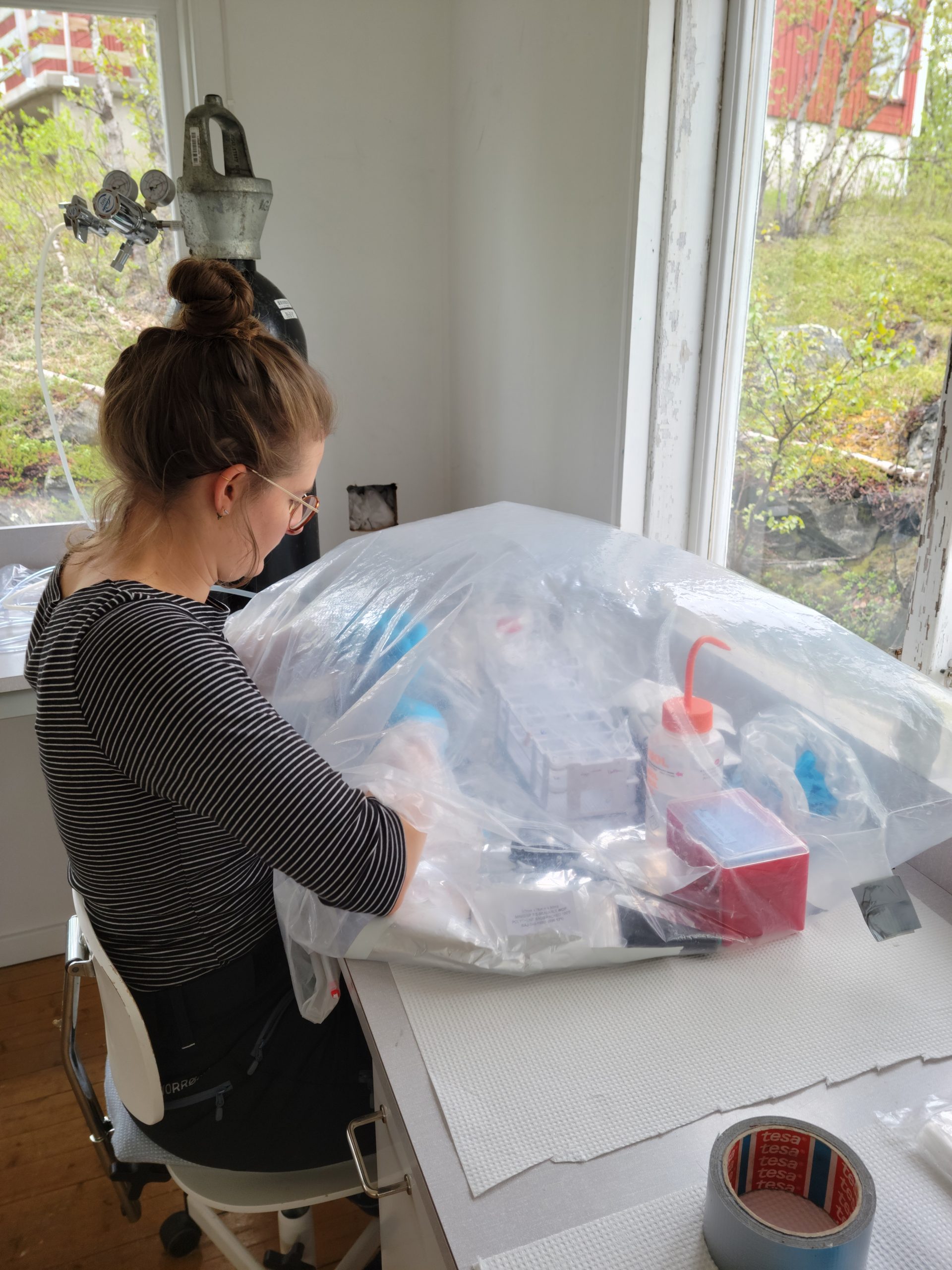
We divided up tasks: I was at the glove bag at all times (Fig. 2), and Lauren and Alyssa assisted and helped me a lot with labelling and weighting samples and with carrying samples back and forth from the lab to the cooling room. Thank you, team!!
In September we will to the same plots at Storflaket again to get a seasonal picture of the climate scenario field experiment.


Mercury sorption and uptake experiments at IFREMER
By Isabel García Arévalo & Sonja Gindorf

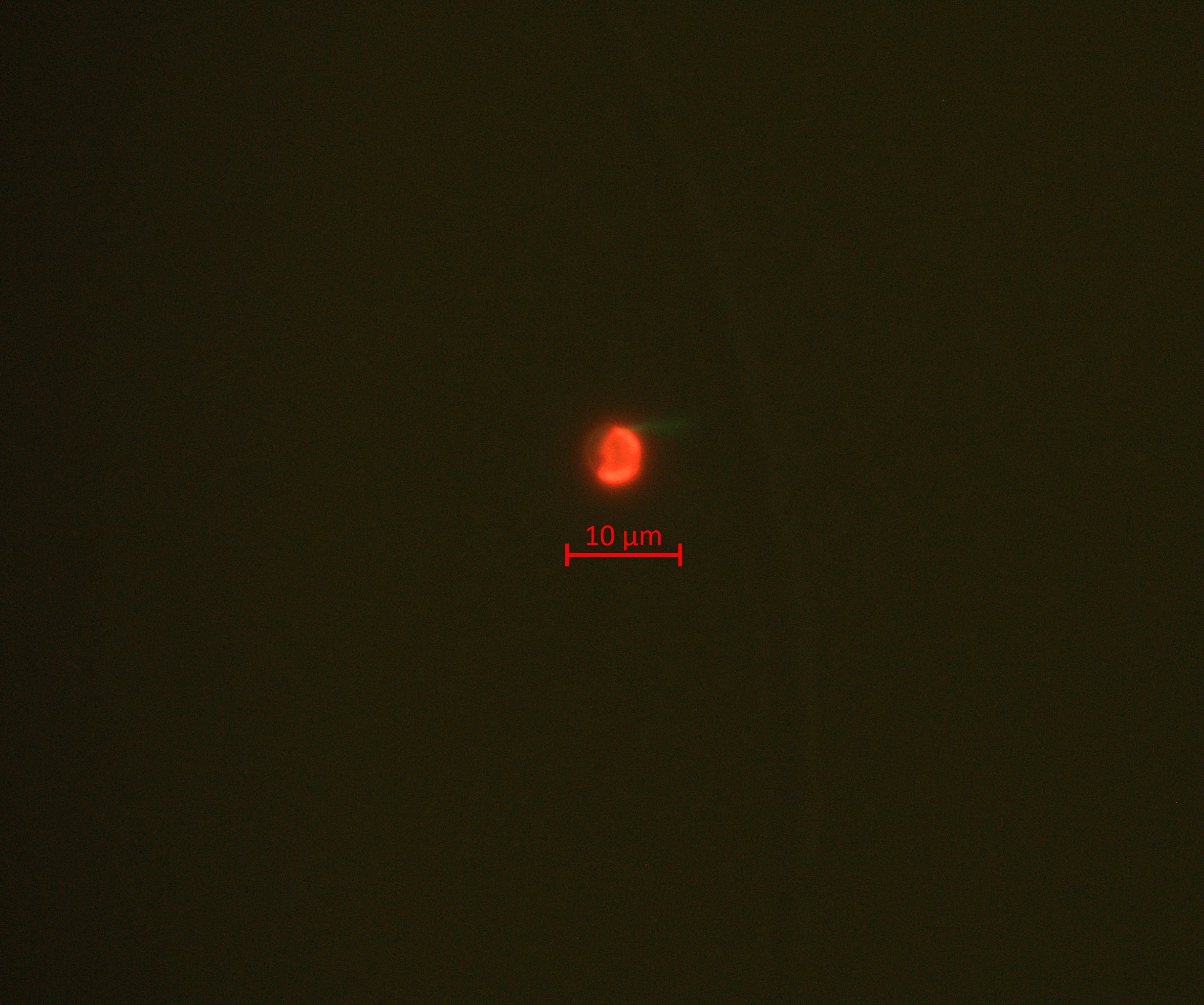
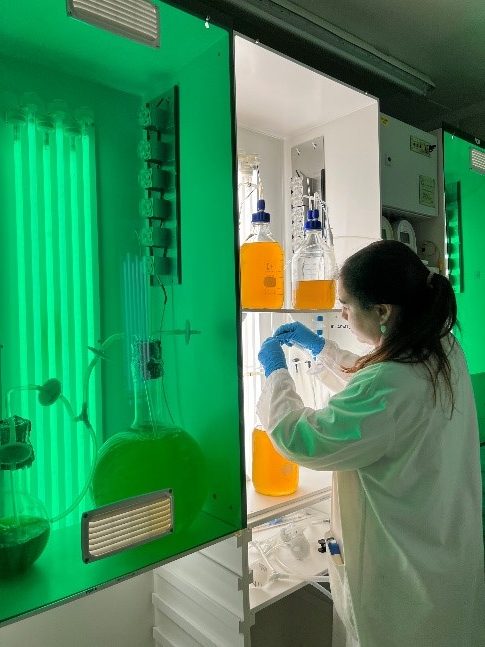
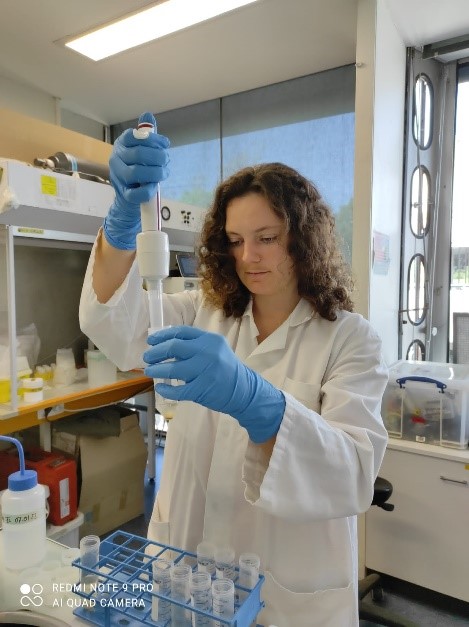
During the first semester of 2022, Isabel (ESR6) worked on 8 experiments of Hg species uptake and sorption by living particles in collaboration with a Master student and later on with Sonja (ESR 7) who joined for her secondment. These time-course experiments were focused on studying iHg and MMHg species sorption and uptake, as a factor of time and dissolved organic matter exposure, by a model species of marine microalgae. The axenic cultures of Tisochrysis lutea (T-iso) along with the experimental set-up were carried out in the facilities of PhyTox laboratory, while all the Hg pertinent analysis were carried out in the laboratory of CCEM, both at Ifremer Nantes.
In April, ESR 7 Sonja joined the laboratory work for a four-week secondment. During the first week of her stay the ESRs ran a MMHg uptake experiment together and studied the time-course ad- and absorption of MMHg by microalgae cells. For the rest of Sonja’s stay they focused on how dissolved organic matter (DOM) composition (terrestrial vs. marine) and concentration affect the MMHg uptake of T-iso using isotopically labelled MMHg tracers. The samples are now awaiting to be shipped to Stockholm University. In fall, Isabel will spend her secondment at Stockholm University and the two girls will perform the analysis together.

Secondment to MIO - Mercury in the South Pacific Ocean
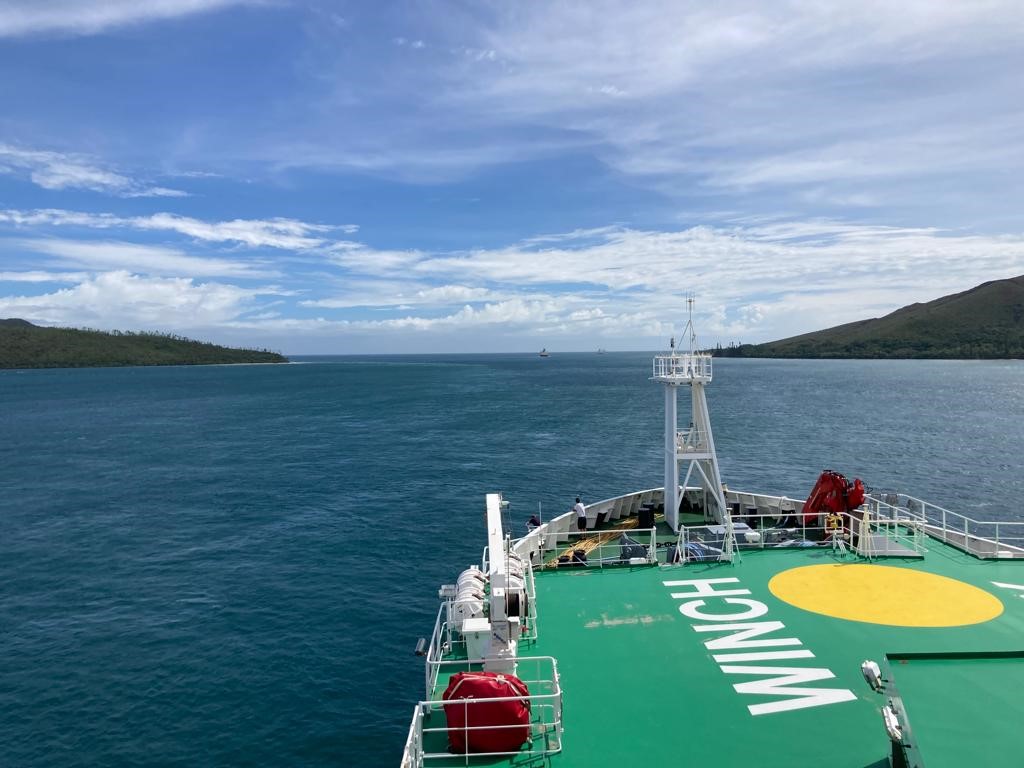
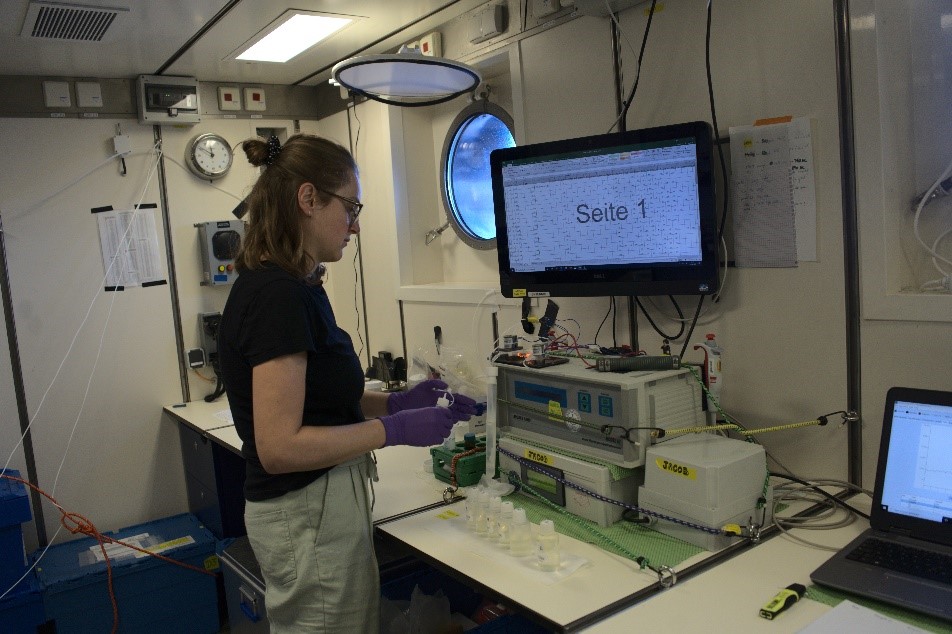
Earlier this year I (ESR 5, Alina) spent my secondment to the Mediterranean Institute of Oceanography (MIO) on a GEOTRACES cruise crossing the South Pacific Ocean (SO 289)! More than 30 scientists were on board RV Sonne investigating biogeochemical cycling of trace metals in the marine environment. We spend almost two months at sea sampling more than 40 profiles, to provide high resolution full water column observations on Hg speciation. I was performing onboard measurements for total mercury and dissolved gaseous mercury and incubation experiments using species-specific enriched isotopes. It was the first time on such a big ship and doing onboard measurements.
Our cruise started in Valparaiso, Chile, and led us to New Caledonia crossing many interesting features such as the productive upwelling/ oxygen minimum zone off Chile and the East Pacific rise.

Since I am used to working in the coastal environment, where I am applying similar methods under very different conditions, everything was new and interesting. My experience on the ship was great, as was working with so many other passionate scientists from different fields. I am very happy to have had the opportunity to participate. It helped me to extend my horizon and was an excellent learning experience. If you are interested to read more about the work on Hg on the cruise I recommend the “Ocean blog” which has been released during the cruise. It can be found here: https://www.oceanblogs.org/geotraces/2022/04/04/mercury-in-the-south-pacific-ocean/