

Aix-Marseille University's second European Conference
| We are pleased to invite you to join Aix-Marseille University's second European Conference, to be held on Wednesday 16 June 2021 at the European Committee of the Regions (J. Delors Building, rue Belliard 99-101, 1040 Brussels, Belgium).
As one of the first contributions to the 2021-2030 United Nations Decade of Ocean Science for Sustainable Development, the European Conference will take place the week following the 2021 World Oceans Day, at a time when global ocean governance is at a critical juncture. • How can the European Union rely on the latest scientific developments and oceanographic data to help achieve ambitious goals in intergovernmental negotiations? By bringing together leading scientists, European policy makers, key players in ocean governance and representatives of civil society, the event will nurture discussions at the frontier between science and technology, bridging scientific progress to policy actions and advances in ocean literacy.
For more information click here. |


2 postdocs in Hg bigeochemistry
The Department of Chemistry at Umeå University is hiring two postdoc for a research projects, one with the focus on the formation of methylmercury in contaminated sediments and one with the focus on the spread of methylmercury from contaminated sediments. The employment is full-time for two years with starting date 1 June 2021, or by agreement. Last day to apply is 8 March, 2021.
More info here.

GMOS-Train Webinar: »Research Integrity« by Prof. Abhay Pandit
GMOS-Train Webinar: »Research Integrity« by Prof. Abhay Pandit
Welcome to join us via ZOOM on Monday, February 22nd at 2:00 PM (CET):
Join Zoom Meeting: https://us02web.zoom.us/j/87698099683
Meeting ID: 876 9809 9683
Find your local number: https://us02web.zoom.us/u/keC5wJi10E
Prof. Abhay Pandit. Established Professor of Biomaterials at the National University of Ireland, Galway, is Director of the Centre for Research in Medical Devices (CÚRAM), a multi-disciplinary academic-industry-clinician translational research centre.
Prior to joining NUI Galway, Prof Pandit's research at The Kendall Company resulted in a patent and FDA approval for a commercial wound dressing. He has received FDA 510k approval for a hydrophilic wound dressing. He led the Biomaterials Research Group at Surgical Sealants, Inc. where he received IDE approval for a collagen-based vascular sealant. At NUI Galway, Prof Pandit has validated the efficacy of a fibrin scaffold to spatiotemporally deliver multiple biomolecules to reduce inflammation and enhance wound closure in a pre-clinical model of compromised diabetic wound healing. He has also demonstrated the efficacy of a cell seeded collagen scaffold to significantly enhance the percentage wound closure of full thickness cutaneous ulcers. He has published over 225 papers in peer reviewed journals. He is a Fellow of the Tissue Engineering and Regenerative International Society and an International Fellow in Biomaterials Science and Engineering. More: http://www.nuigalway.ie/ariw/alliancesteeringcommittee/profabhaypandit/ .
The Research Integrity webinar will cover the following topics:
- The importance of responsible behaviour as a fundamental component of quality research to ensure that our research leaders of the future will be upstanding, responsible scientists and mentors.
- The basic fact of reputation – we need to ensure that the quality of our work is maintained so that our partners and peers can rely on any data or other research outputs to the benefit of both society and the economy.
GMOS-Train Webinar_Research Integrity_Invitation
Attendance at webinar is obligatory for all ESRs.

Mercury pollution is a globally relevant issue
Global Mercury Observation Training Network … in connection to the UNEP Minamata Convention
Jožef Stefan Institute, Ljubljana
The long-waited kick-off meeting of three-year GMOS-Train project was held on December 7-8 virtually via online zoom meeting, which recorded participation from numerous stakeholders of the project. GMOS-Train features strong inter-sectorial collaboration involving academic and non-academic partners, NGOs and international organisations. 15 early stage researchers (ESRs) hails from different parts of the world will be working on different projects in GMOS- Train work packages under expert supervision, leading to their Ph.D. degree from well renowned higher education institutions in Europe.

Mercury is a ubiquitous toxic element present in our environment which is emanated from various anthropogenic sources as well as natural sources. Its toxicity depends on the type present in the system, and the most toxic form is methyl mercury having a great potential to bioaccumulate in higher organisms. UNEP Minamata convention aims to protect human health and environment from mercury and their harmful compounds. Considering the toxicity, complex biogeochemical cycle of mercury transformations and its global transportation within different environmental compartments, mercury research has gained more attention on outputs for the best implementation of this convention. Now a days, efforts are made in developing multimedia models to address this complexity in order to ascertain the feasibility of environmental policy scenarios. However, years of mercury research still lack answers to the foremost essential questions concerning the basic Hg changes and fluxes where its accurate description form the basis of these models to work. Therefore, GMOS-Train was created as a network-based, highly interdisciplinary training program to better understand the global exchange of mercury between different spheres of earth system such as atmosphere, lithosphere, hydrosphere, and biosphere to fill key knowledge gaps in current understanding of biogeochemical mercury cycle. It includes training in atmospheric chemistry and physics, aquatic chemistry, ecology, analytical chemistry, multimedia modelling, and complimentary training in dissemination using open science principles, communication, exploitation and outreach that ensures the use of science results in effective policy making.
GMOS-Train is funded by the European Union’s Horizon 2020 research and innovation programme under the Marie Sklodowska-Curie grant agreement no. 860497. Your queries can be directed to the GMOS-Train project coordinator Prof. Dr. Milena Horvat (milena.horvat@ijs.si), Head of Department of Environmental Sciences, Jožef Stefan Institute. Further informations regarding this project, work packages, management structure, researchers, supervisors, advisory board members, deliverables etc. can be found from the official website https://www.gmos-train.eu/.
by Sreekanth Nair Vijayakumaran
Hg Sessions on the Program of Goldschmidt 2021
Goldschmidt is the foremost annual, international conference on geochemistry and related subjects, organized by the European Association of Geochemistry and the Geochemical Society.
One of the Themes on the Program will also be about Environmental Geochemistry and Human Health, which will include the session titled Towards a better understanding of mercury dynamics within and between land, atmosphere, and ocean systems to support the effectiveness evaluation of the Minamata Convention.
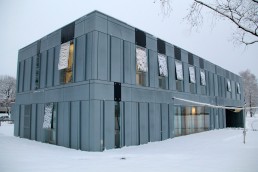
GMOS-Train Firsts
Recently GMOS-Train had a lot of firsts. We sent out our first official hello, had first public presentation of 15 new ESRs and the first 2-day virtual meeting.
Now we can say we are all set and ready to work towards project's goals!


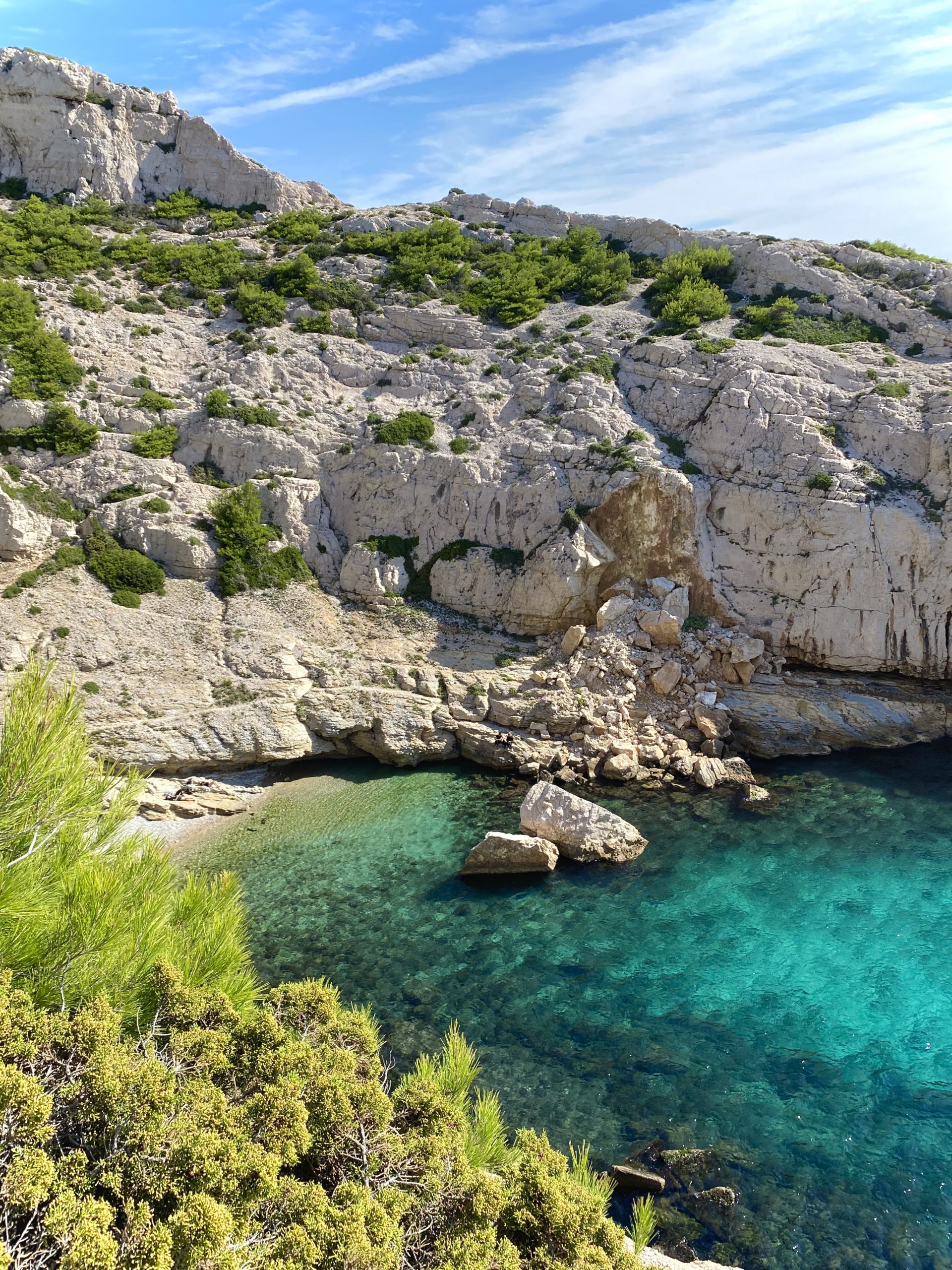
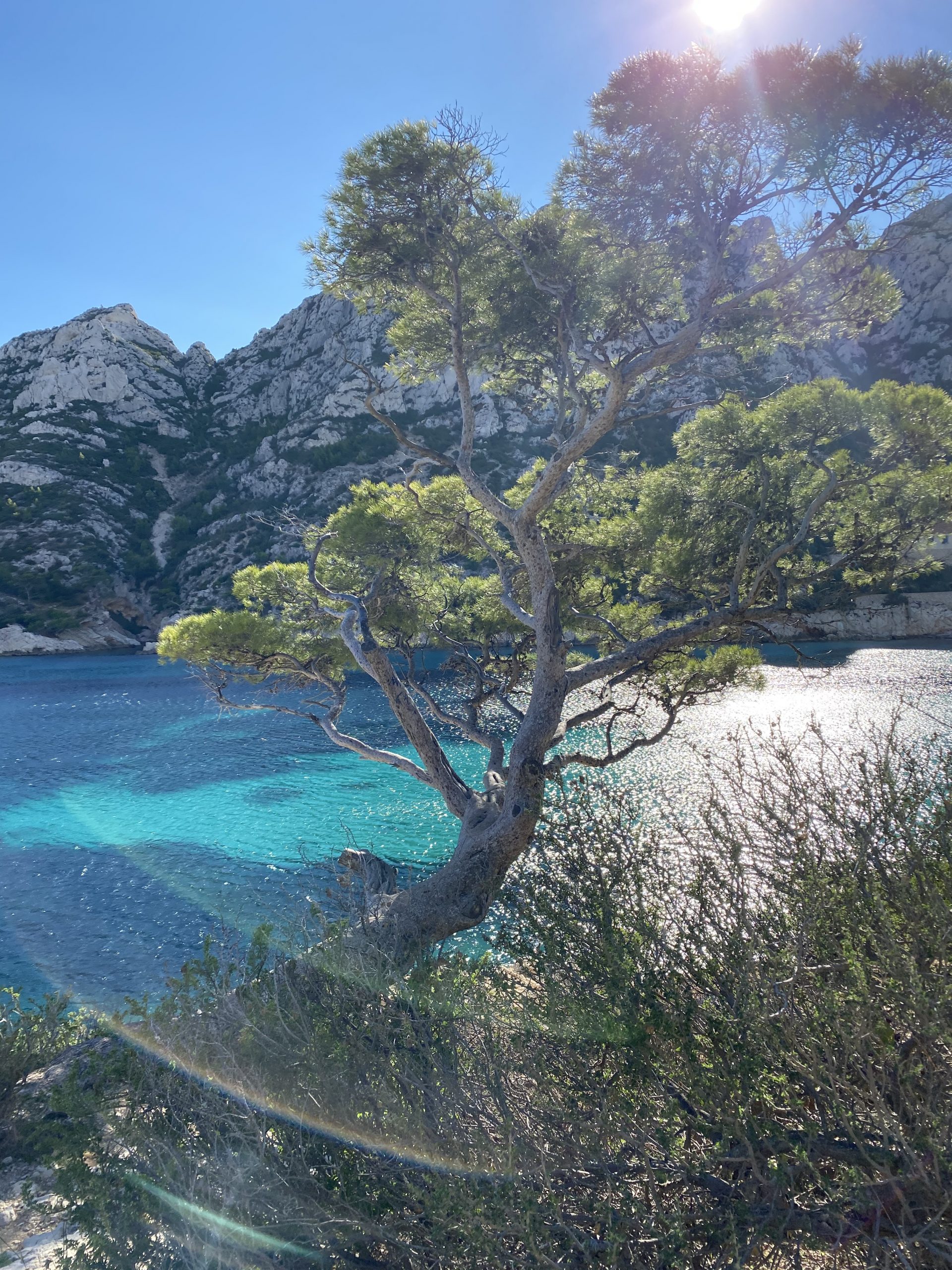
First training at the Mediterranean Institute for Oceanography in Marseille
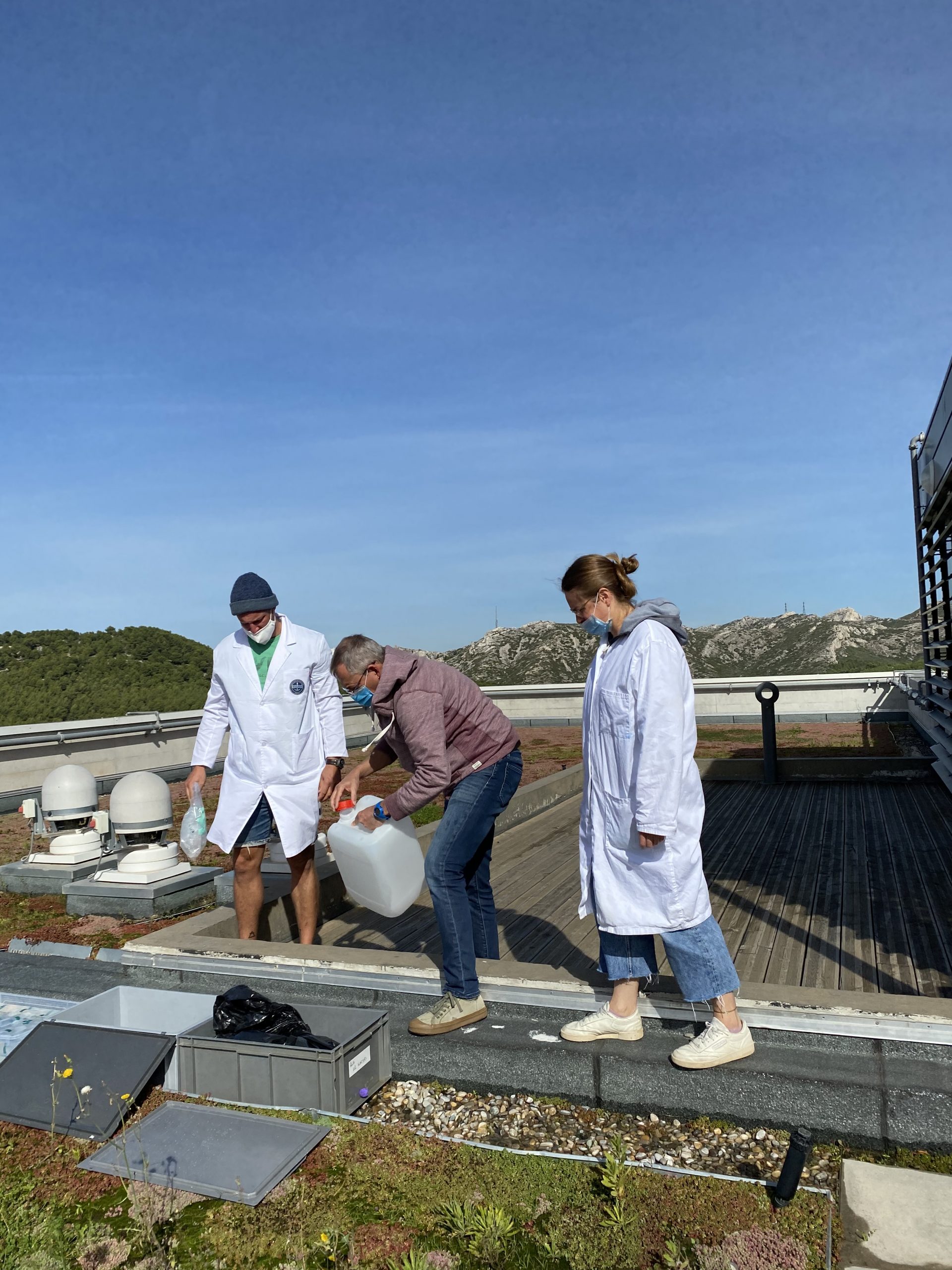
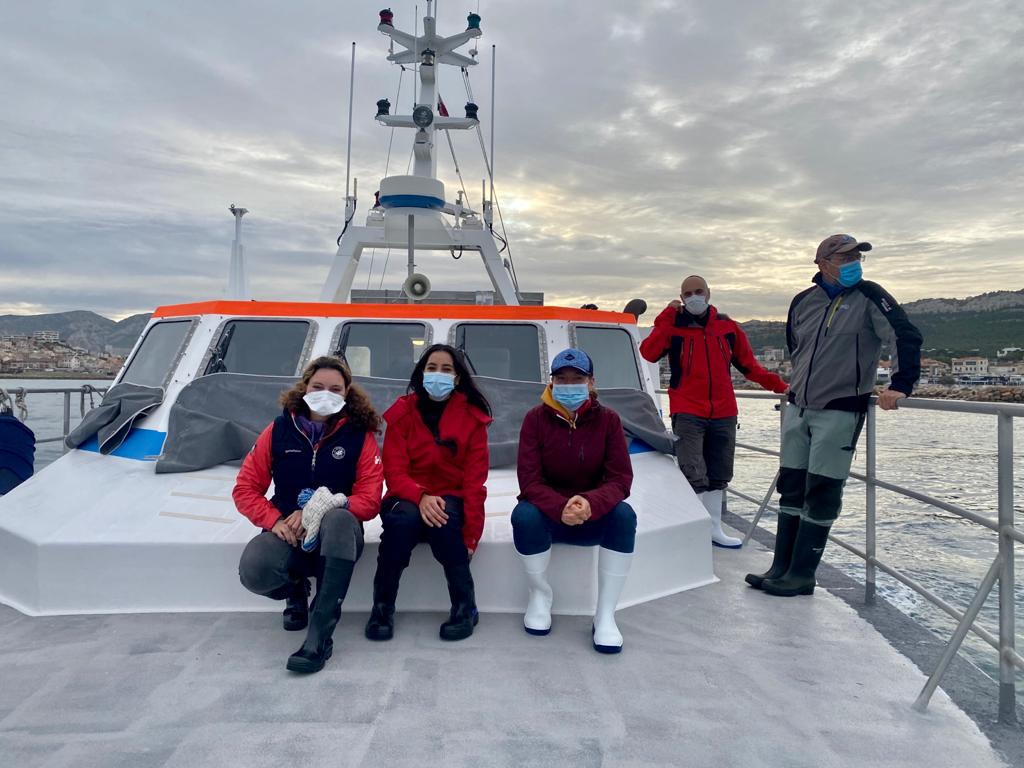
From the 5th to 10th of October our first training within the GMOS Project took place at the Mediterranean Institute for Oceanography (MIO) in Marseille (France). The objectives of the first training were to compare sampling strategies, sample treatment and to improve the inter-comparability of mercury (Hg) species measurements. The total Hg, dissolved gaseous Hg (DGM), and methylmercury species on coastal and open water samples were assessed using different methodologies. Despite the COVID-19 situation, some of the freshly started ESR PhD students Alina Kleindienst (UPPA, ESR 5), Natalia Torres Rodriguez (MIO/AMU, ESR 4) and Sonja Gindorf (SU ESR, 7) were introduced to the world of marine mercury by Lars-Eric Heimbürger-Boavida (CNRS/MIO), David Amouroux (UPPA), Emmanuel Tessier (UPPA) and Jeroen Sonke (CNRS/GET).
After a short theoretical introduction, the researchers spent the Monday at the coastal research station Endoume getting a first hands-on impression of the sample collection and preservation. The SSL@MM at Endoume, the Seawater Sensing Lab @ MIO Marseille, is a new facility continuously providing sea water in the laboratory from an intake at the end of the pier extending 50 m into the sea. On Tuesday the group set out for a day cruise on board the R/V Antédon II. About 1 hour sailing from the Pointe Rouge harbor in Marseille, sea water samples were collected from 10 different depths at our first marine research station “GMOS_Med_Sea_01” using a rosette frame equipped with a CTD and 10 trace metal clean OTE bottles. “Despite some seasickness and corona restrictions, the day was full of fun and success and I am very happy with all I have learned”, says Sonja.
The rest of the week was spent at MIO to introduce the ESRs to marine Hg speciation analysis including sample preservation/preparation and analysis of total Hg and DGM via a custom-made purge and trap system coupled to a cold vapor atomic fluorescence spectrometry. Methylated Hg species were analyzed via species specific isotope dilution gas chromatography sector field inductively coupled plasma mass spectrometry (SS-ID-GC-SF-ICP-MS). Additionally, the first set of incubation experiments with isotopically labeled Hg species were conducted by our ESRs. Besides gaining practical experience, the days were full of lively discussions and curiosity.
Recapturing the happenings, Alina says: “My highlight of the week was definitively the sampling on board of the research vessel since it has been my first cruise. It was great to get the first hands-on experience so early in the PhD and to get to know members of the GMOS-Train project.”
Alina, Natalia and Sonja are now working on the data and looking forward to sharing the first results during the kick-off meeting in December. “I would say that GMOS-Train is about international cooperation and teamwork. This time we had people from five different countries, so for me, one of the best parts was hearing everyone practicing their second languages. All week we heard conversations in German, Spanish, French, English. I am definitely looking forward to meeting the rest of the researches that are part of this beautiful project!”, says Natalia.





By Sonja Gindorf, Natalia Torres Rodriguez & Alina Kleindienst

A week of arctic fieldwork in northern Sweden
On the 3rd of October we arrived in Abisko in northern Sweden, where we spent a week of fieldwork just two weeks after I started my PhD with the GMOS Train project. Abisko Naturvetenskapliga Station (ANS), is a scientific field research station managed by the Swedish Polar Research Secretariat and perfectly equipped and positioned to perform investigations in the surrounding environment. The main focus of our trip was to investigate mercury dynamics in thawing permafrost as part of WP3 of the GMOS Train project.
Northern permafrost soils store large amounts of mercury which is vulnerable to release as permafrost thaws over the next century. As part of the GMOS Train project, we particularly want to understand the mobility and transformation processes of terrestrial mercury that can emerge from thawing permafrost.
Under the supervision and coordination of Sofi Jonsson from the ACES group at Stockholm University, we took a transect of peat cores from peat upland through a pond at “Mellanflaket”. Here, we aim to determine mercury dynamics connected to the thaw gradient (Figure 1). Further, we took water samples from the same pond and surrounding water bodies, filtered them, measured active layer depths (Figure 2) and generally spent long evenings in the lab facilities at ANS preparing everything for transport. Another important part of my stay in Abisko was the start of an incubation experiment to identify potential methylation rates of mercury from arctic soils. For that, I added tracers of 199Hg and 201MeHg to selected samples in an oxygen free environment (Figure 3).
Now, sitting on the night train back to Stockholm, I am still dreaming of fall colored peat, birch forests and northern lights.

Figure 1: One of the ponds we sampled water from at Melanflaket. (picture: Charlotte Haugk)


Figure 2: Charlotte cutting peat (left) and filtering water in the evening light (right). (picture: Carluvy Baptista, Charlotte Haugk)

Figure 3: Charlotte working on samples inside the glove box. (picture: Carluvy Baptista)
by Charlotte Haugk

Virtual kick-off meeting
GMOS-Train is very well prepared to start it’s long awaited Kick-off meeting, which is going to happen virtually between 7. 12. and 8. 12. 2020.
More detailed info about the programme can be found here: GMOS_Train_Kick-off meeting program
GMOS-Train is excited to meet you!
GMOS-Train COP3 presentation
The project coordinator presented the GMOS-Train at the meeting “Conference of Parties (COP3) to the Minamata Convention on the 27th November at the special event dedicated to mercury Science http://mercuryconvention.org/Meetings/COP3/SideEventsKnowledgeLabs/tabid/8163/language/en-US/Default.aspx
The COP meetings are very important events where the Contracting Parties to the Minamata Convention discuss all the issues related to the implementation of Articles of the Convention and issues arising from the different areas around the globe. The website offers latest reports of interest http://www.mercuryconvention.org/
One of the important conclusions from the Science session was that the global mercury science is overrepresented in the Northern hemisphere and that we need centers of science excellent more evenly distributed around the globe with the key building blocks: Manage, Build, Train and Share.
UNEP is a Partner in the GMOS-Train and will be responsible for training ESRs on the policy dimension of the research and the Minamata Convention.
It is planned that the GMOS-Train will have a special session at COP4 in Bali, Indonesia.
