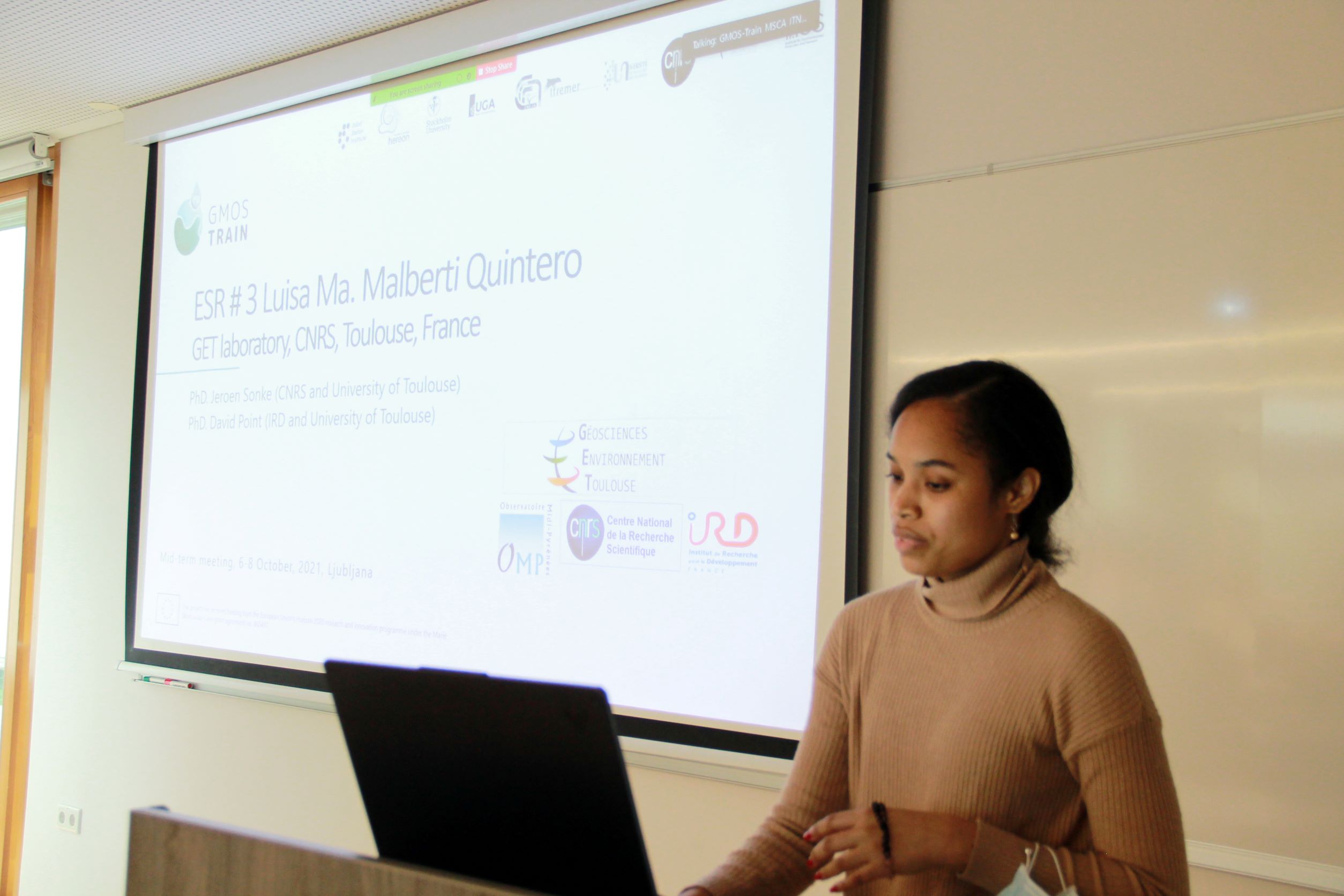
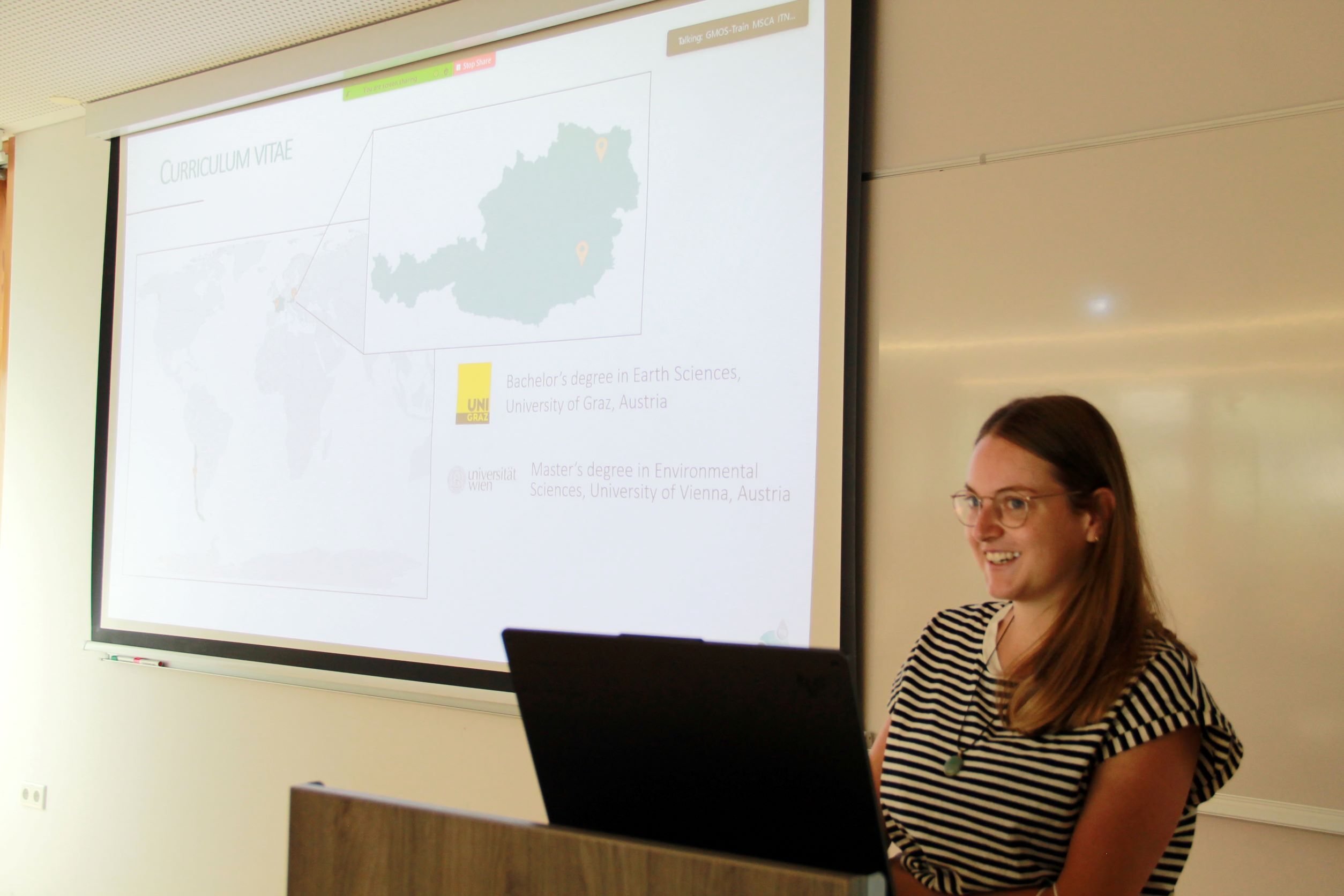
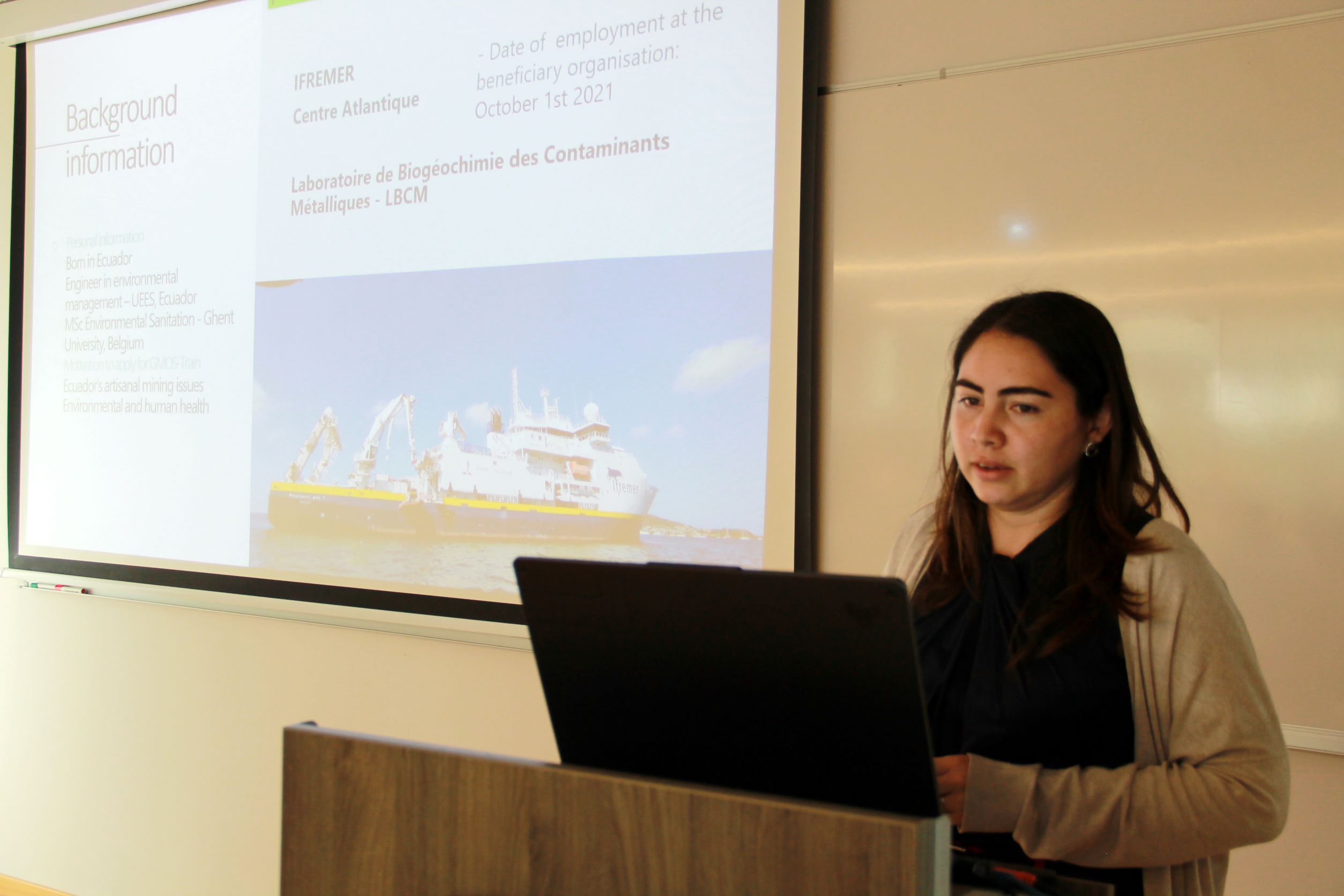
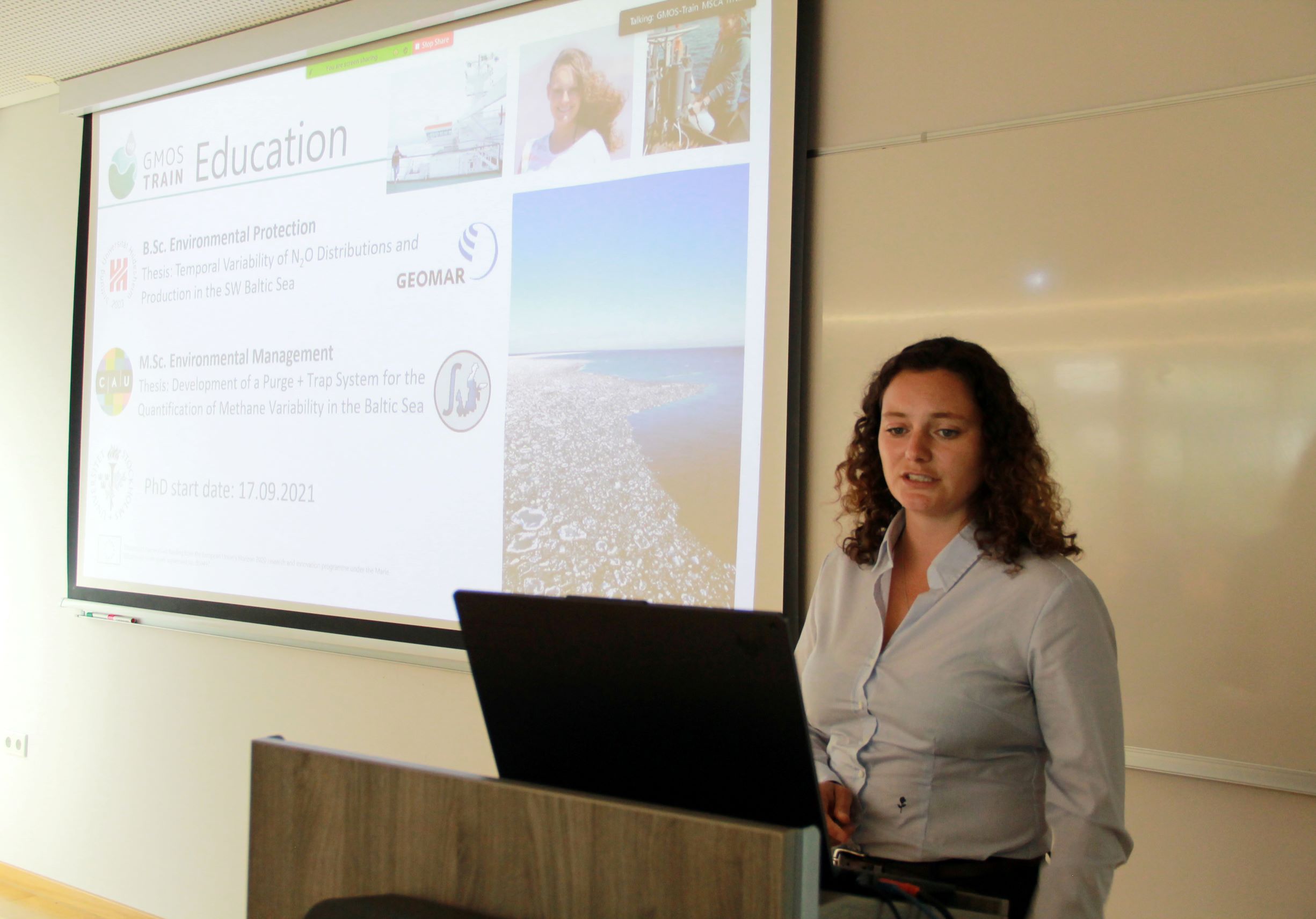
Secondment to MIO - Mercury in the South Pacific Ocean
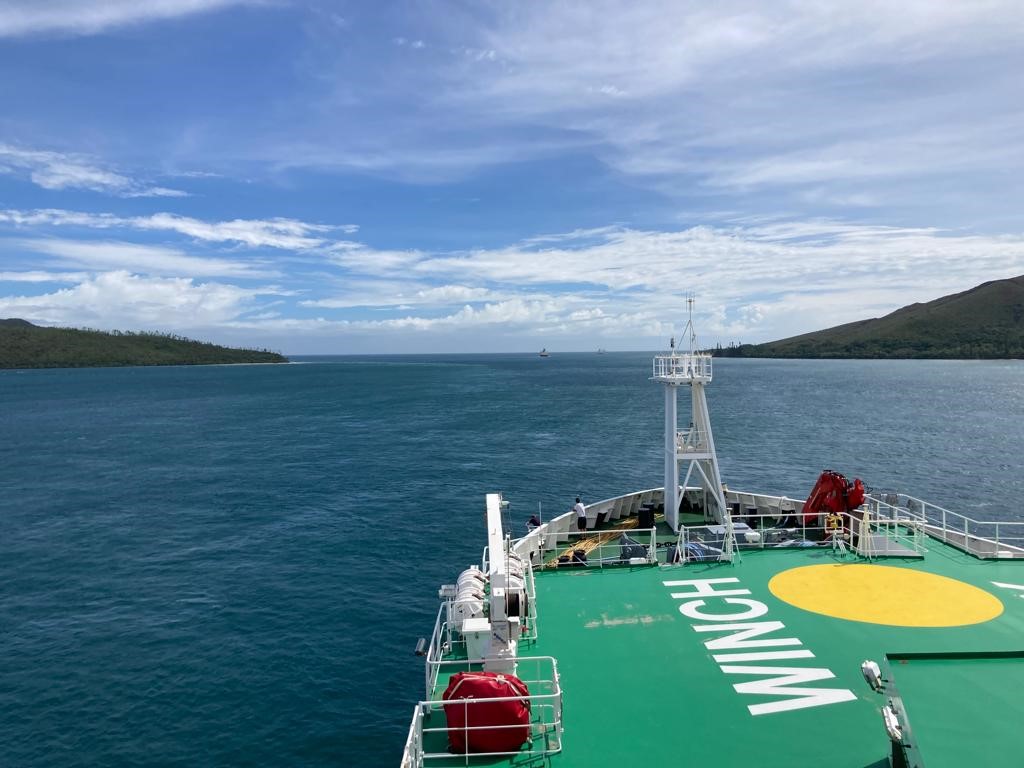
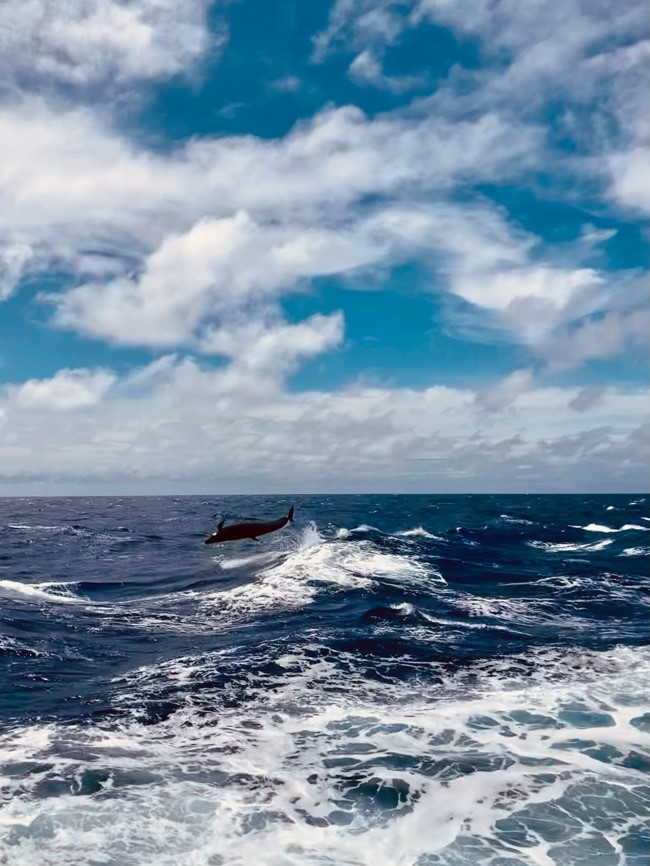
Earlier this year I (ESR 5, Alina) spent my secondment to the Mediterranean Institute of Oceanography (MIO) on a GEOTRACES cruise crossing the South Pacific Ocean (SO 289)! More than 30 scientists were on board RV Sonne investigating biogeochemical cycling of trace metals in the marine environment. We spend almost two months at sea sampling more than 40 profiles, to provide high resolution full water column observations on Hg speciation. I was performing onboard measurements for total mercury and dissolved gaseous mercury and incubation experiments using species-specific enriched isotopes. It was the first time on such a big ship and doing onboard measurements.
Our cruise started in Valparaiso, Chile, and led us to New Caledonia crossing many interesting features such as the productive upwelling/ oxygen minimum zone off Chile and the East Pacific rise.

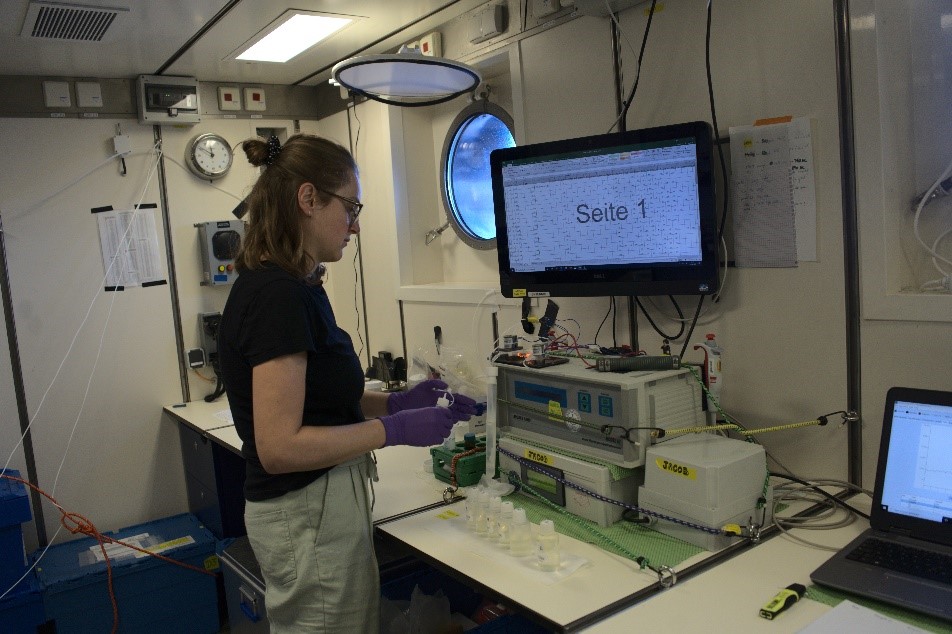
Since I am used to working in the coastal environment, where I am applying similar methods under very different conditions, everything was new and interesting. My experience on the ship was great, as was working with so many other passionate scientists from different fields. I am very happy to have had the opportunity to participate. It helped me to extend my horizon and was an excellent learning experience. If you are interested to read more about the work on Hg on the cruise I recommend the “Ocean blog” which has been released during the cruise. It can be found here: https://www.oceanblogs.org/geotraces/2022/04/04/mercury-in-the-south-pacific-ocean/



Traveling and collaboration
Saeed Waqar Ali (ESR 9) is sharing recent experiences in his research work:
While things were getting back to normal from the restrictions related to COVID-19, we managed to achieve some important developments in the project. First off, our work on the methodological evaluation of Hg in foliar samples including both sample collection and analysis was performed. We also collected foliar samples to study the seasonal variation of vegetation Hg levels in four contrasting forest sites in Slovenia and analyzed them for THg and Hg stable isotopes. Results from these works were presented at conferences this year. In addition to this, controlled mesocosm experimental plots to study Hg dynamics during litterfall degradation was also set up at the Department of Environmental Sciences, Jozef Stefan Institute and is being monitored on bi-monthly basis. In the meantime, with the help of colleagues working at the department, we are developing a dataset comprising various environment-related parameters that will be utilized for predictive modelling of vegetation Hg uptake using machine learning tools.
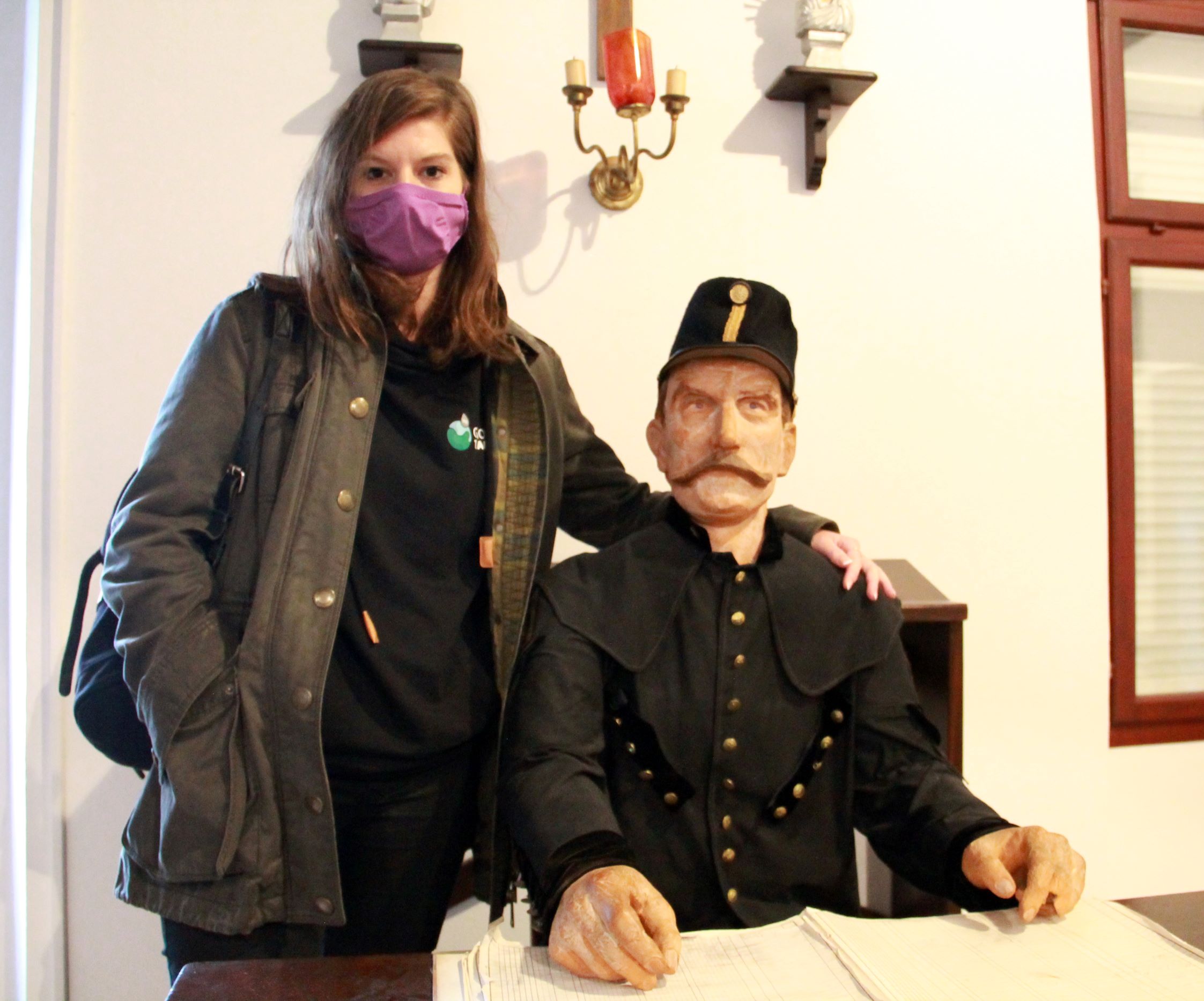
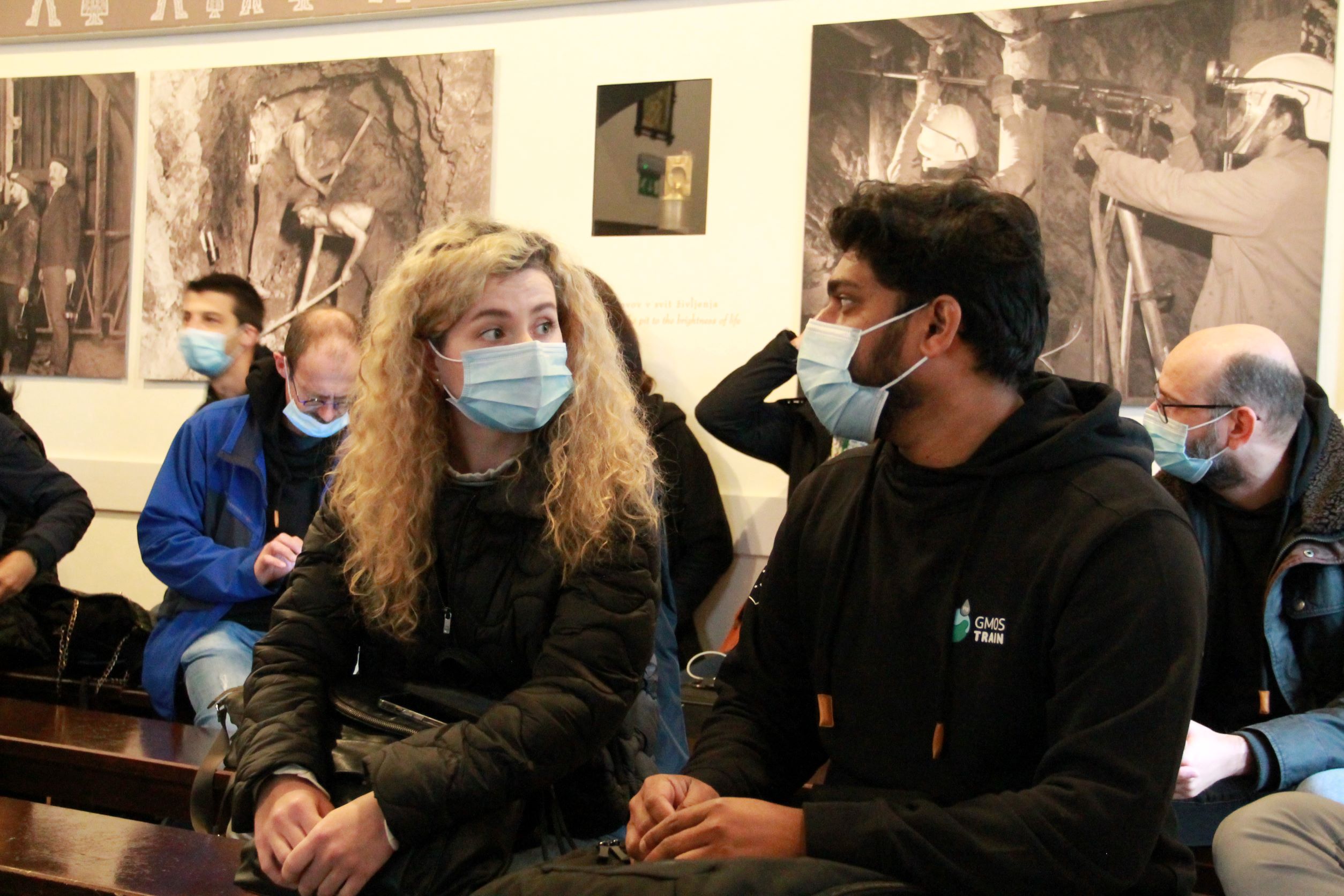
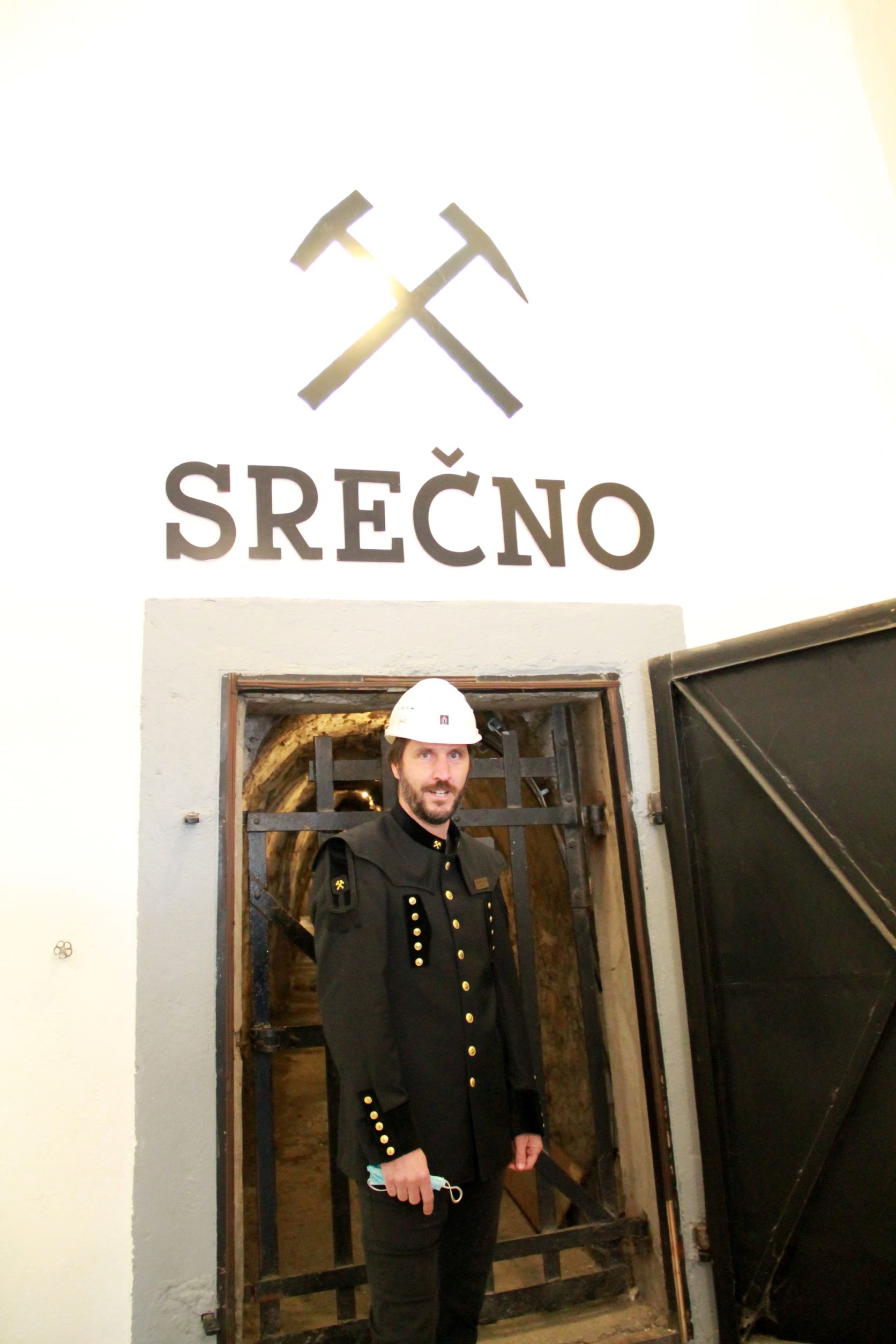
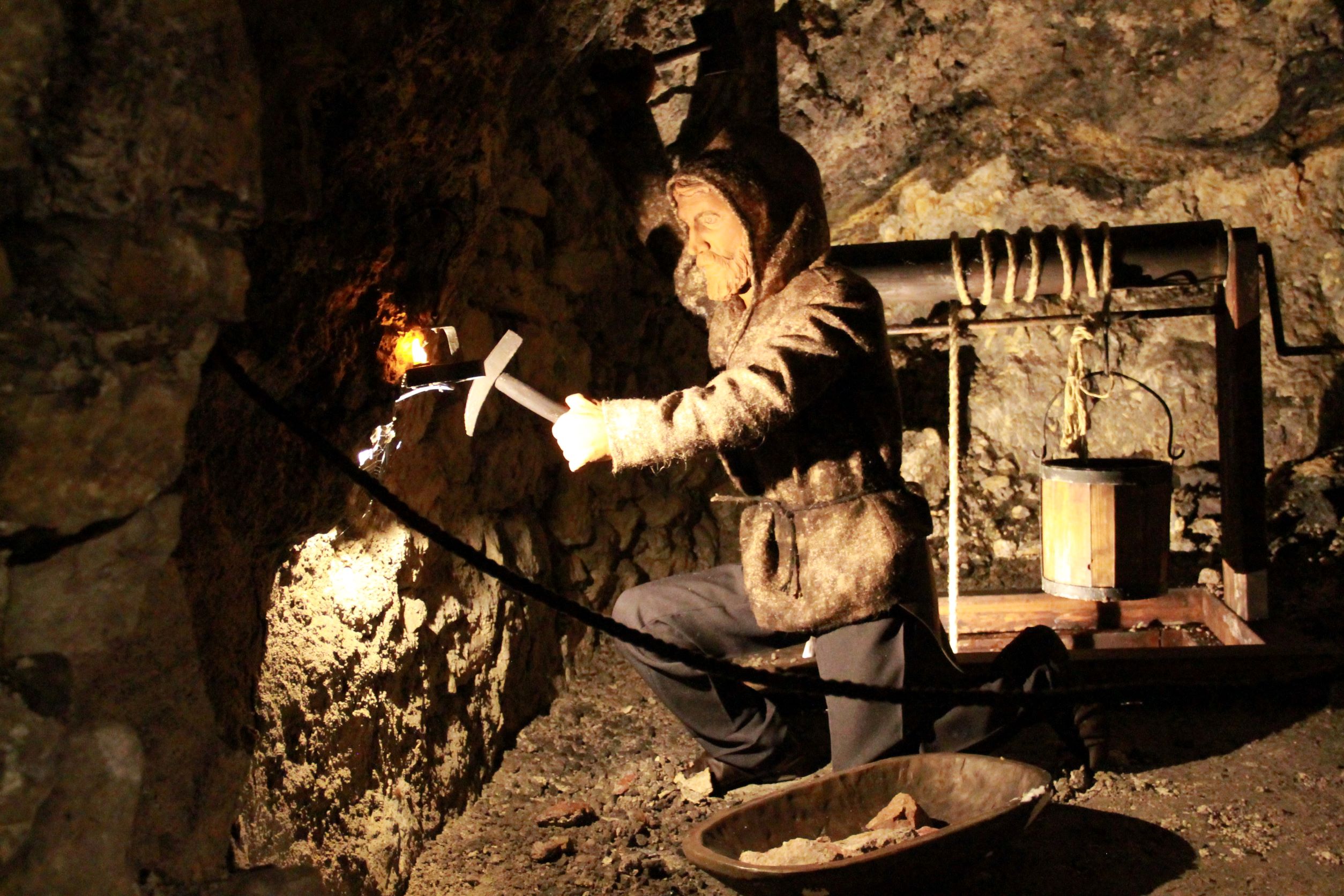
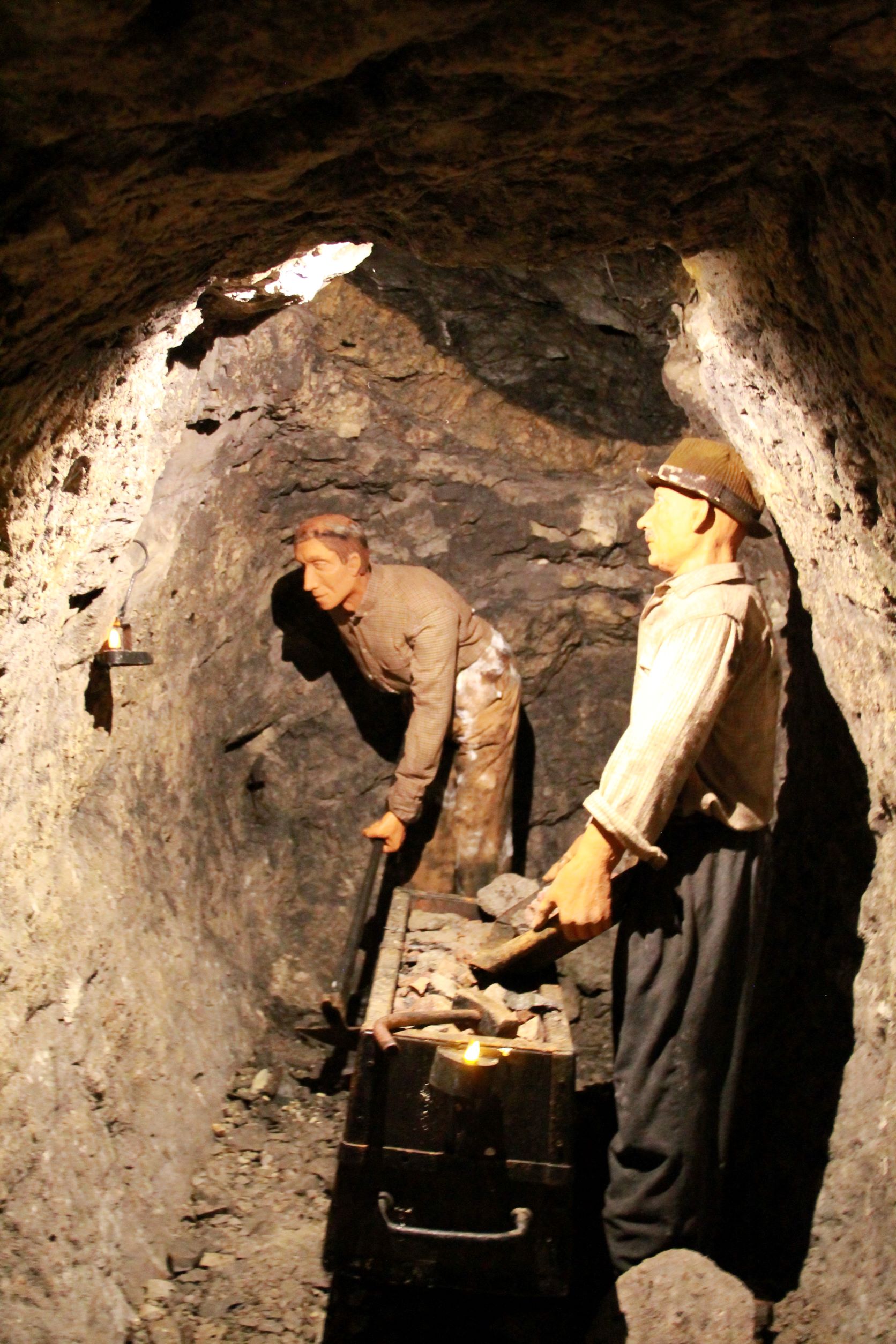
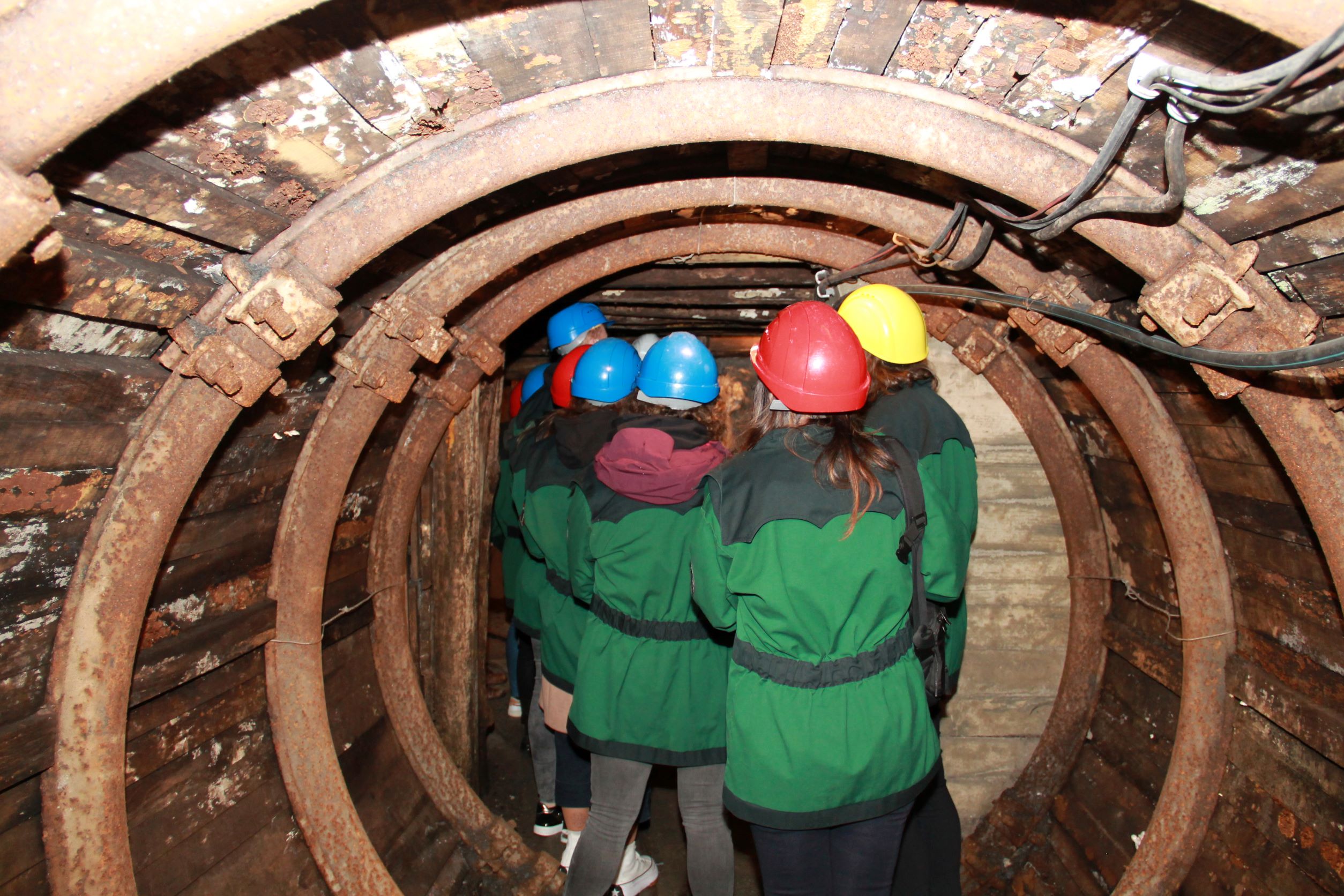
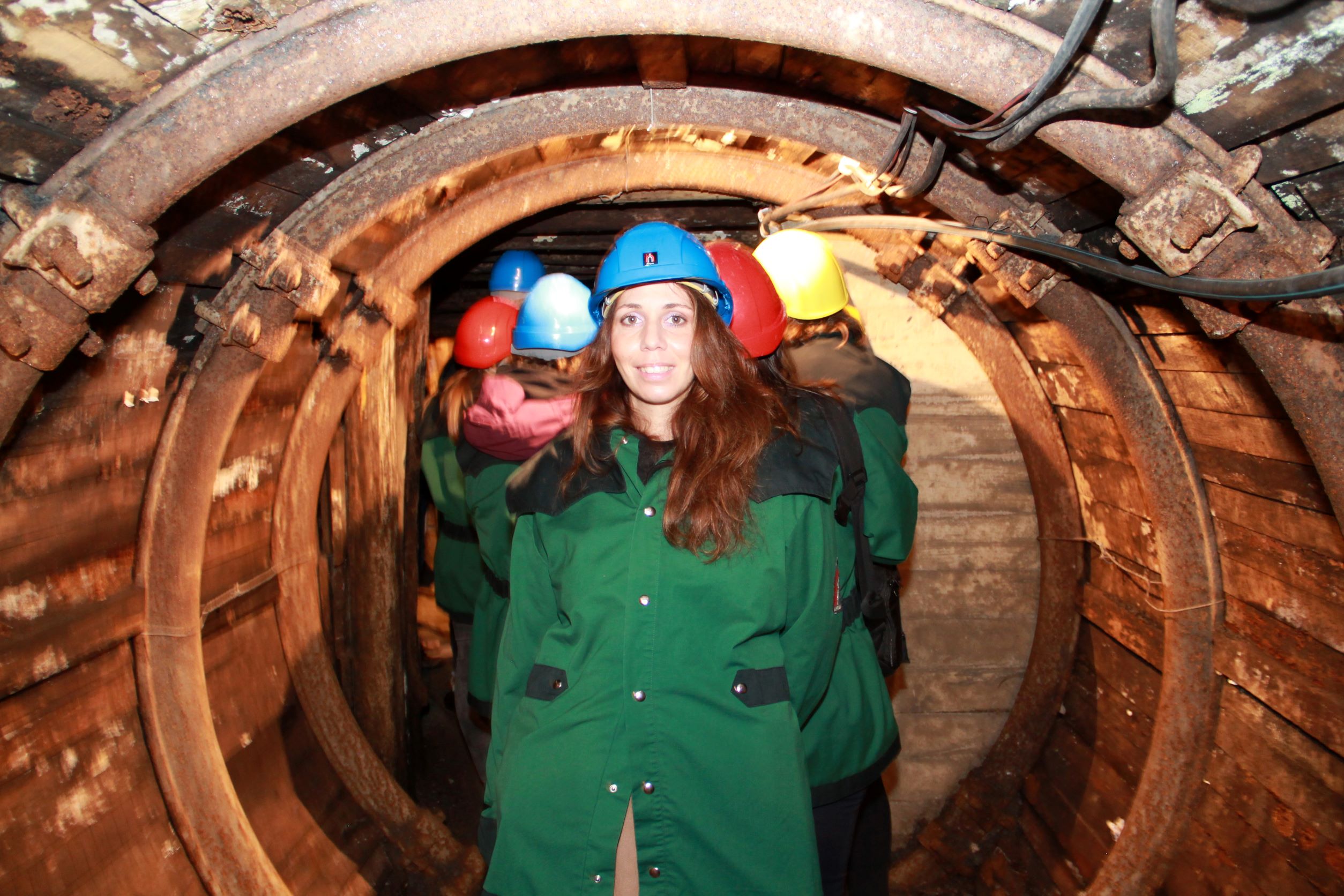
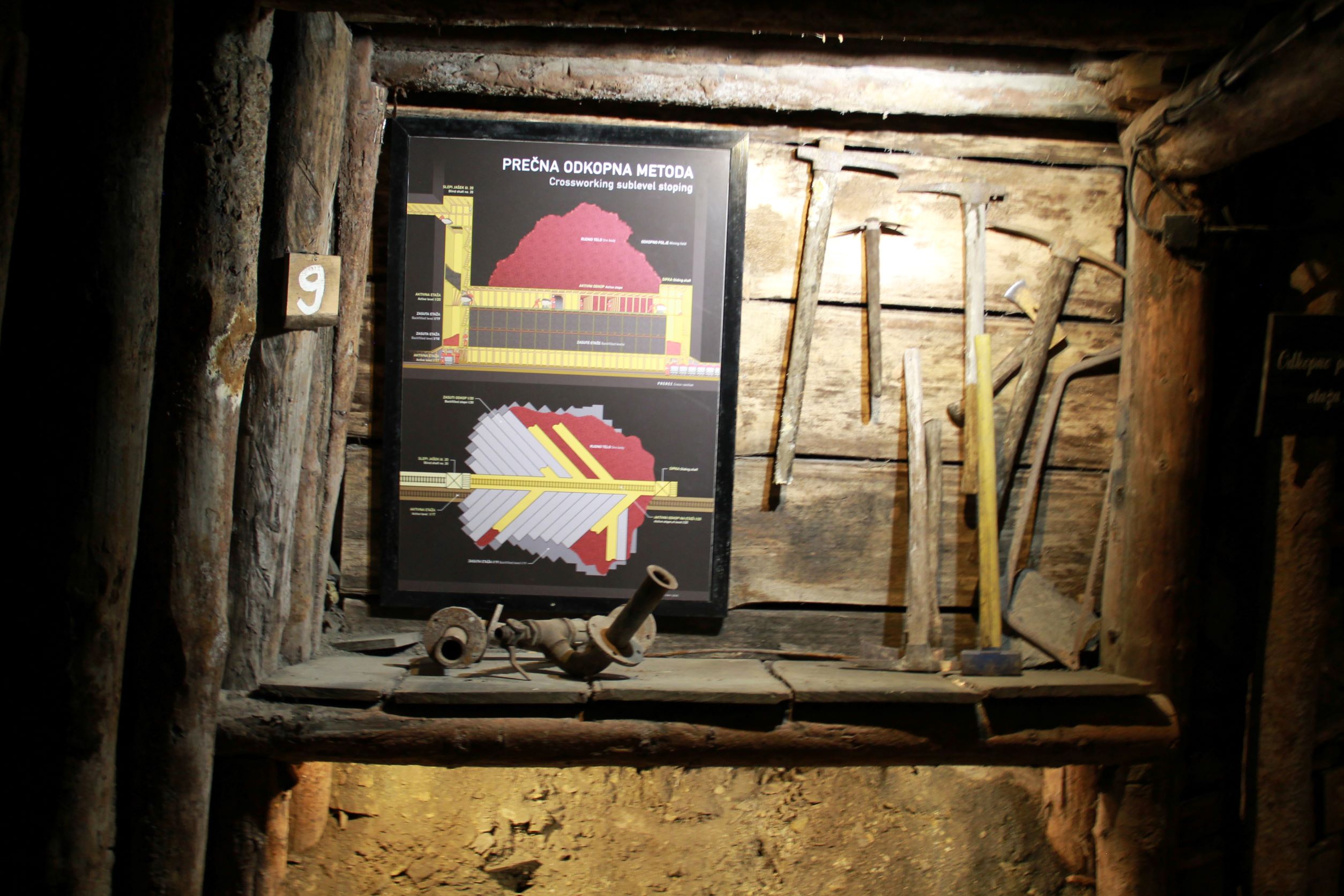
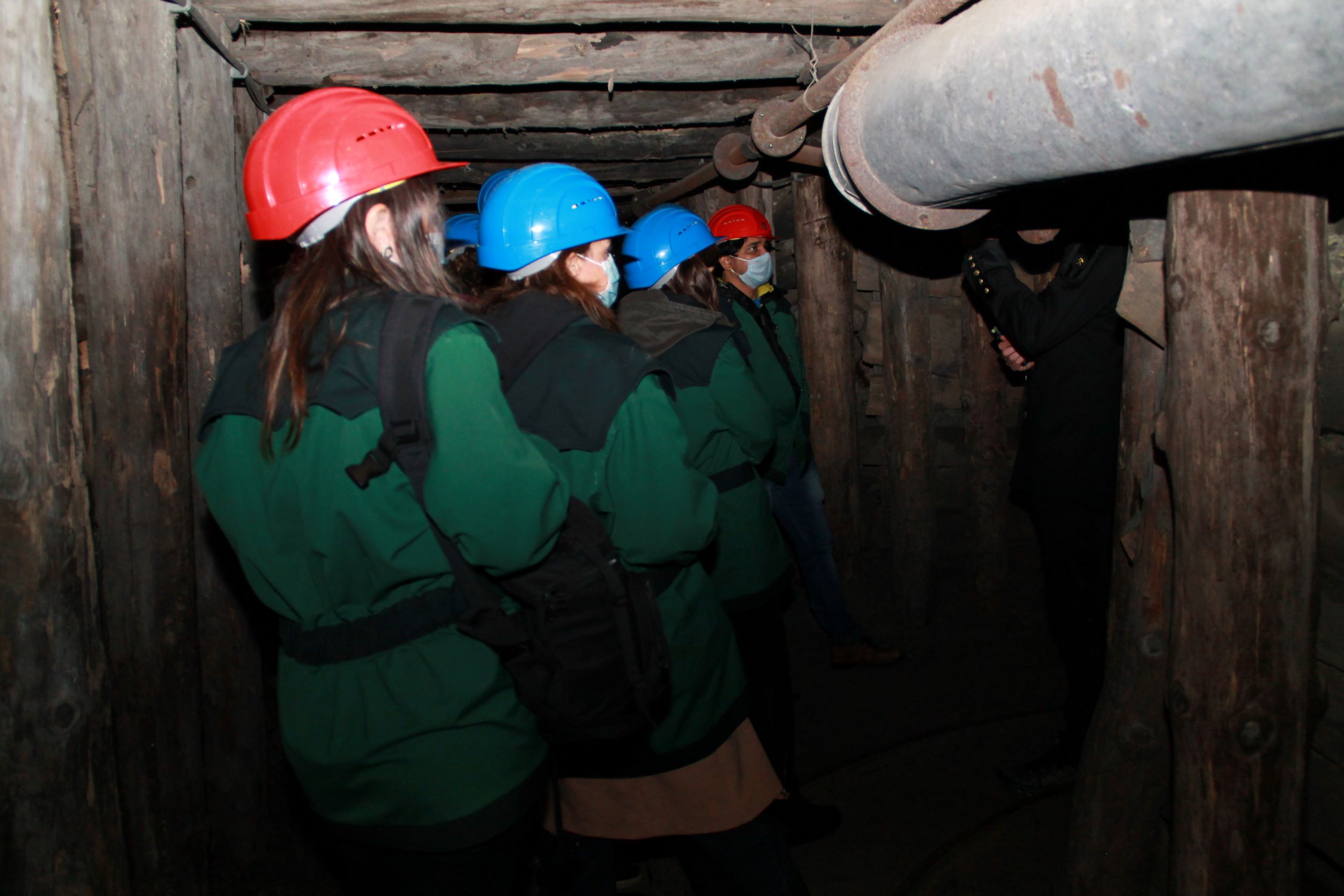
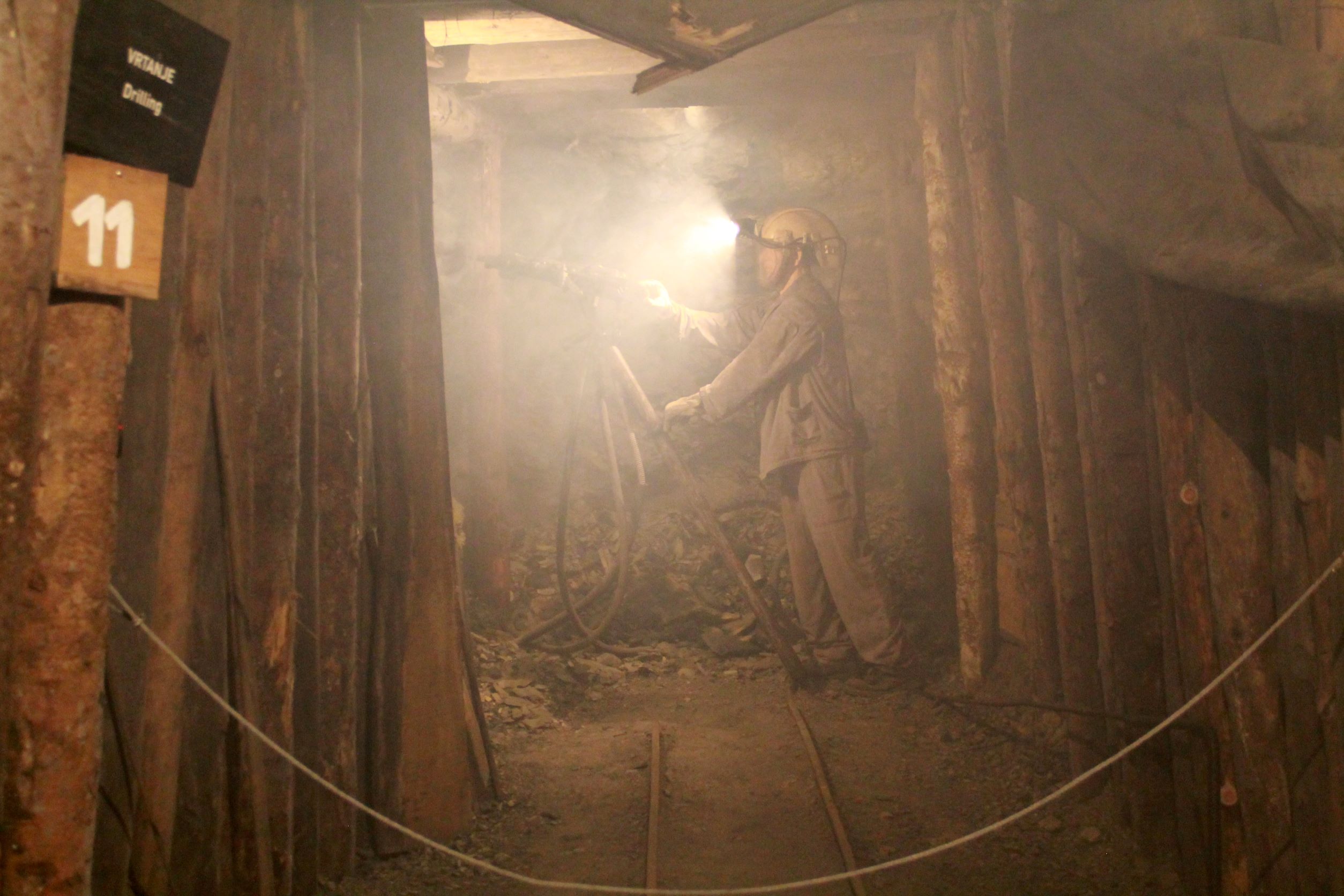
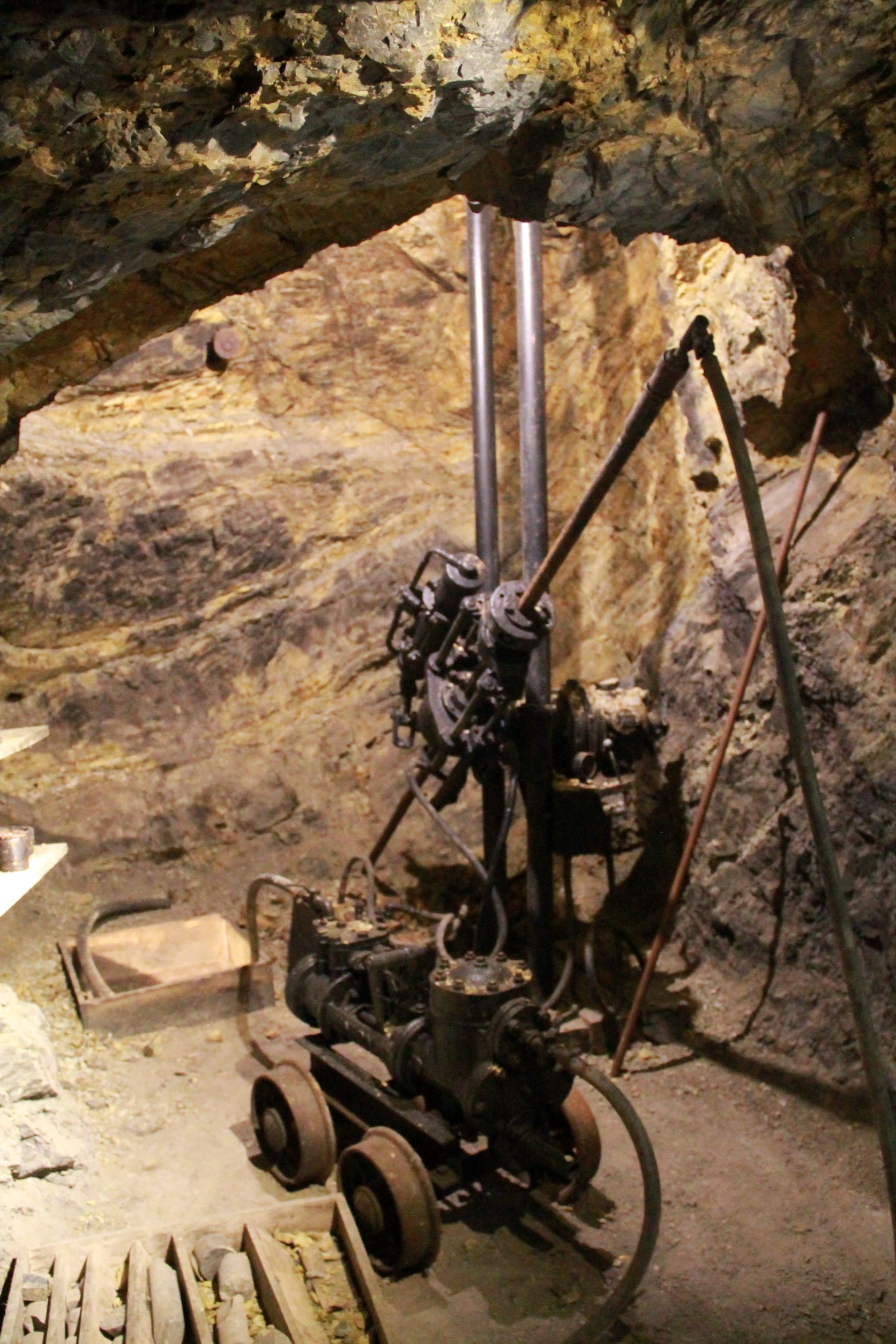
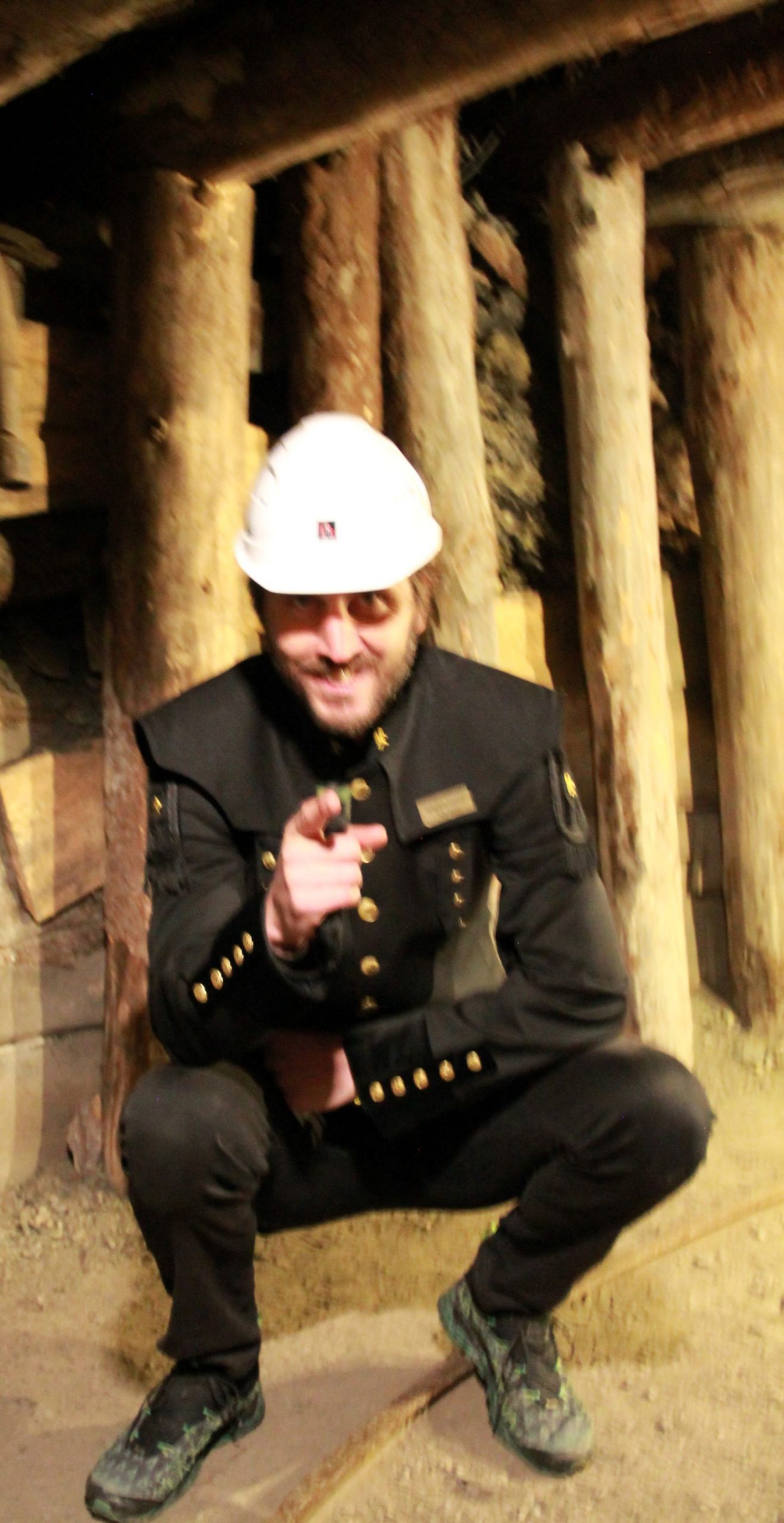
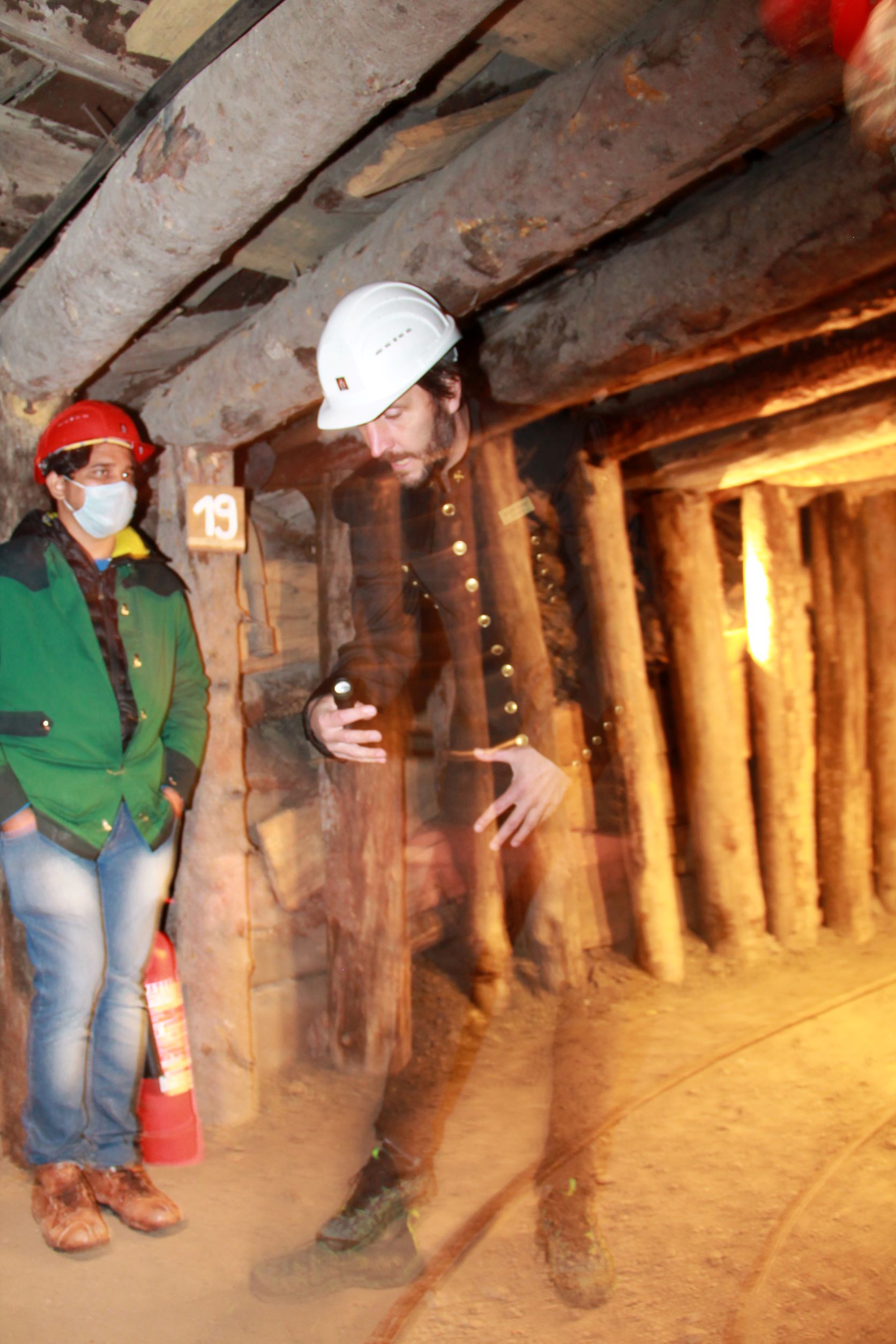
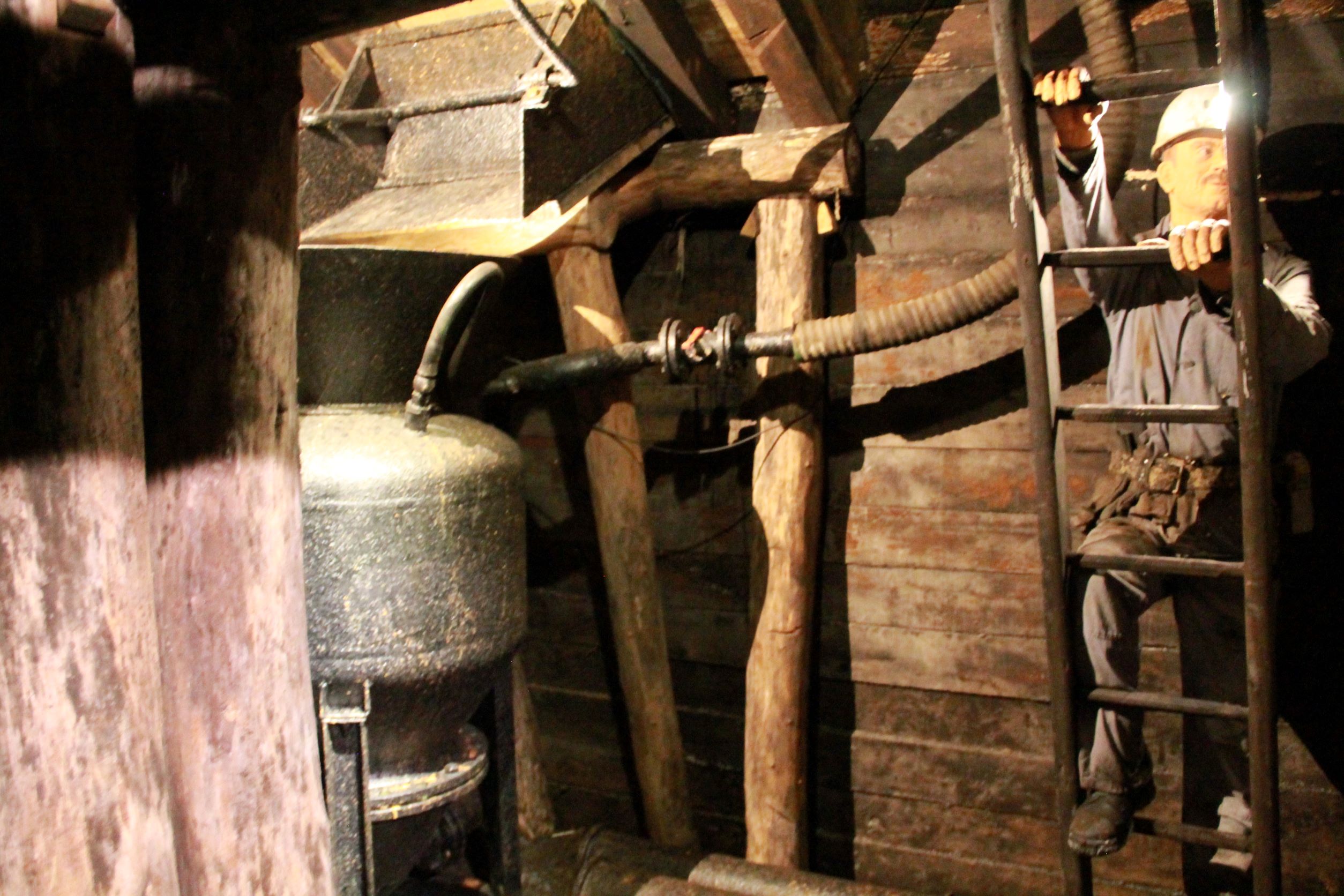
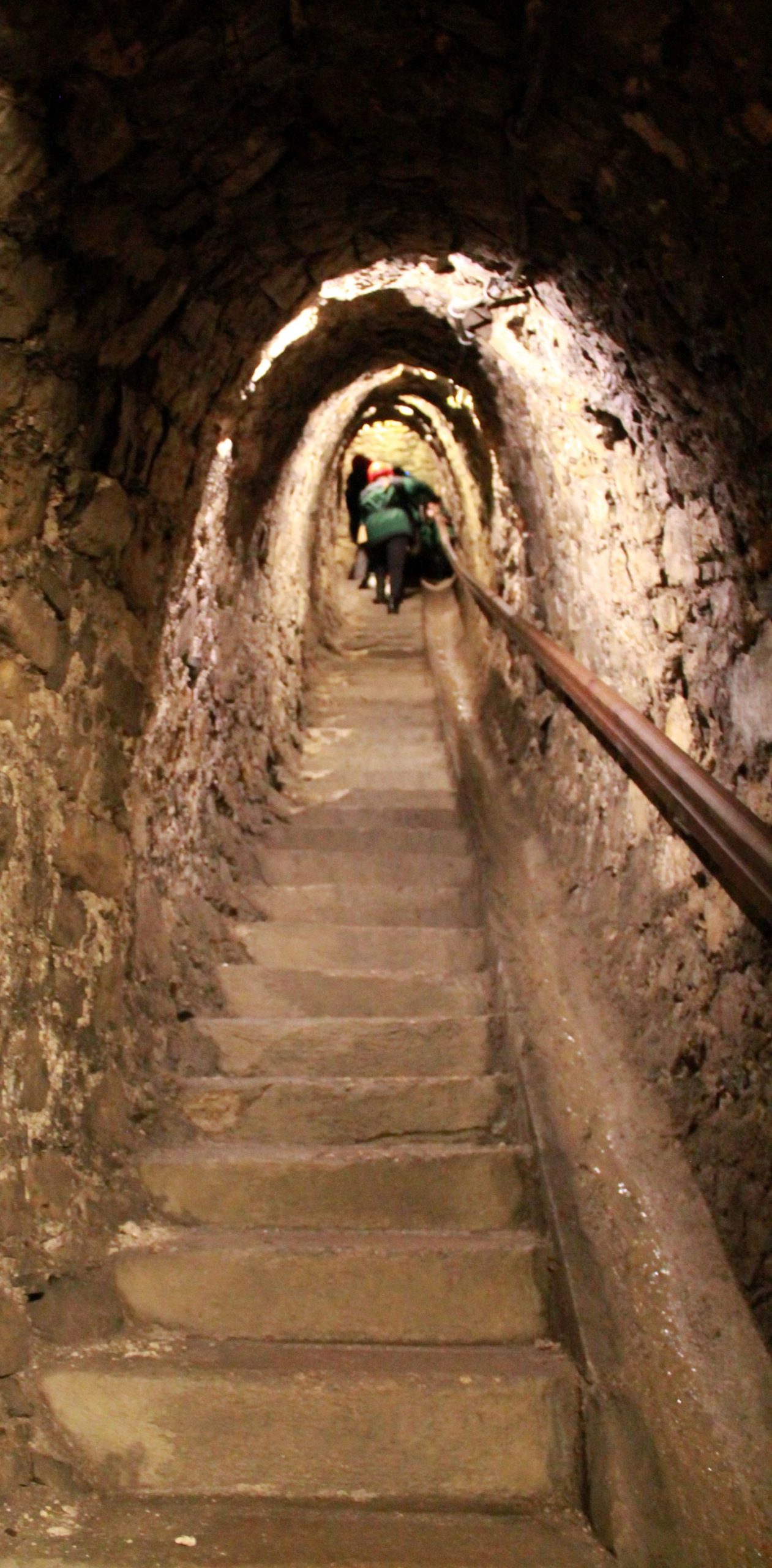
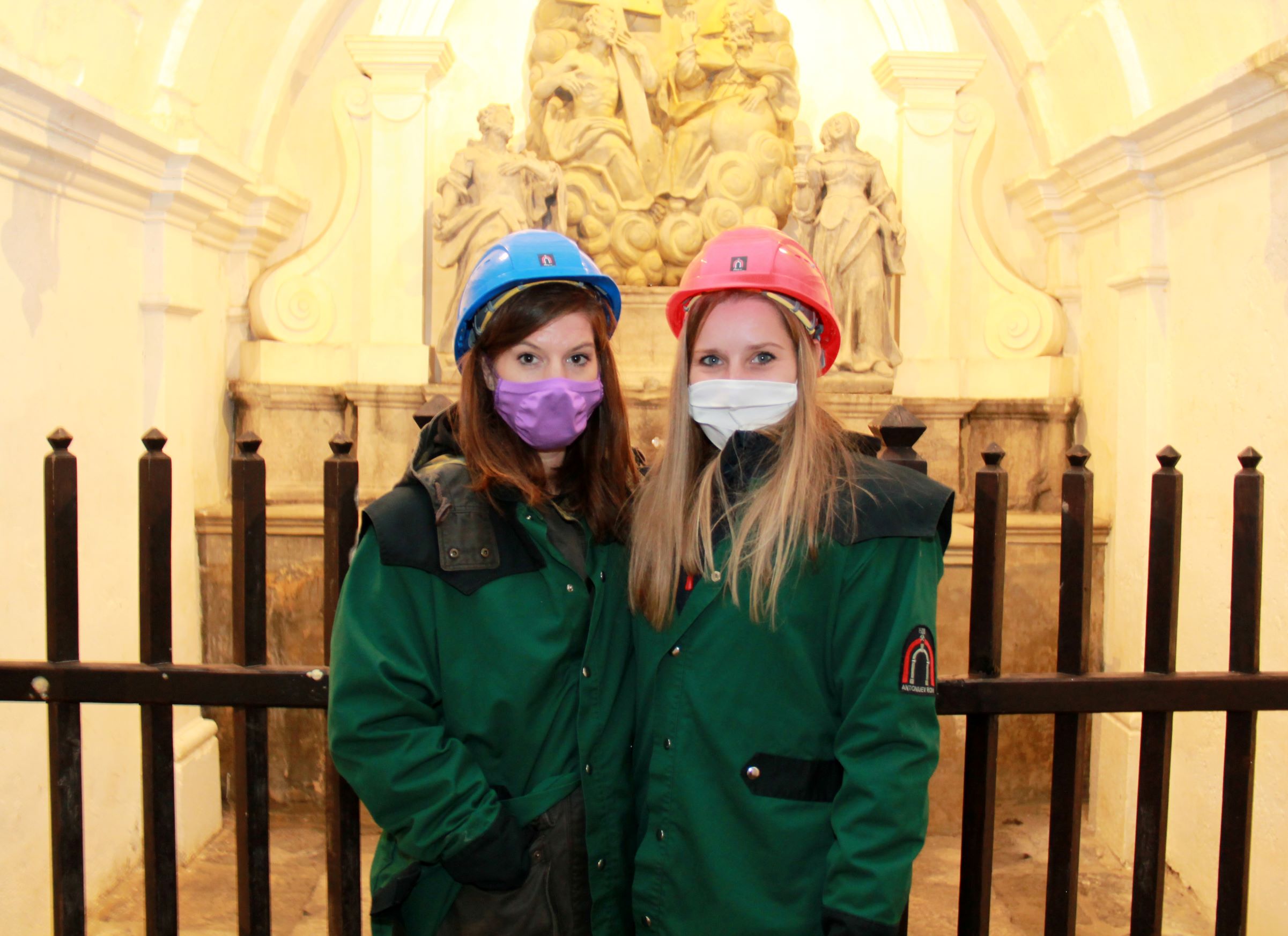
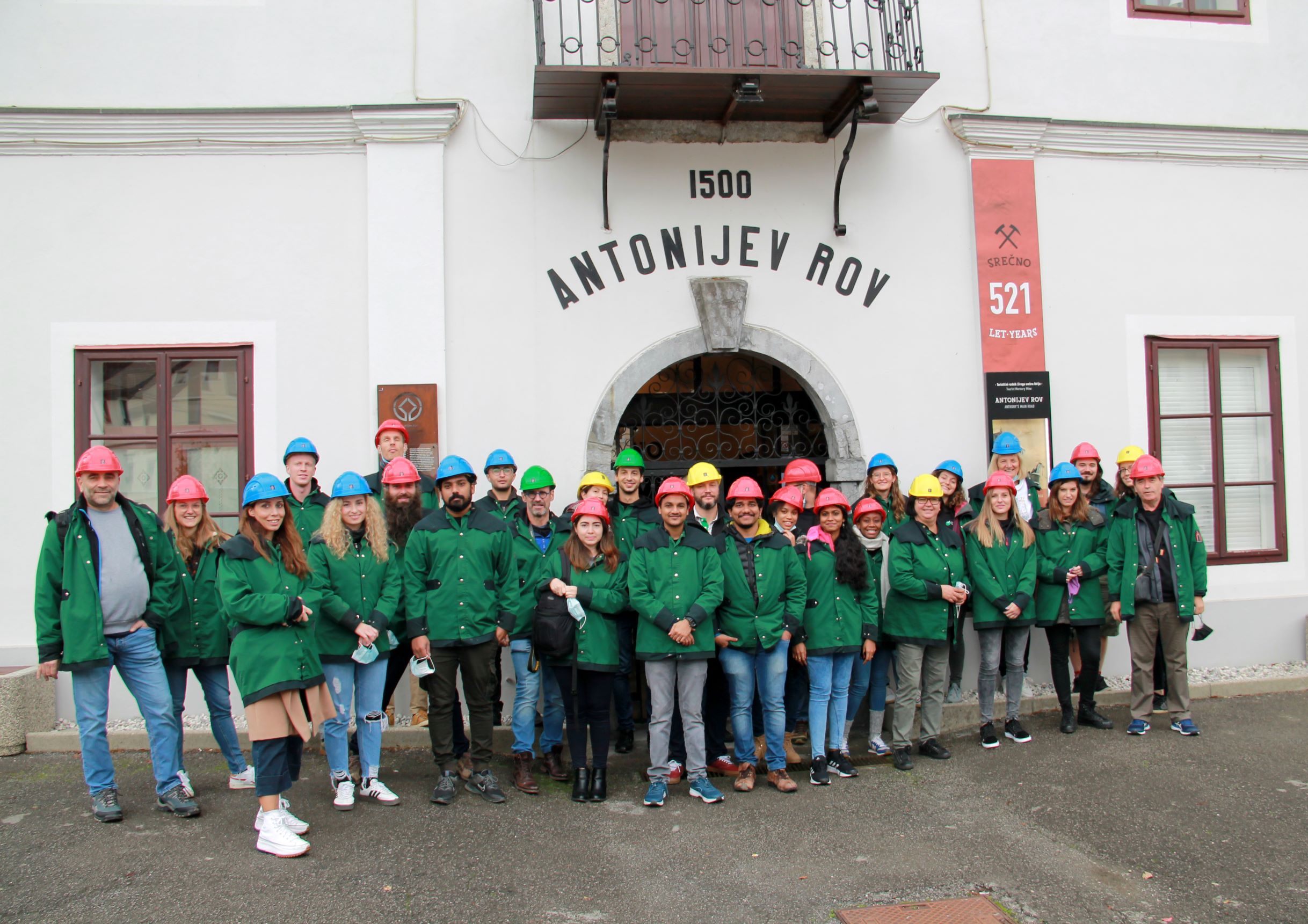
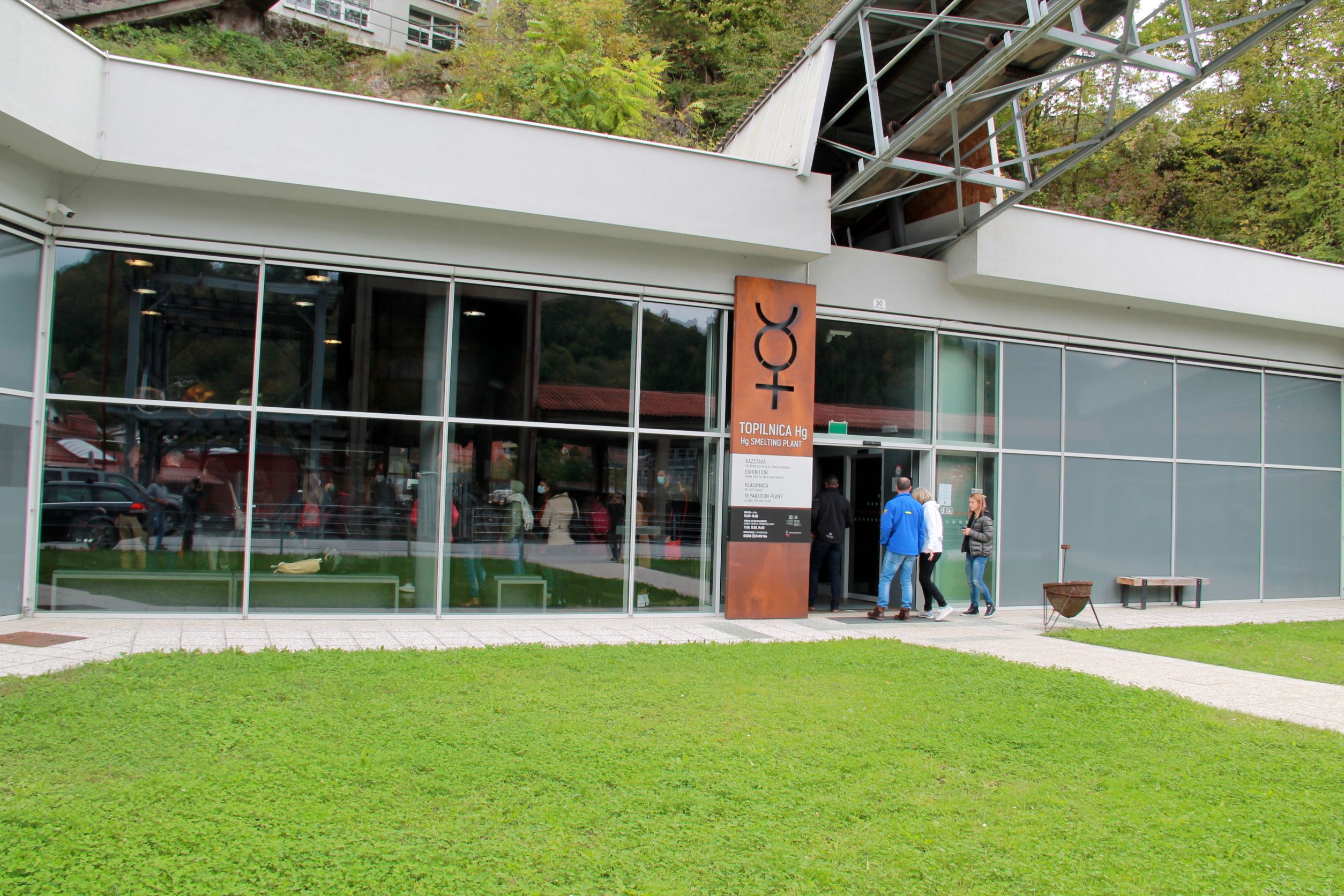
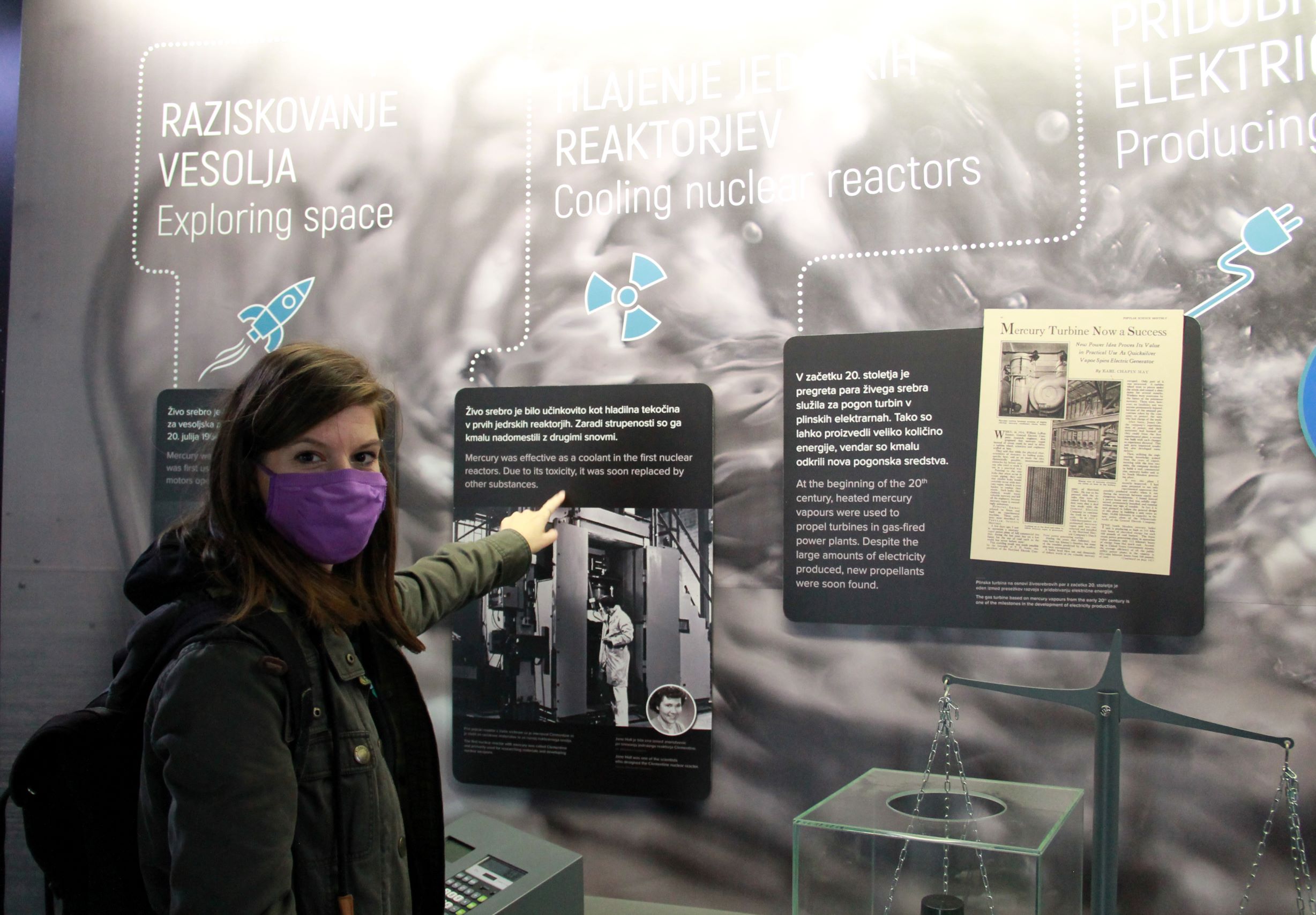
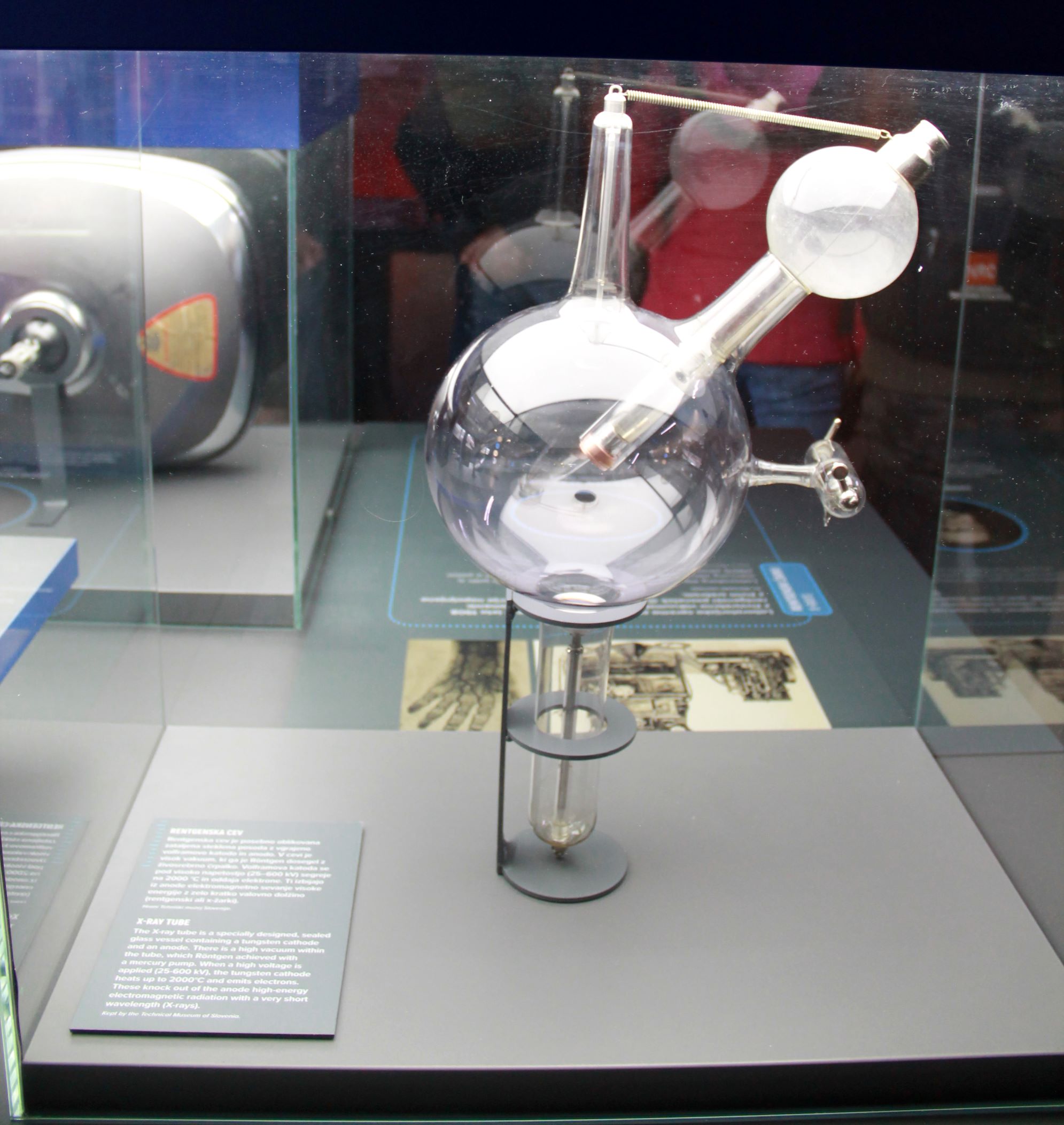
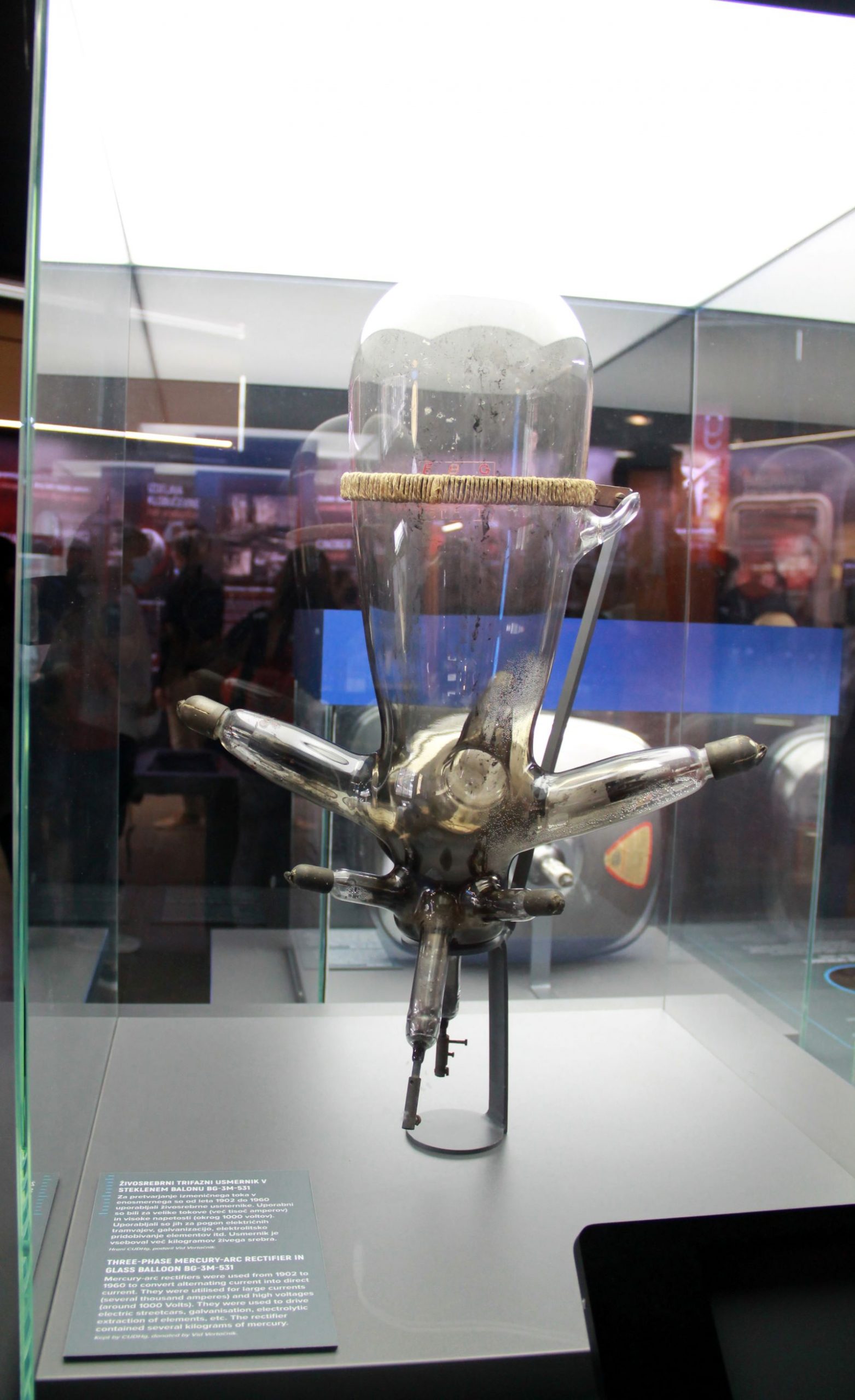
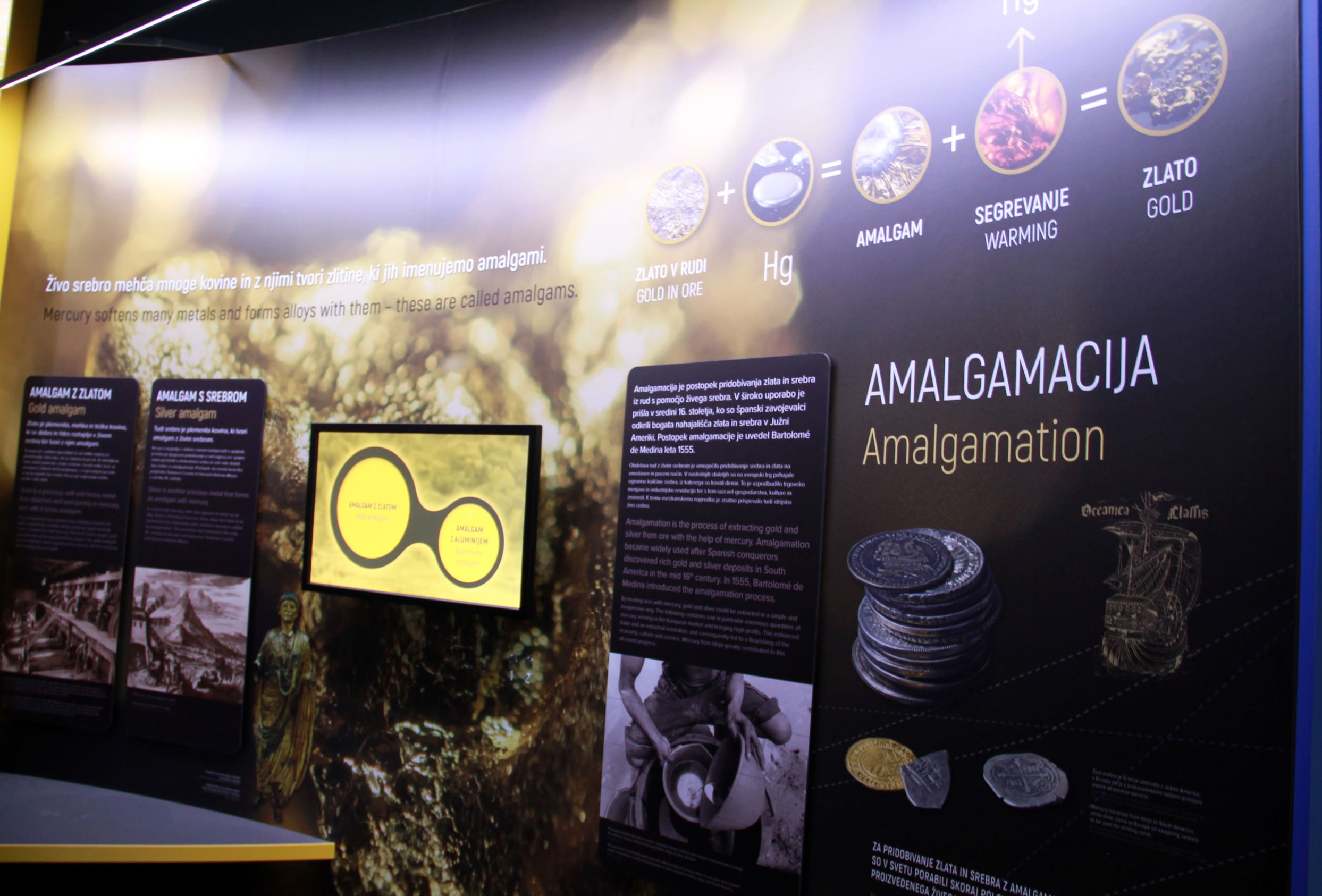
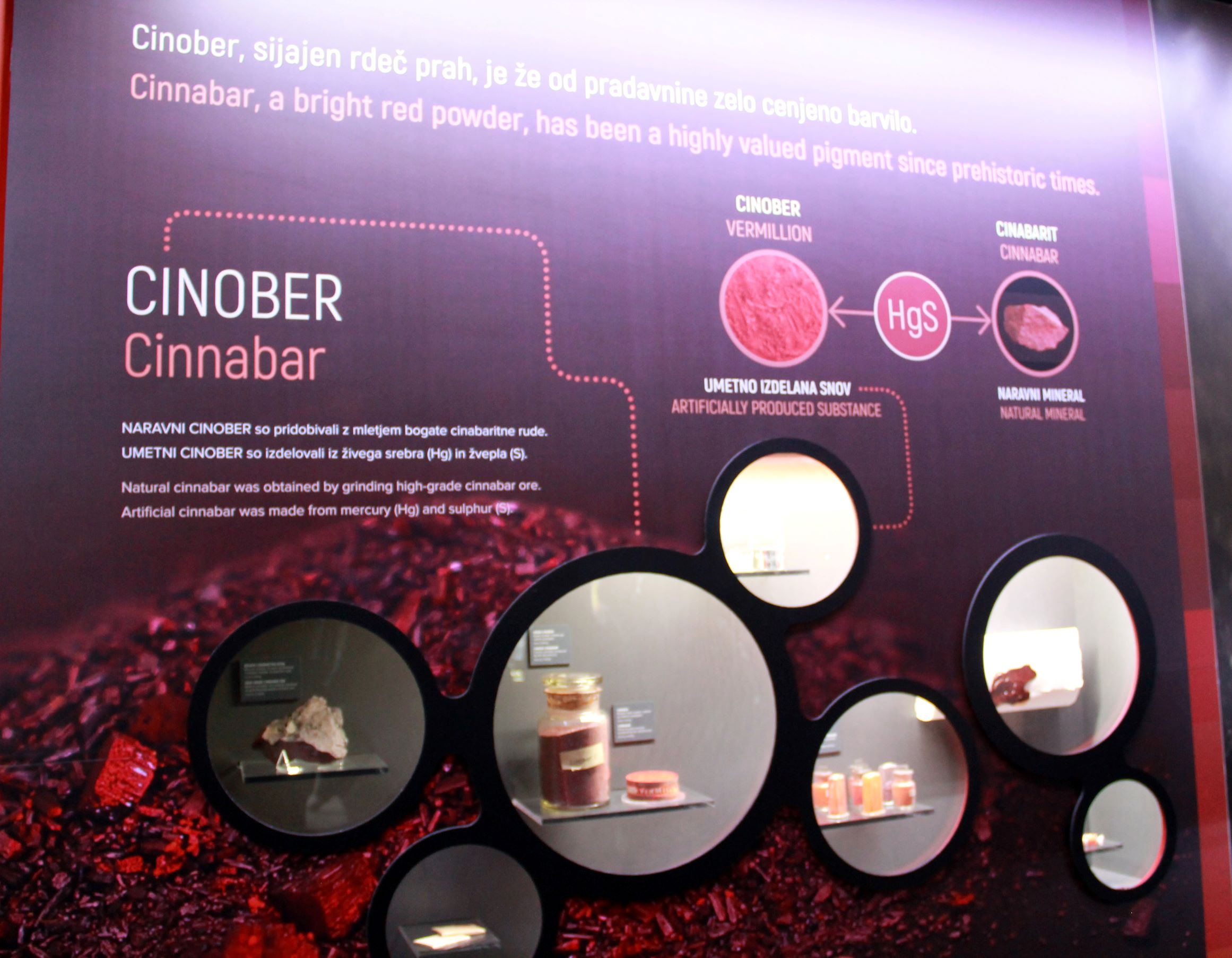
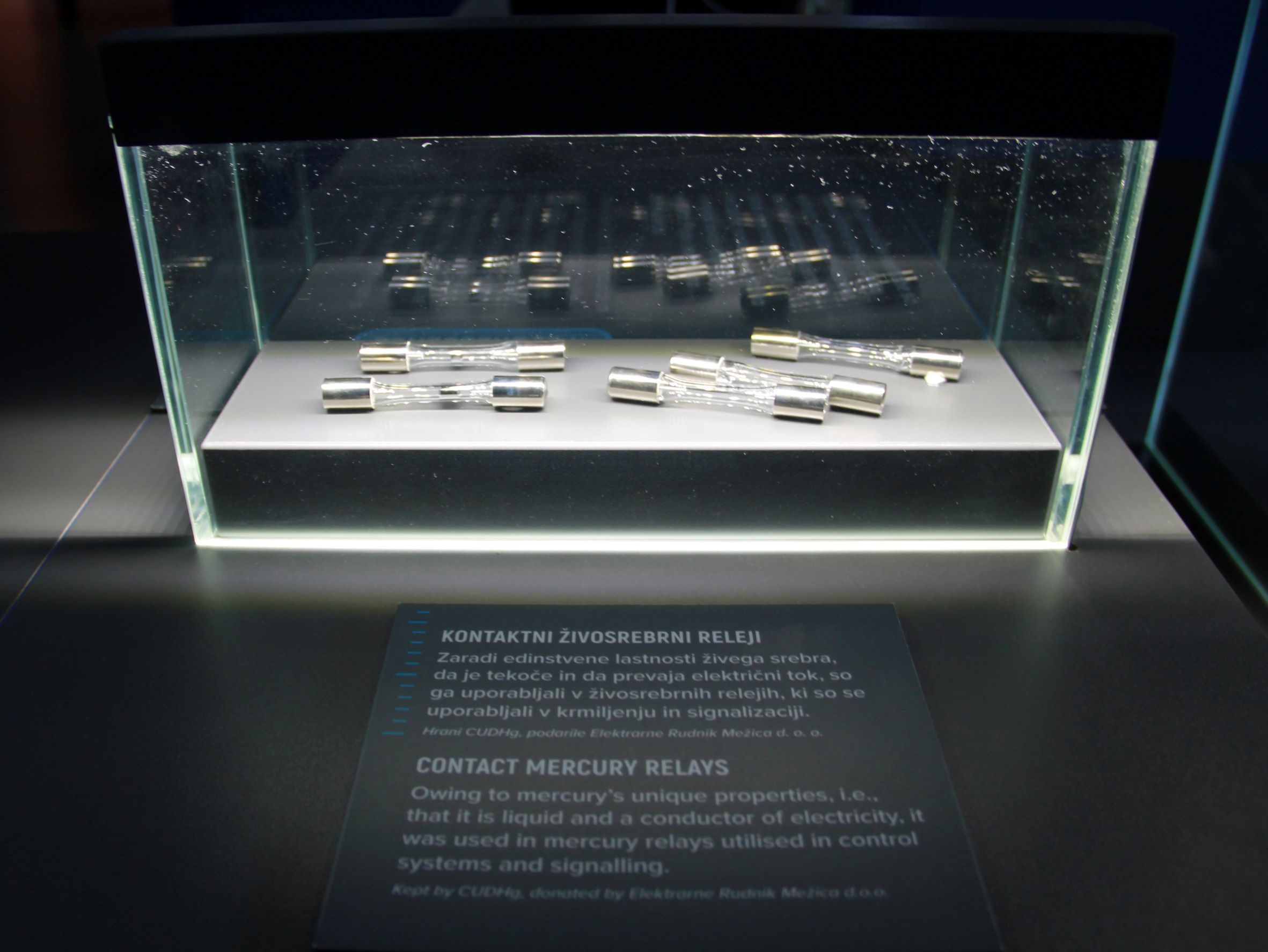
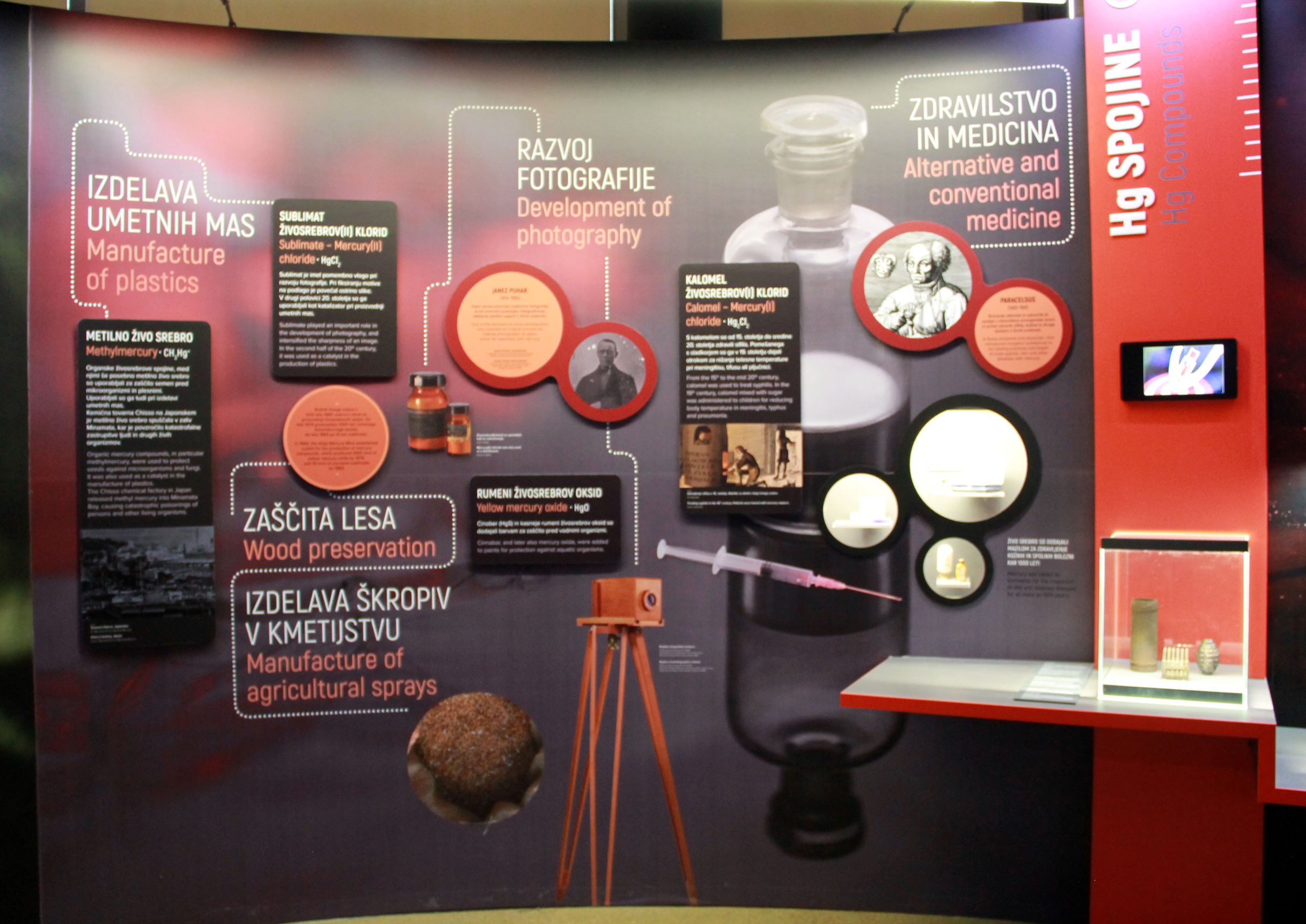
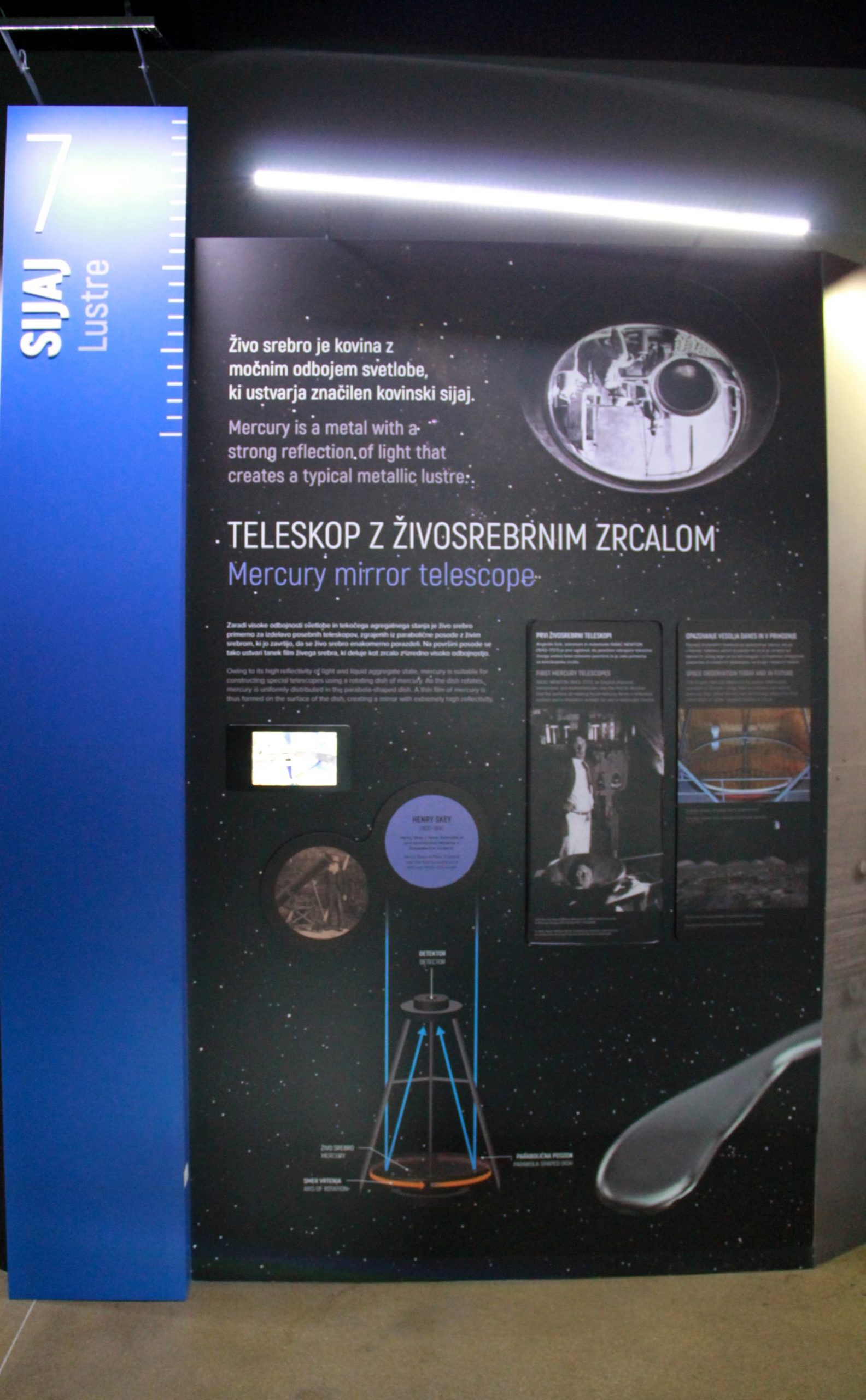
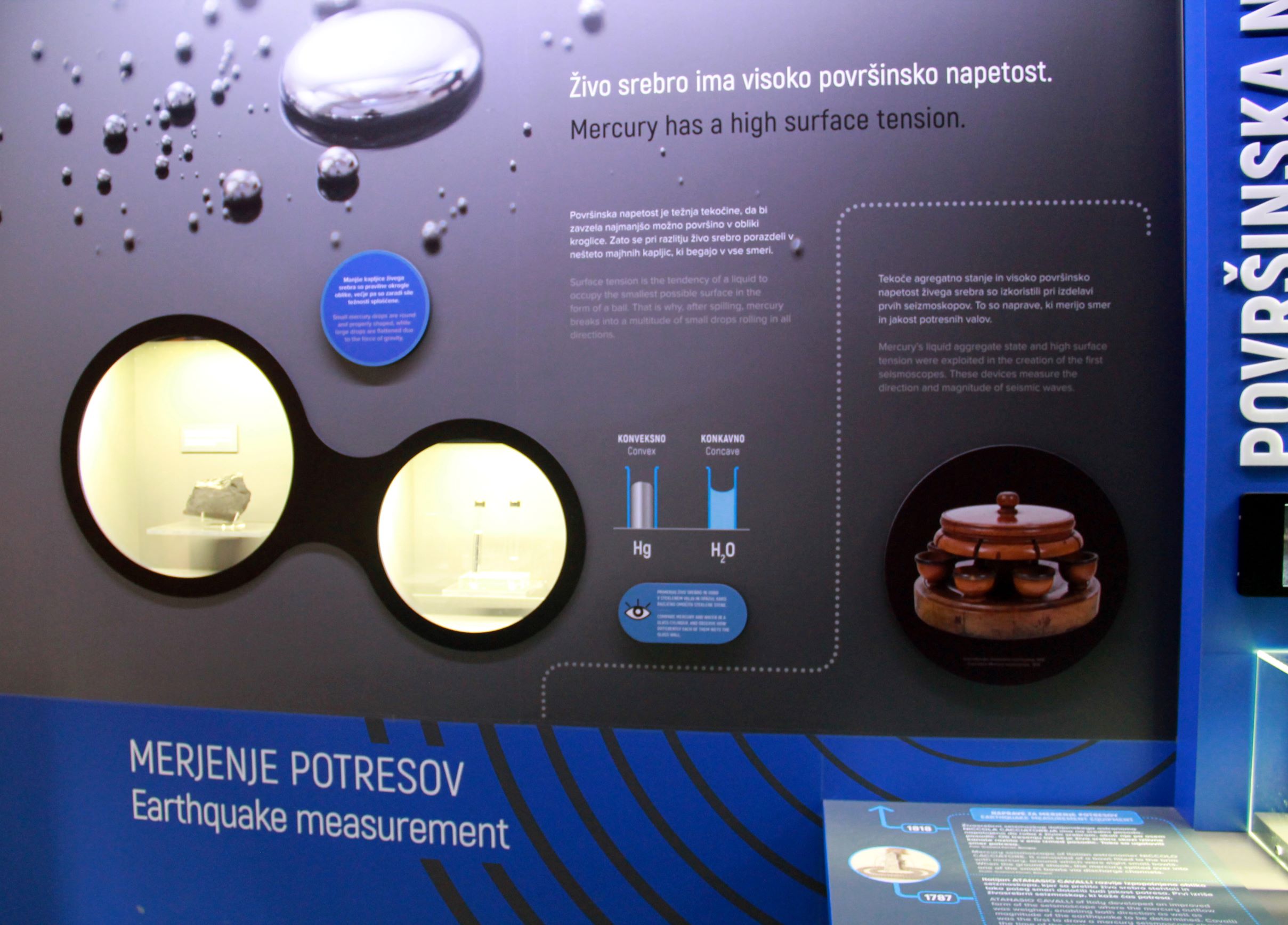
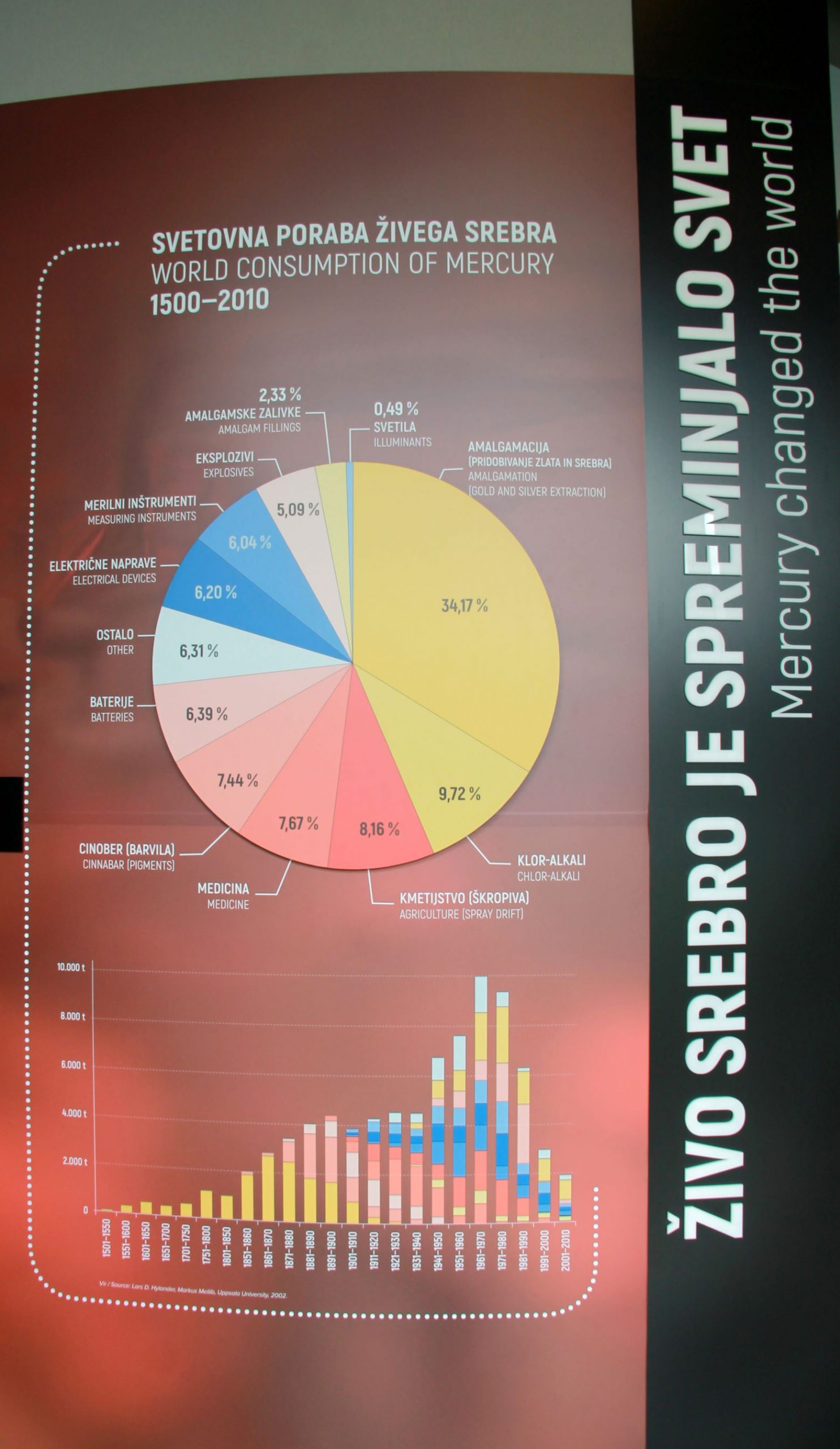
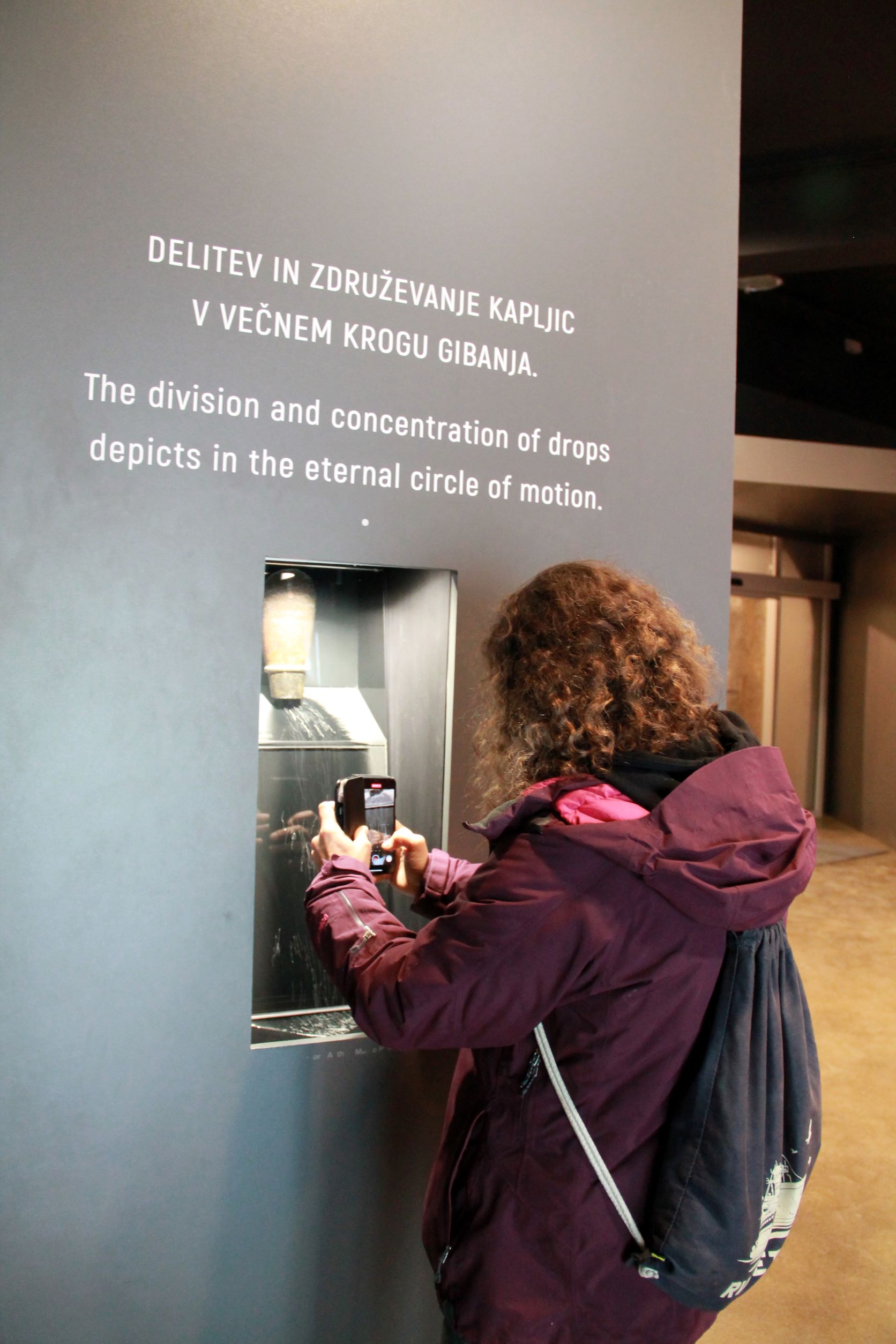
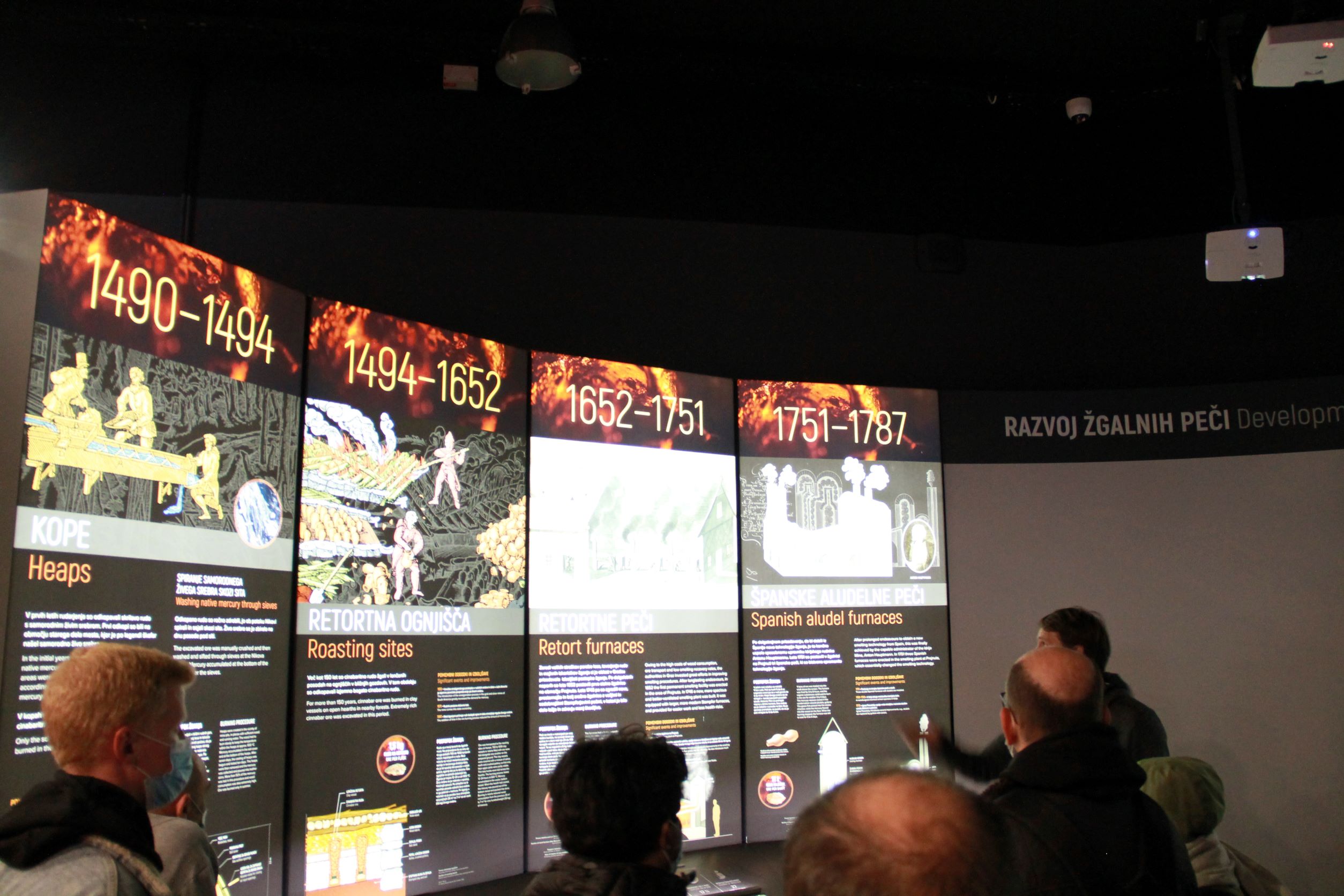
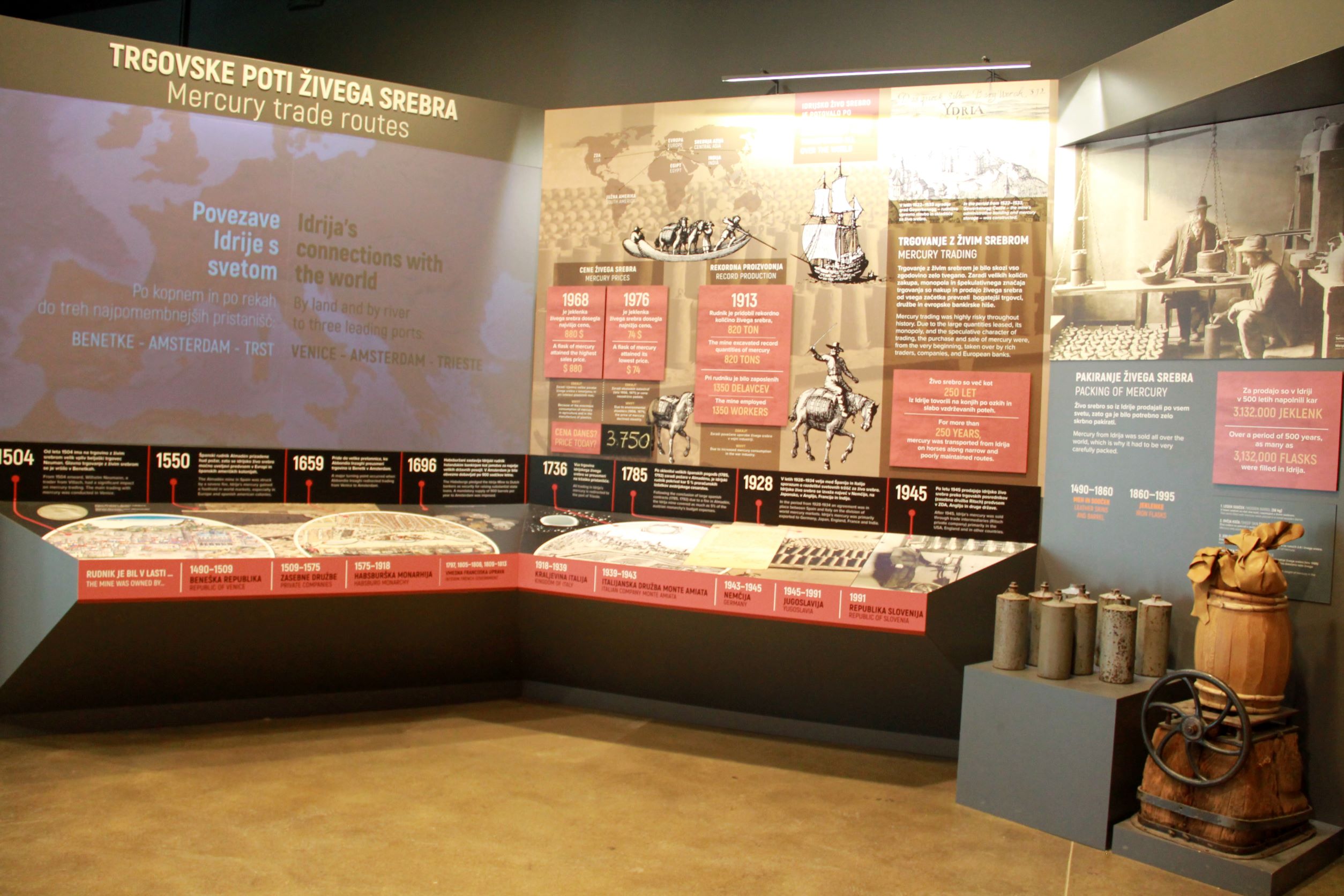
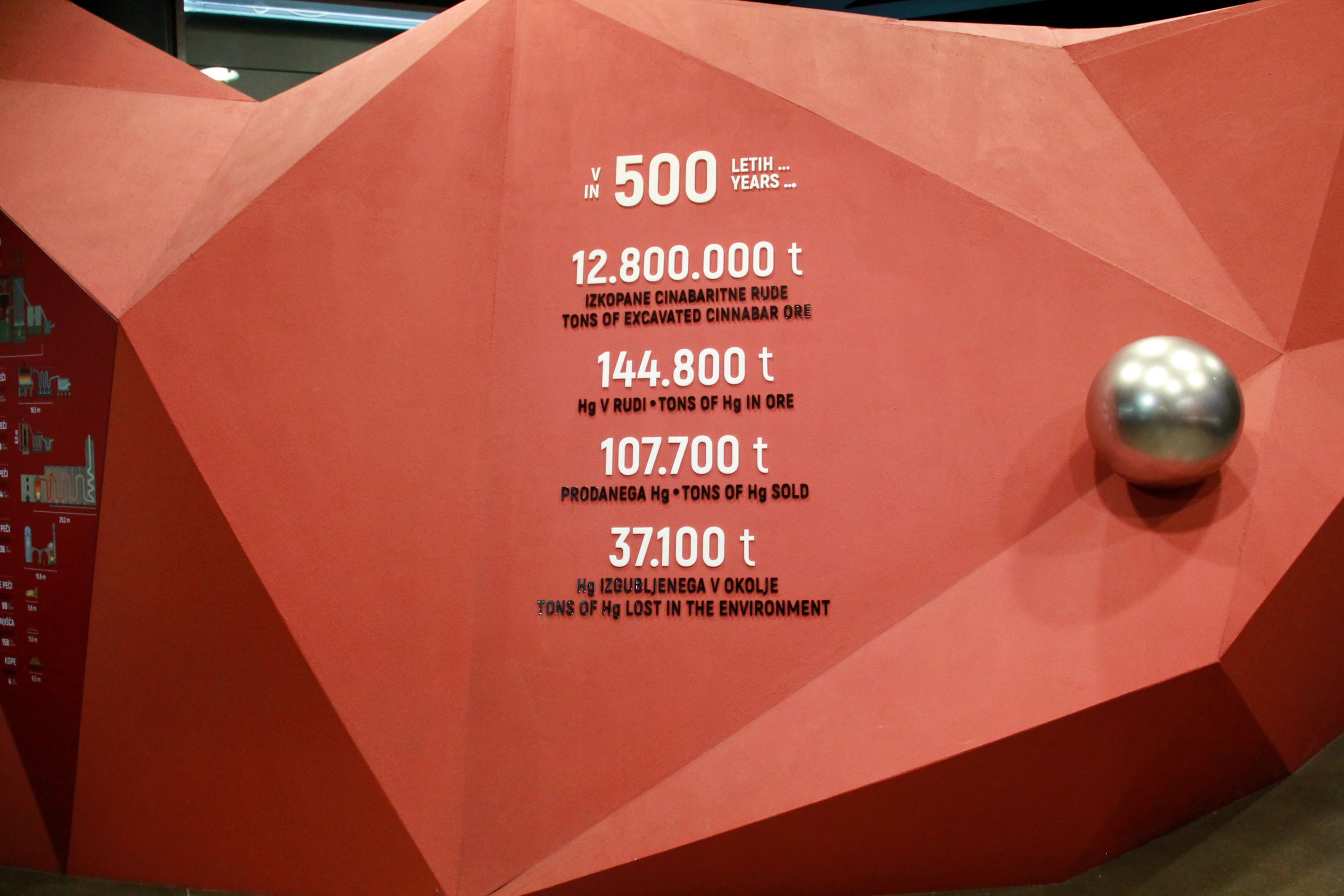
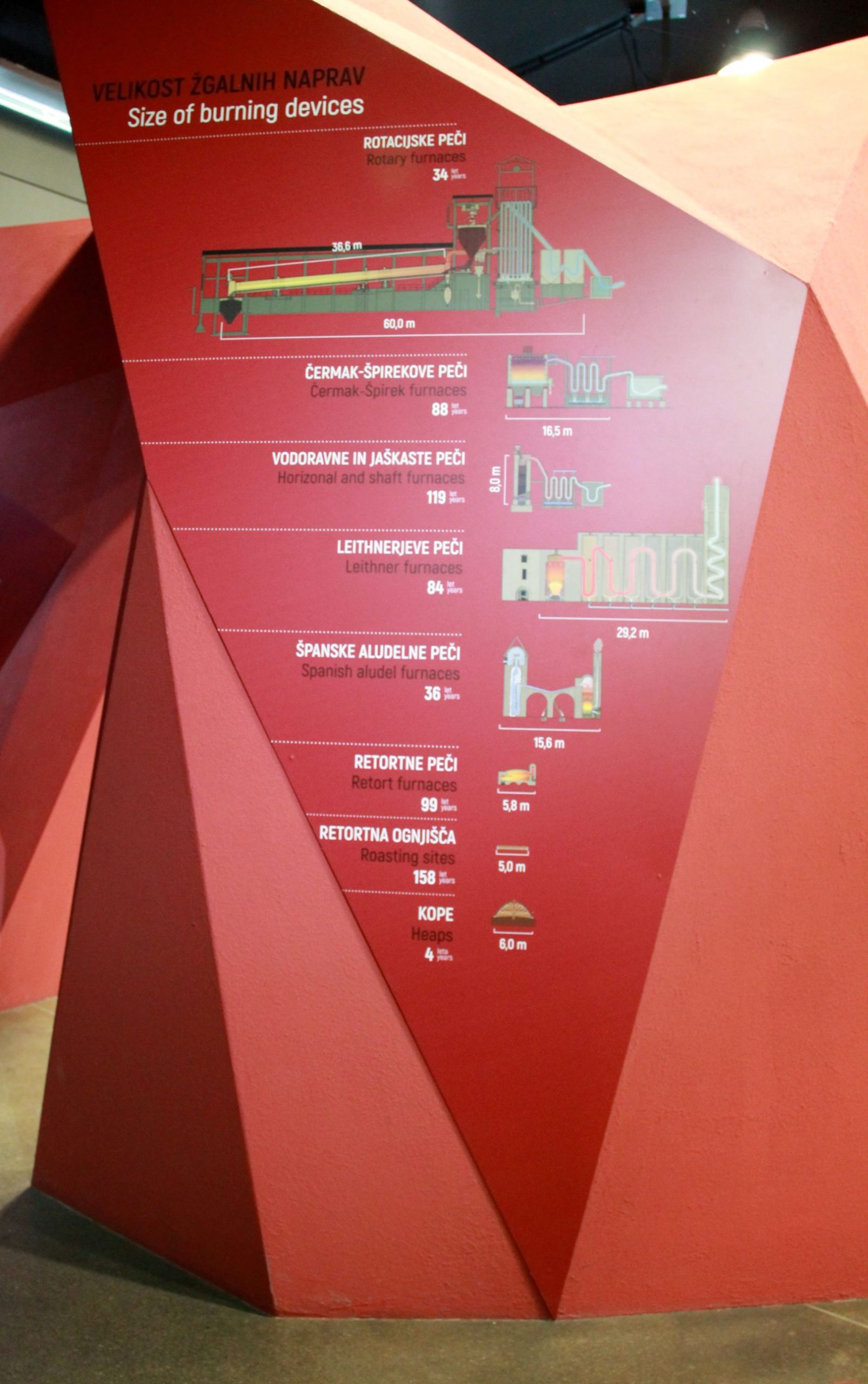
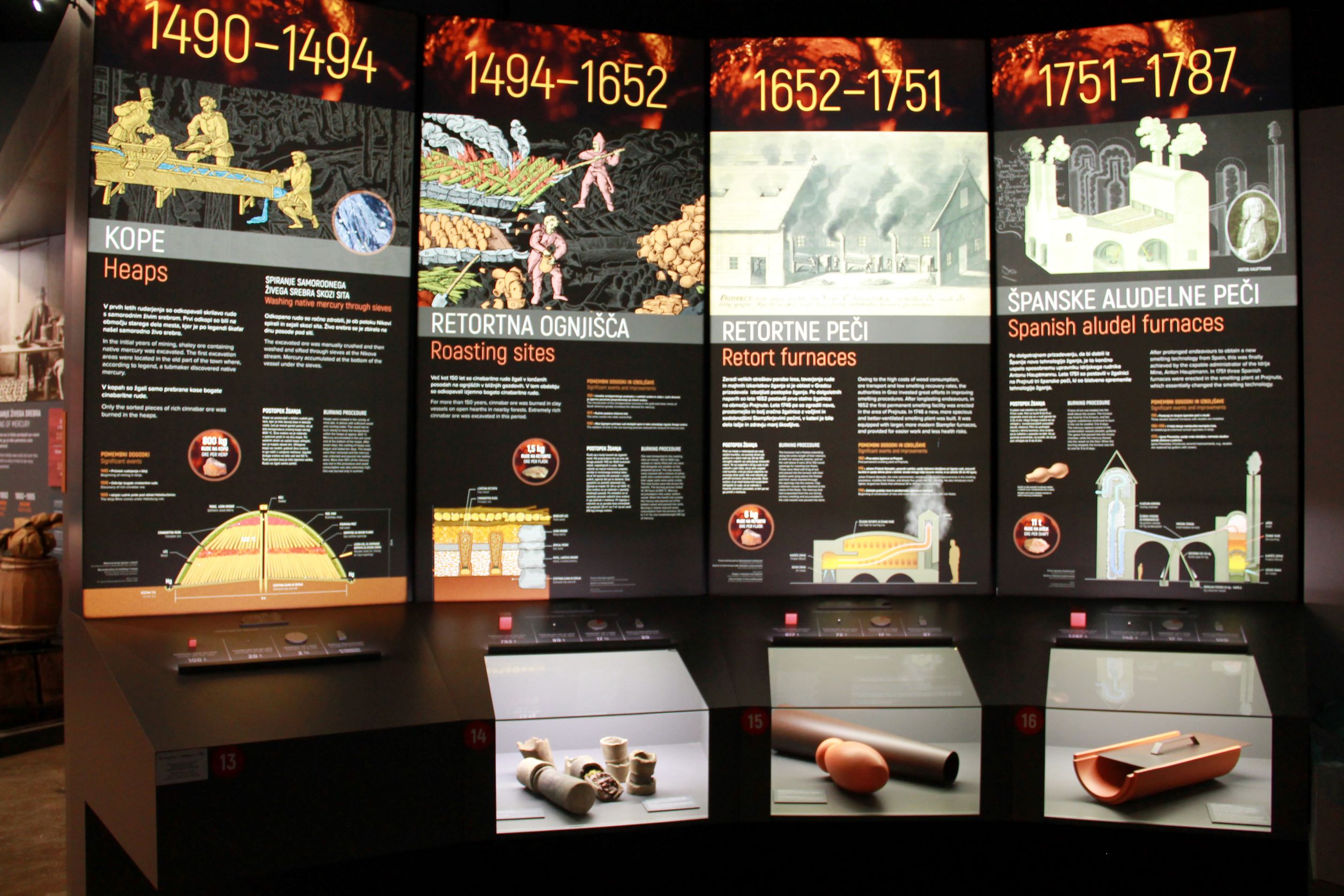
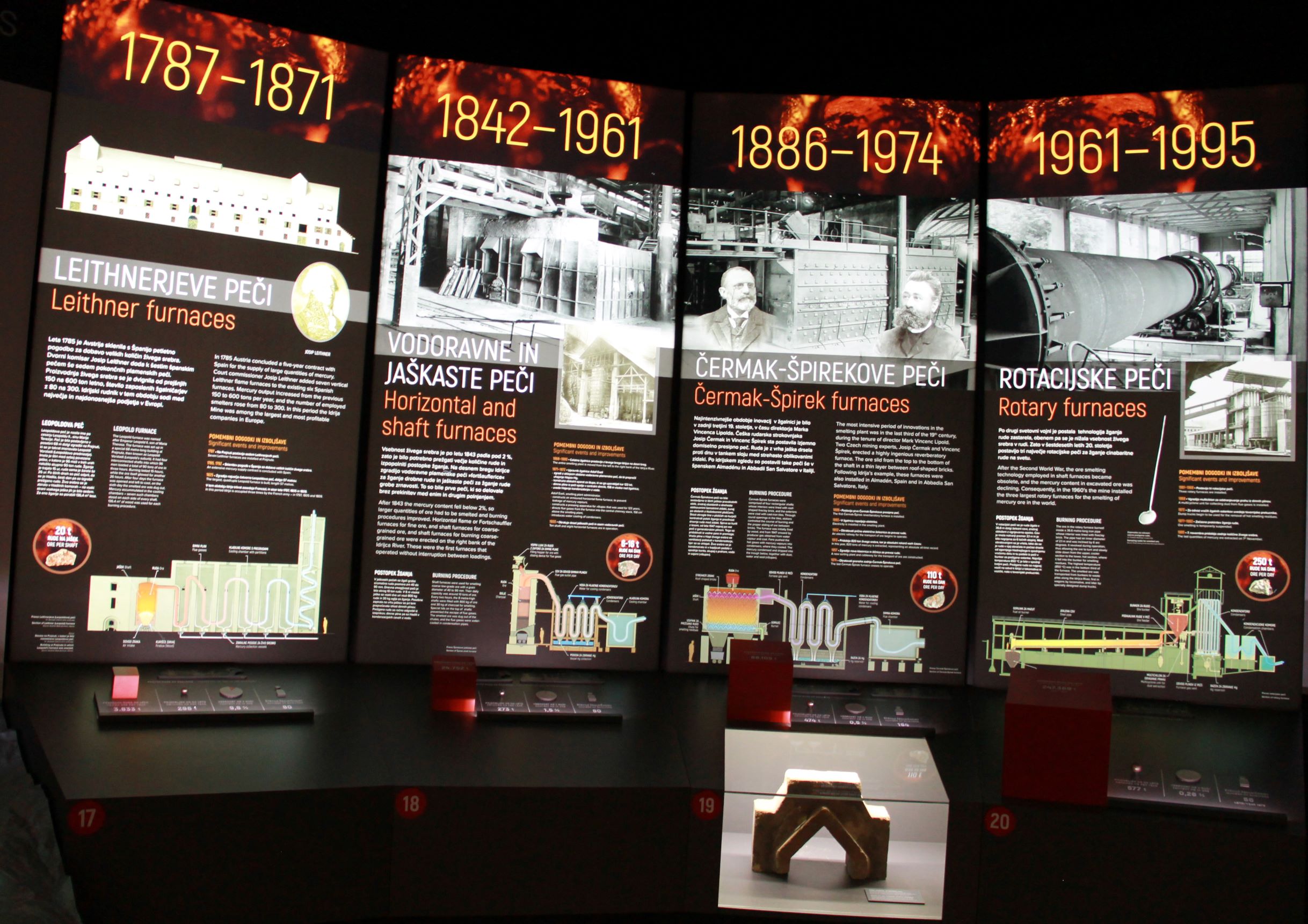
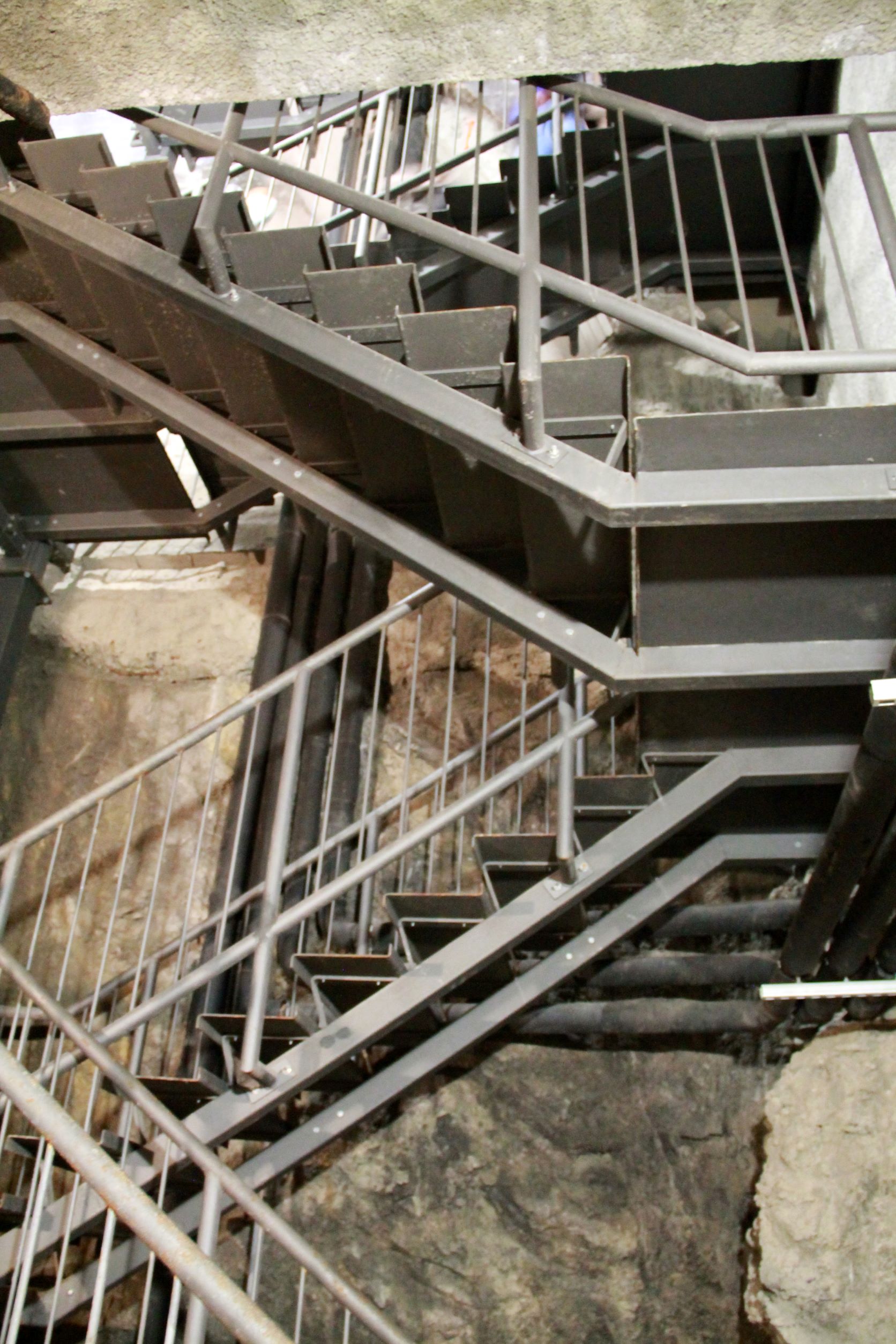
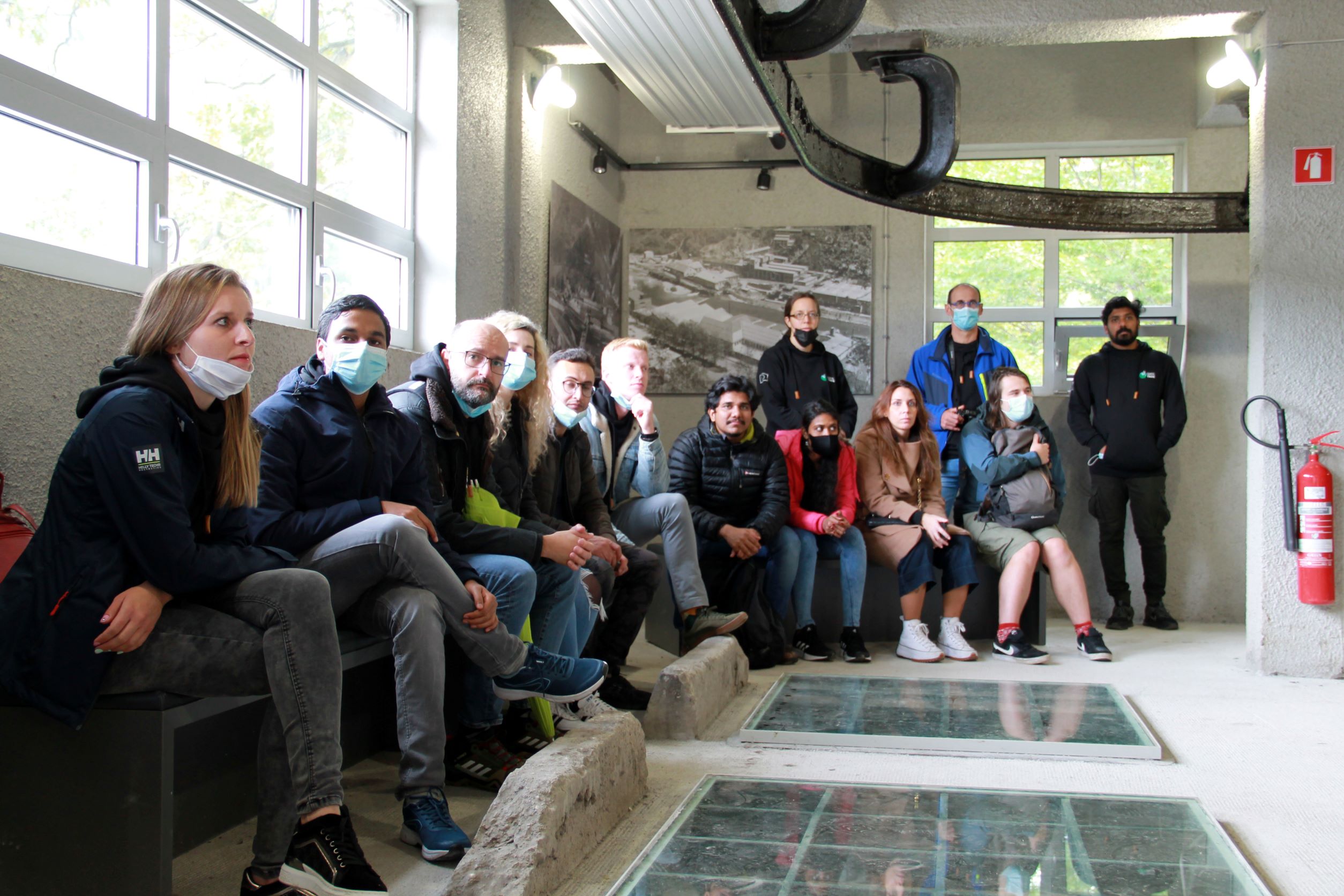
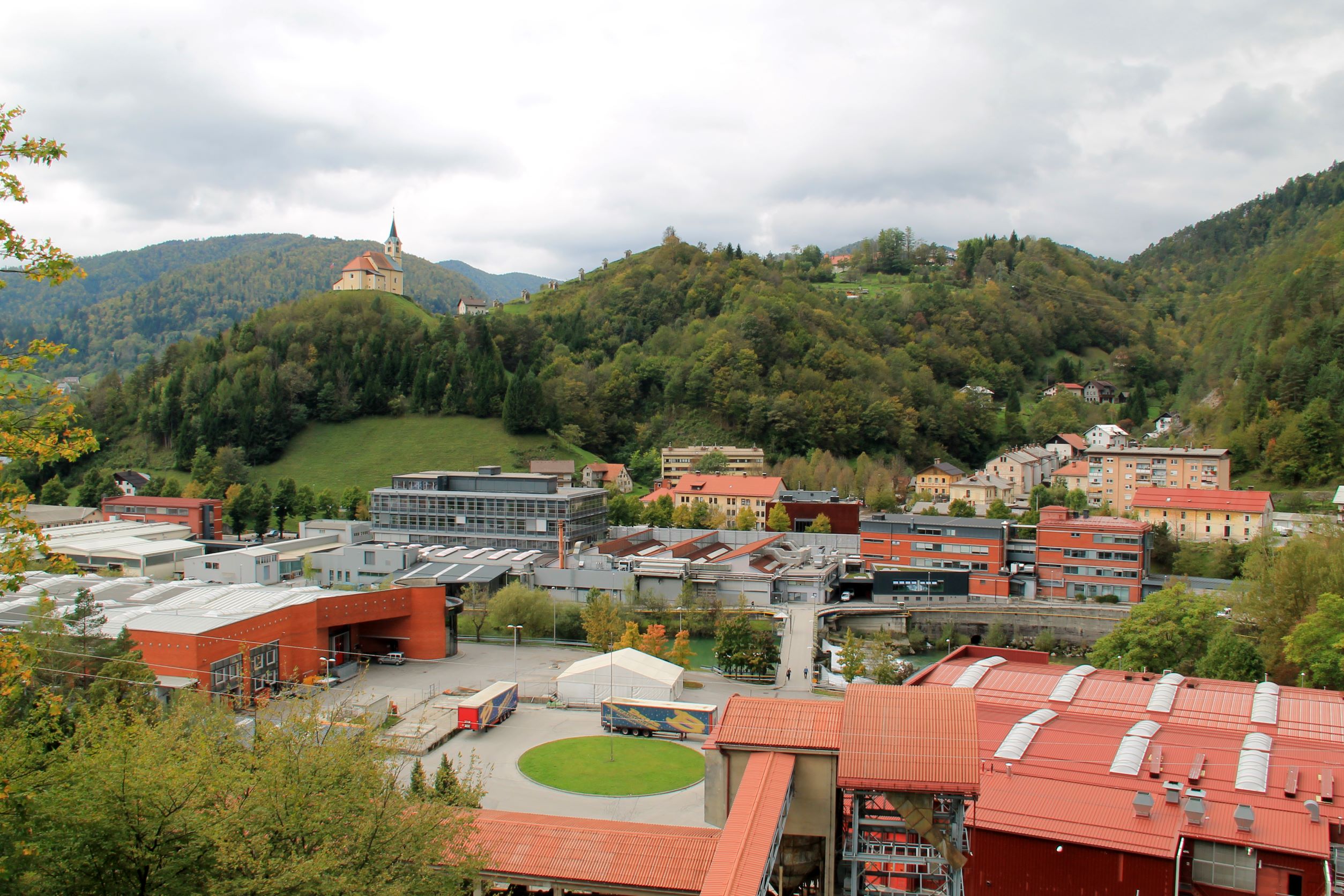
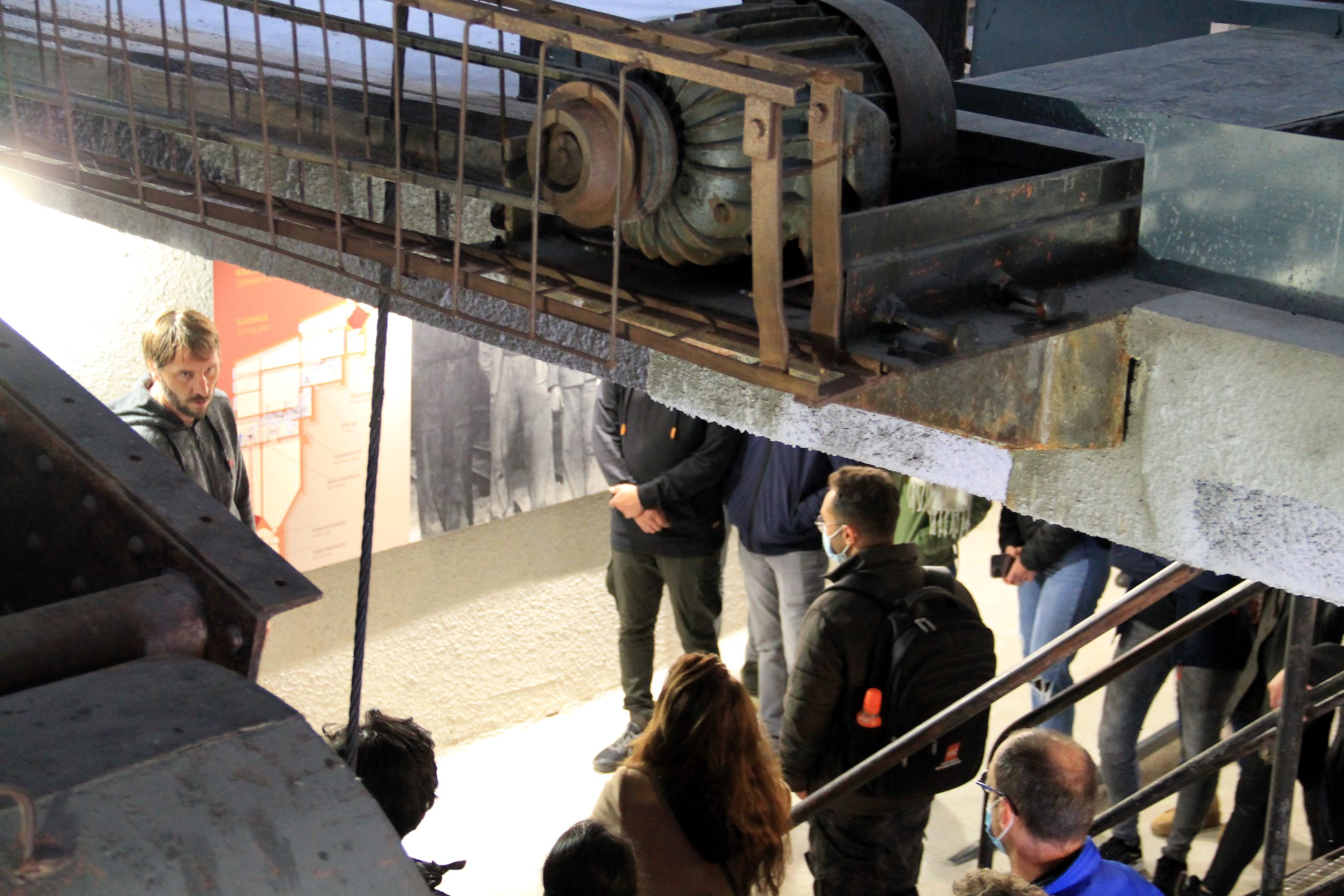
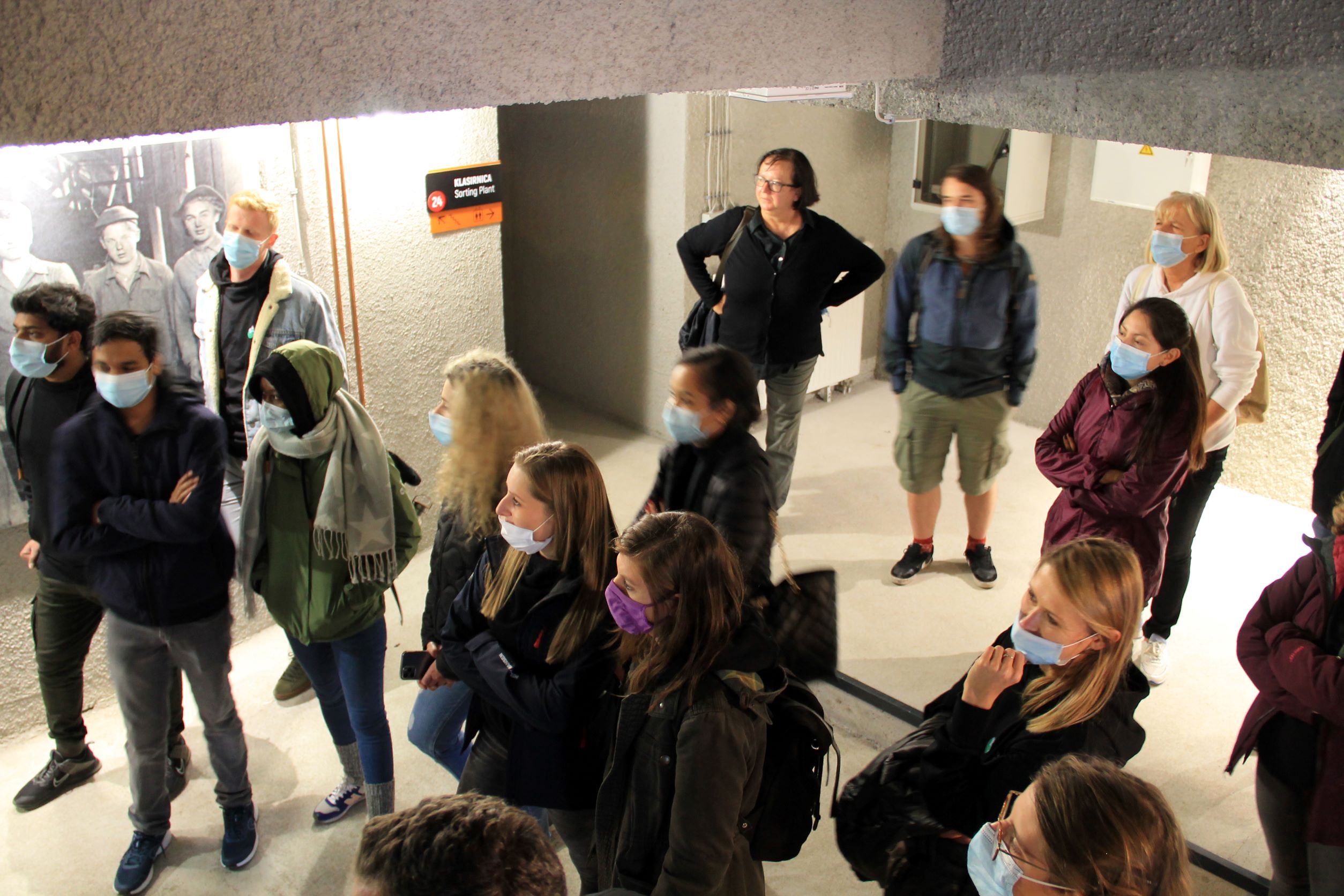
While I had a frequent visit to the town of Idrija, visiting the Idrija mine which is the world’s 2nd largest mercury mine in the world was a trip to remember. As part of the excursion after the conclusion of the mid-term check meeting held at Ljubljana, we visited the historic Idrija mine and got to know the extent of the mining activities during its 500 years of operation.
Just when we thought we might be able to make the most of the planned GMOS-Train events, we missed the chance to attend the winter school in-person in Grenoble. Nevertheless, the last one year has been mostly about arranging field works, preparing, and analyzing samples in the laboratory while attending virtual workshops, the best part was traveling for secondments and to attend conferences.
Between 22/05/2022 and 27/05/2022, I traveled to Vienna to attend the EGU 2022 at the Vienna Center Austria where I presented my work on the evaluation of sampling and sampling preparation methodologies for multielement analysis in foliar samples. This work was presented in the Session BG1.7 – Mercury cycling in the environment – sources, processes, impacts, and archives from local to global scales. Besides this I had the chance to interact with fellow researchers and received valuable comments on my work. Other parallel sessions were also attended of which sessions on mercury biogeochemistry, forest ecosystem dynamics and soil sciences were of relevant interest. This opportunity was valuable for exchanging research ideas with other researchers working in the related field and for getting prepared for present research outcomes in the upcoming conferences.
Next up, the international postgraduate school of Jozef Stefan institute organized a 3-day student conference in the beautiful town of Kamnik Slovenia, just half an hour drive from Ljubljana. The conference was a great opportunity to meet fellow students some of whom we met in person for the first time. Some interesting research studies were presented, and I also got plenty of feedback on the work I presented at the conference. In fact, ideas for some collaborative works were also brought up during the discussion.
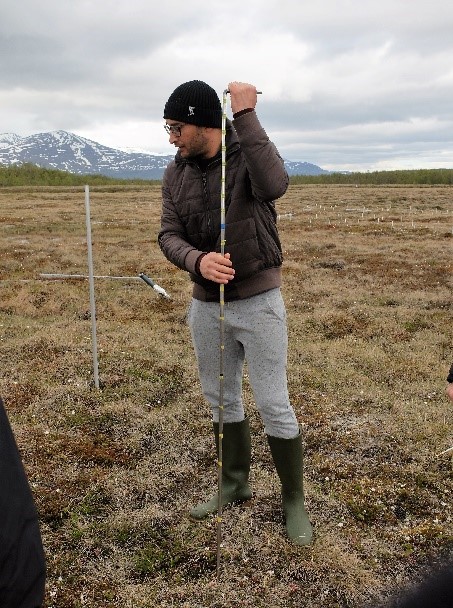
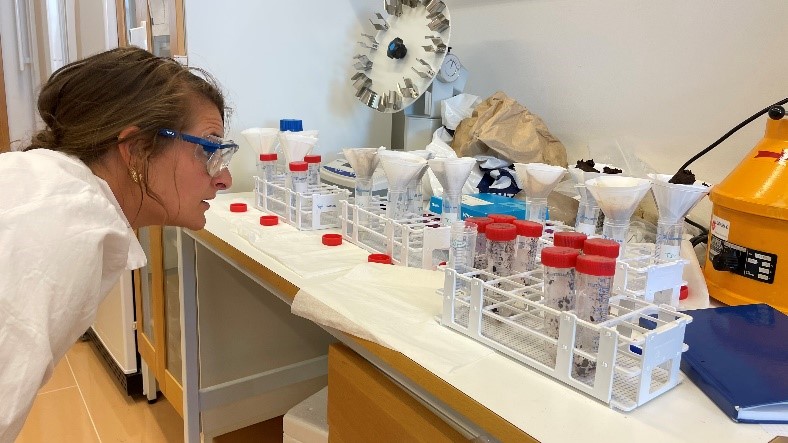
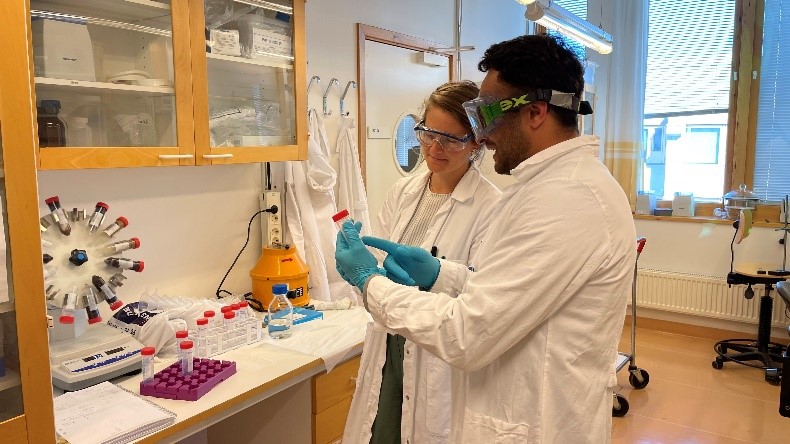
The highlight of the last year was our visit to the Abisko Scientific Research Station in the arctic circle for the GMOS-Train mid-term meeting. I also accompanied ESR 8 during her visit to the permafrost sites although much of the fieldwork was constrained by COVID-19-related issues. I then extended my stay for another two weeks in Stockholm to learn the extraction and analysis of fluorescent Dissolved Organic Matter (fDOM) from soil samples at the Department of ACES, Stockholm University. fDOM was then measured using Horiba Aqualog fluorometer along with analysis of THg and MeHg in the extracts. The aim is to study the interaction between dissolved Hg fractions and DOM during litterfall degradation processes. Soil samples collected bi-monthly from the mesocosm plots will be extracted and prepared for fDOM analysis in the coming months.




Charikleia Gournia and Johannes Bieser at HTAP
GMOS-Train researchers presented their successful work at HTAP event on Global Emissions and Modeling.
Global Emissions and Modeling of Mercury – HTAP

Online sessions on mercury science, pollution and waste
This June, three key sessions will take place online to focus on mercury science, pollution and waste. A hybrid session on Thursday 9 will be held as a side event during the BRS Conference of the Parties in Geneva, while two digital sessions (Tuesday 14 and Thursday 30) will be part of Minamata Online. Read below to learn more and register.
14 June: Minamata Online on "Environmental and socio-economic impacts of mercury pollution"
On Tuesday 14 (15h00-17h00 CEST), this Minamata Online session will review the state of knowledge on the impacts of mercury pollution on biodiversity and livelihoods, and explore the applicability of economic tools to support mercury-related policies and national efforts to implement the Minamata Convention in connection with wider sustainable development goals. Learn more and register to the WebEx event here.
|

Statistical data analysis with the scripting langugae R (part 2)
Join GMOS-Train Training Course “Statistical data analysis with the scripting language R”, February 14th-18th 2022, by Dr. Armin Aulinger

1 Part one
1.1 Creating and handling data in R
• variables, arrays and matrices
• mathematical operations
• reading external data (csv, Excel)
• simple plots
1.2 General programming concepts
• loops (for, while, repeat)
• branching with “if” and conditional expressions
• functions in R
1.3 Simple statistics
• mean, median
• distributions (normal, log-normal)
• standard deviation
1.4 Testing
• Student’s t-test
• F-test
• non-parametric tests
2 Part two
2.1 Linear correlation
• Pearson’s correlation coefficient
• testing
• non-parametric
2.2 Timeseries
• Filtering
• Time series decomposition
• Auto correlation
2.3 Analysis of variance ANOVA
2.4 Principal Components Analysis PCA

GMOS-Train's speciaI session at ICMGP 2022.
Metrological Traceability for mercury analysis and speciation is a GMOS-Train session at ICMGP 2022. The call for abstracts is open!

GMOS-Train's special session at Goldschmidt 2022, Hawaii
Session 12c - Mercury biogeochemistry, transport, and transformations in the marine environment – filling key knowledge gaps in the frame of the Minamata convention, is organized by GMOS-Train.
Check out the welcomed research!

Mid-Term Check Meeting DAY 3
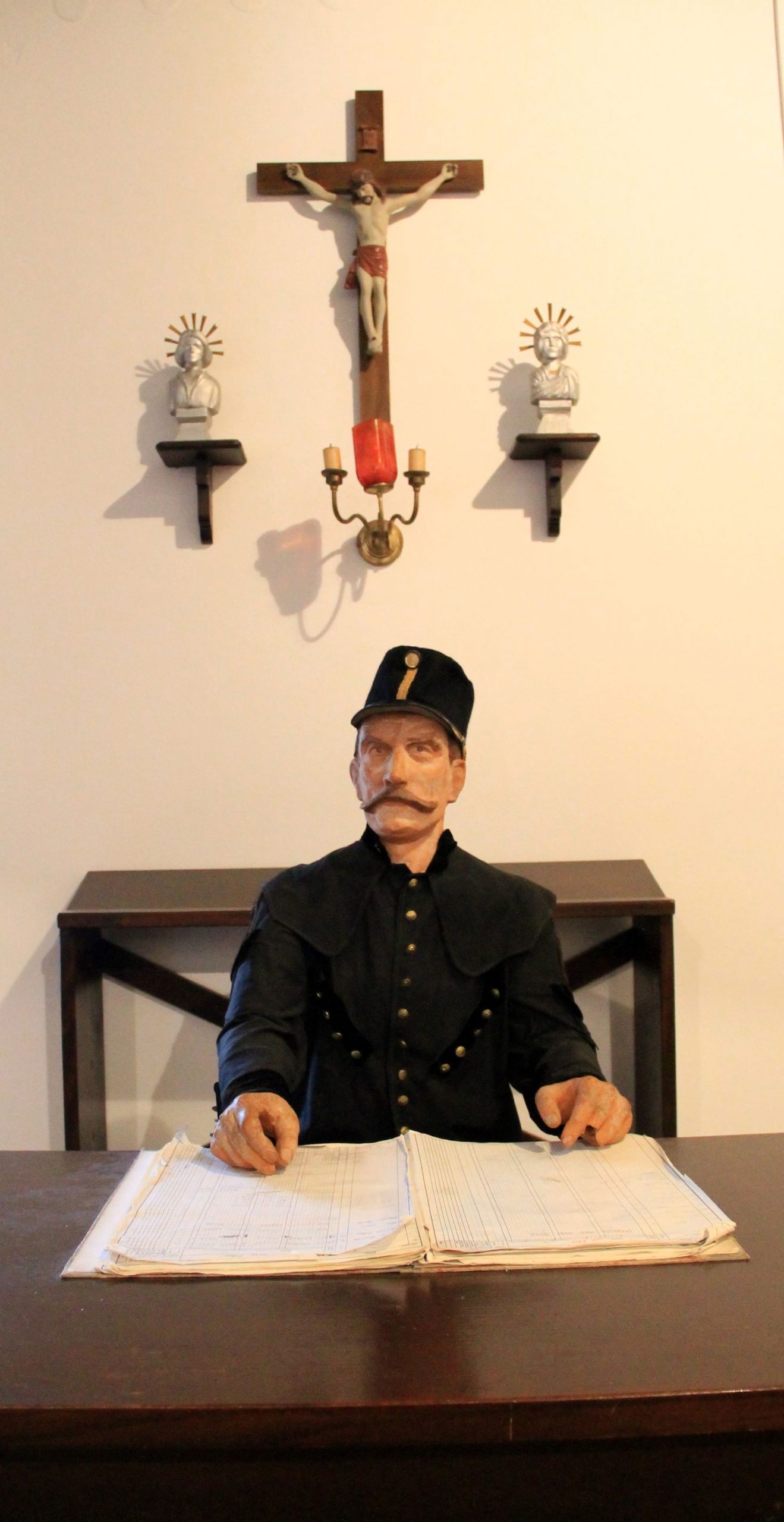
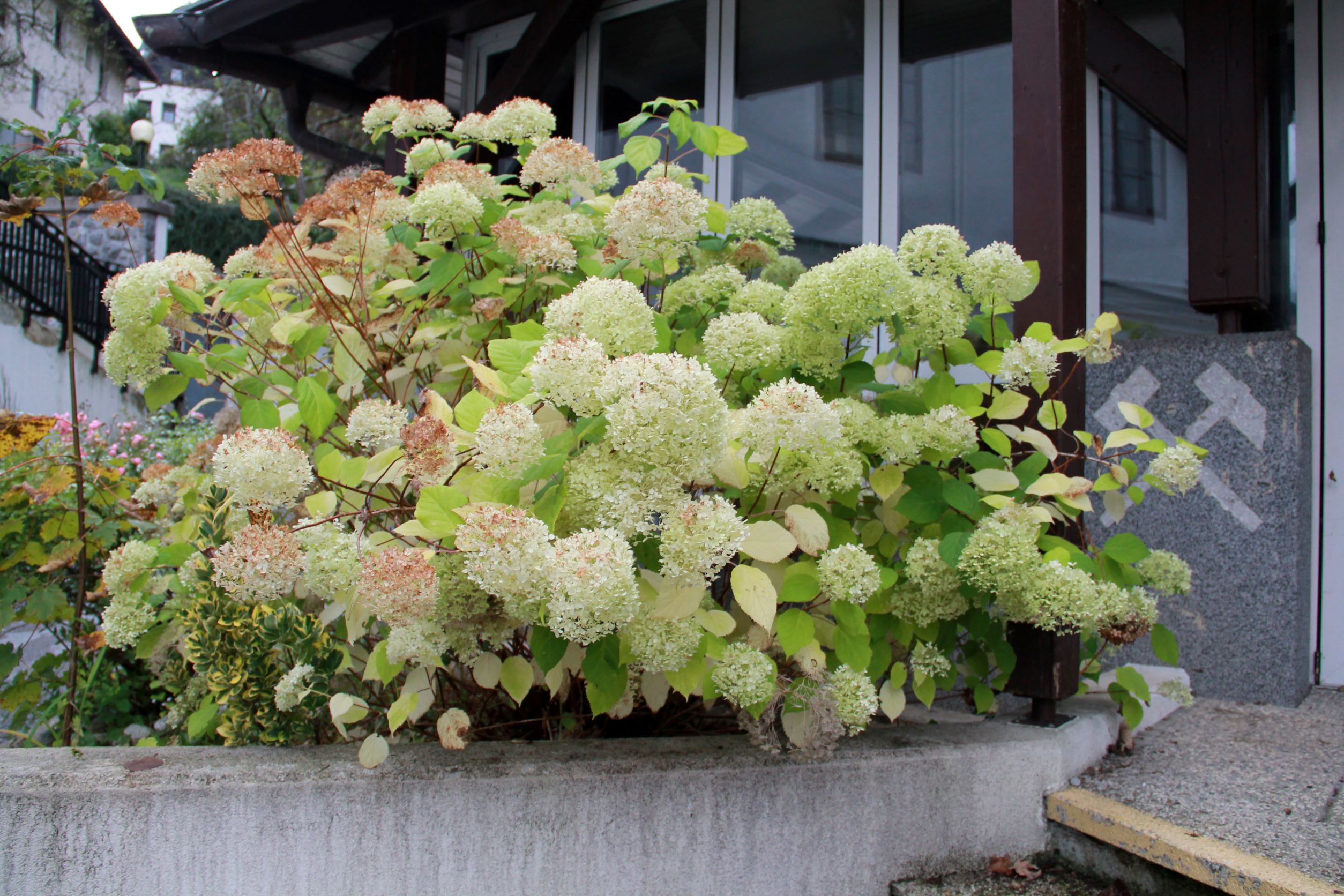
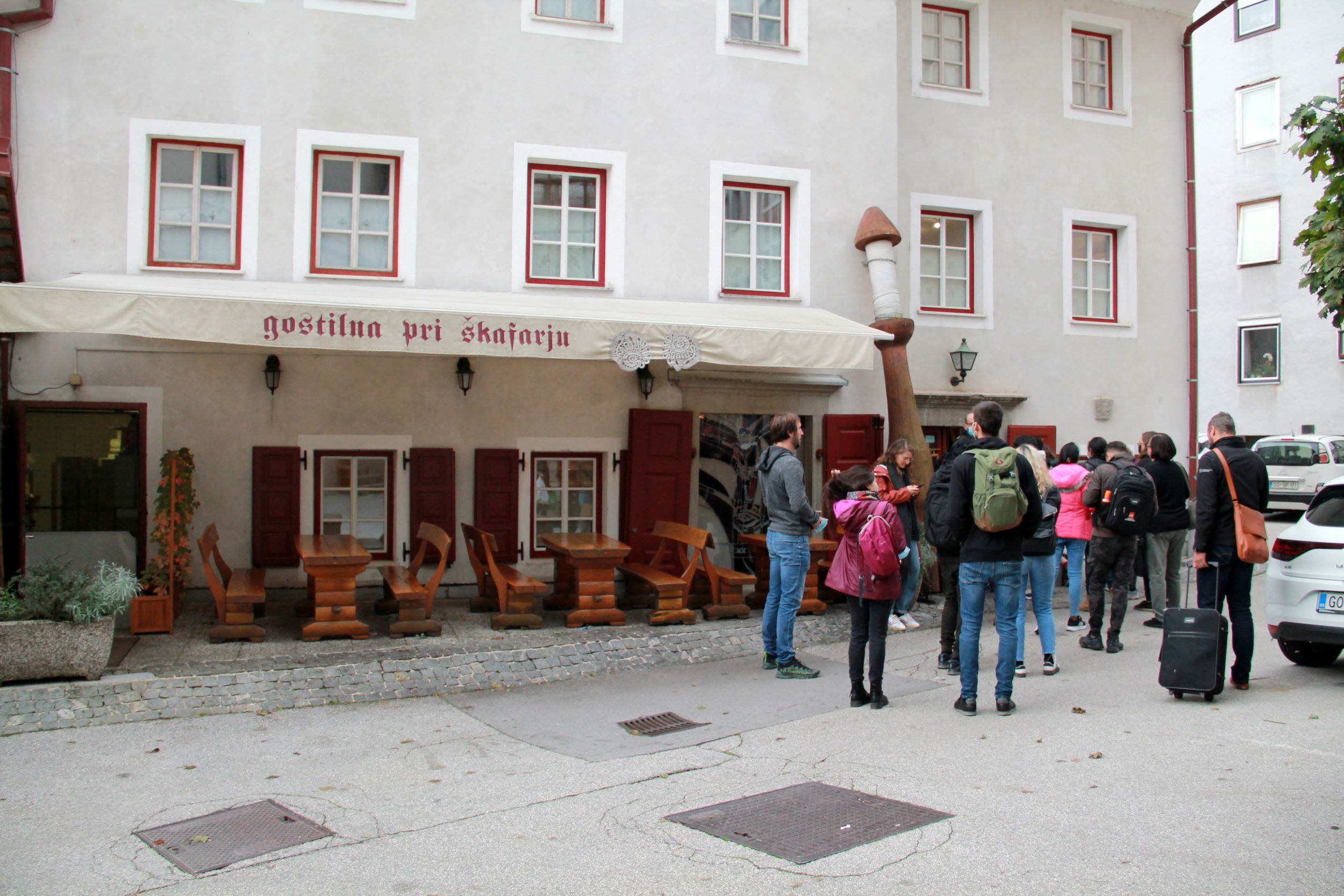
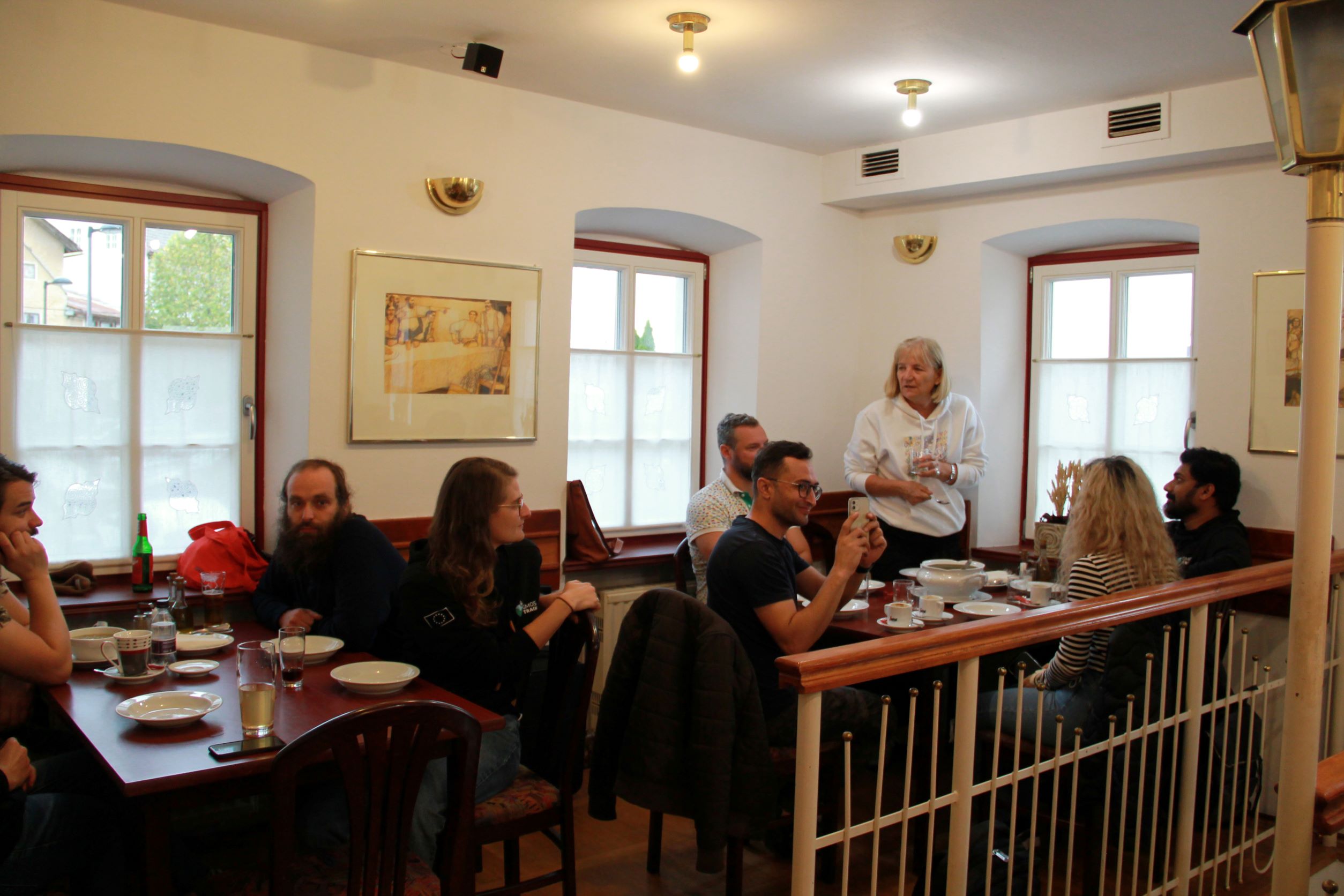
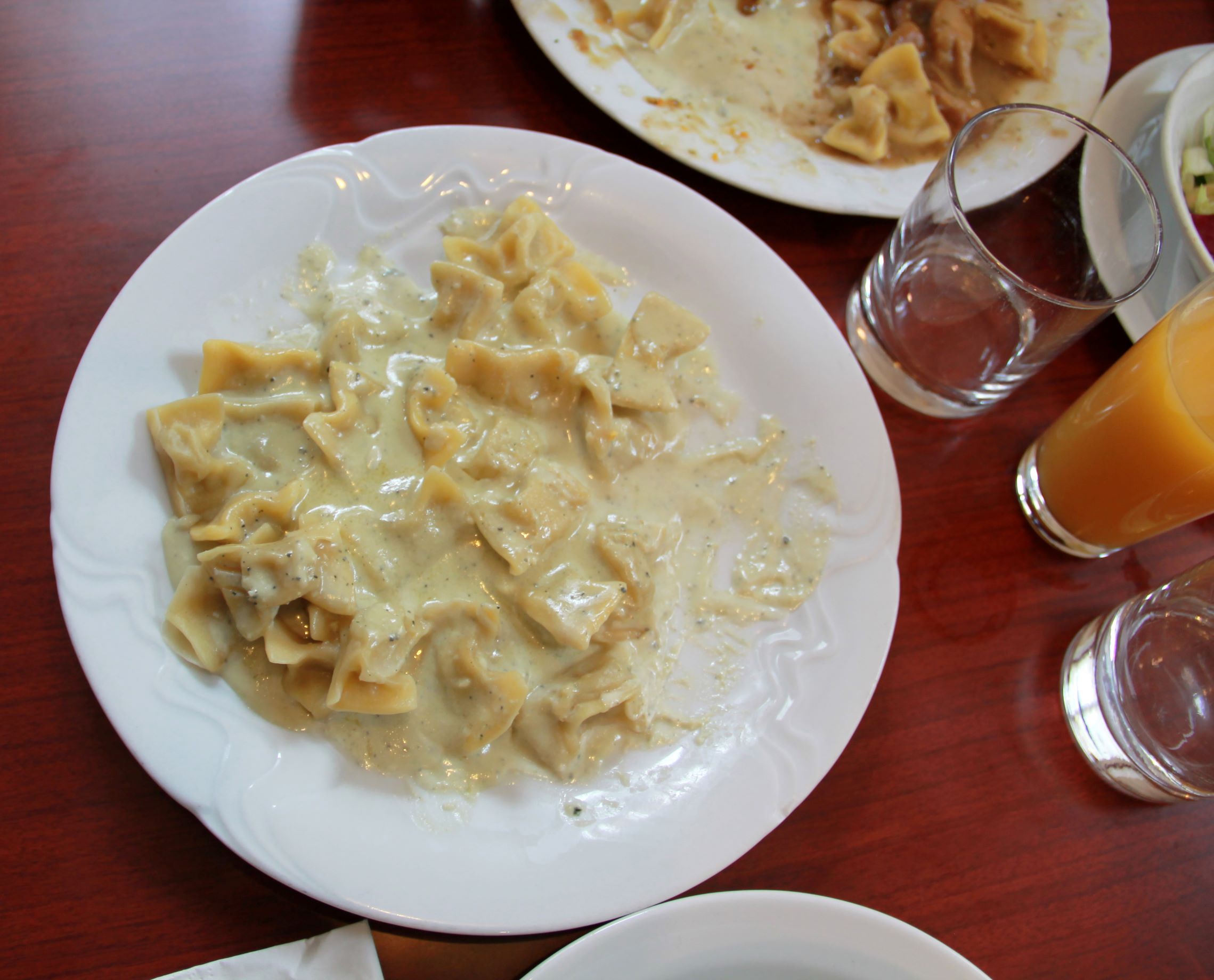
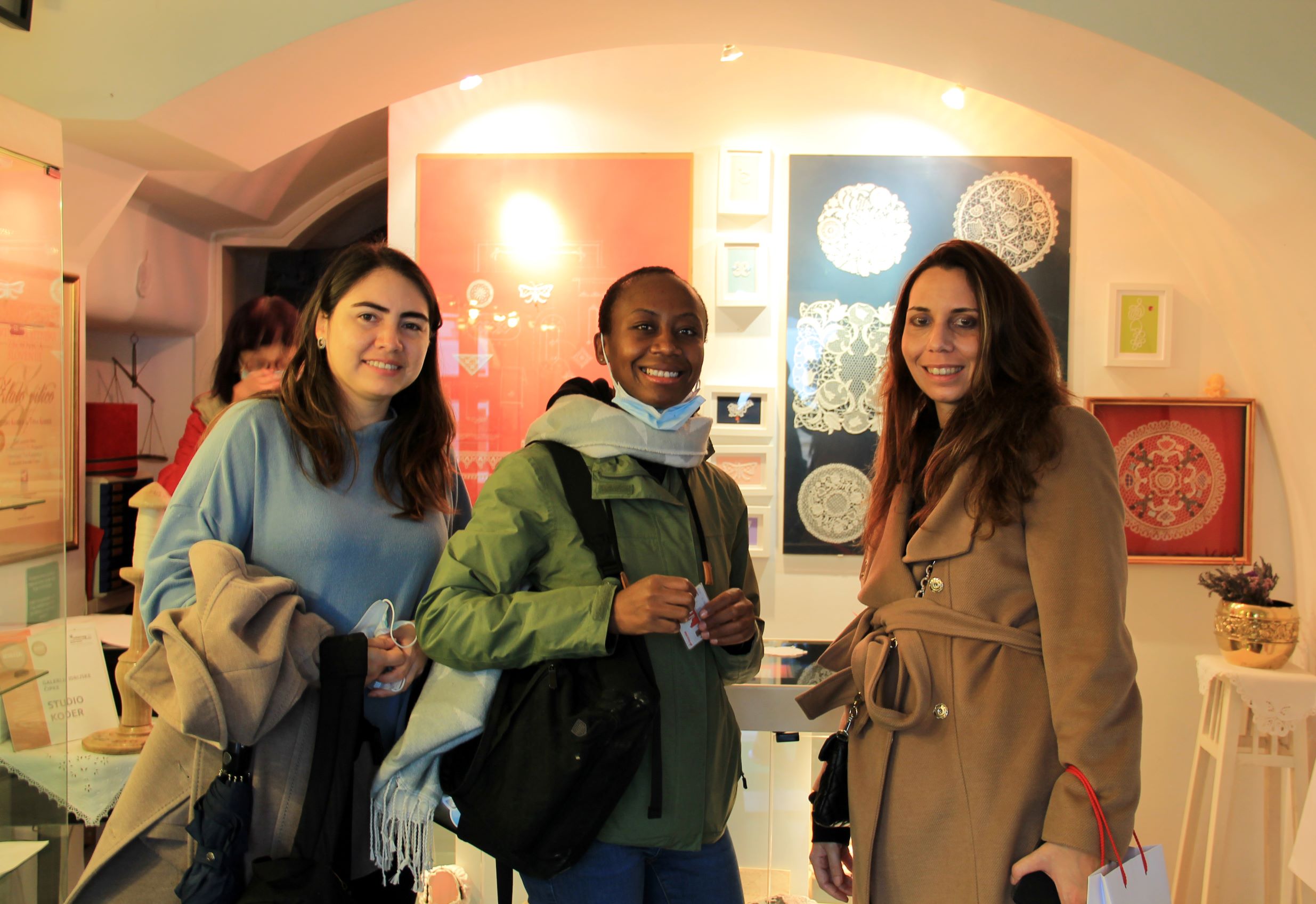
Field trip on the last day of GMOS-Train tree-day event in photos. Idrijaaaa!






























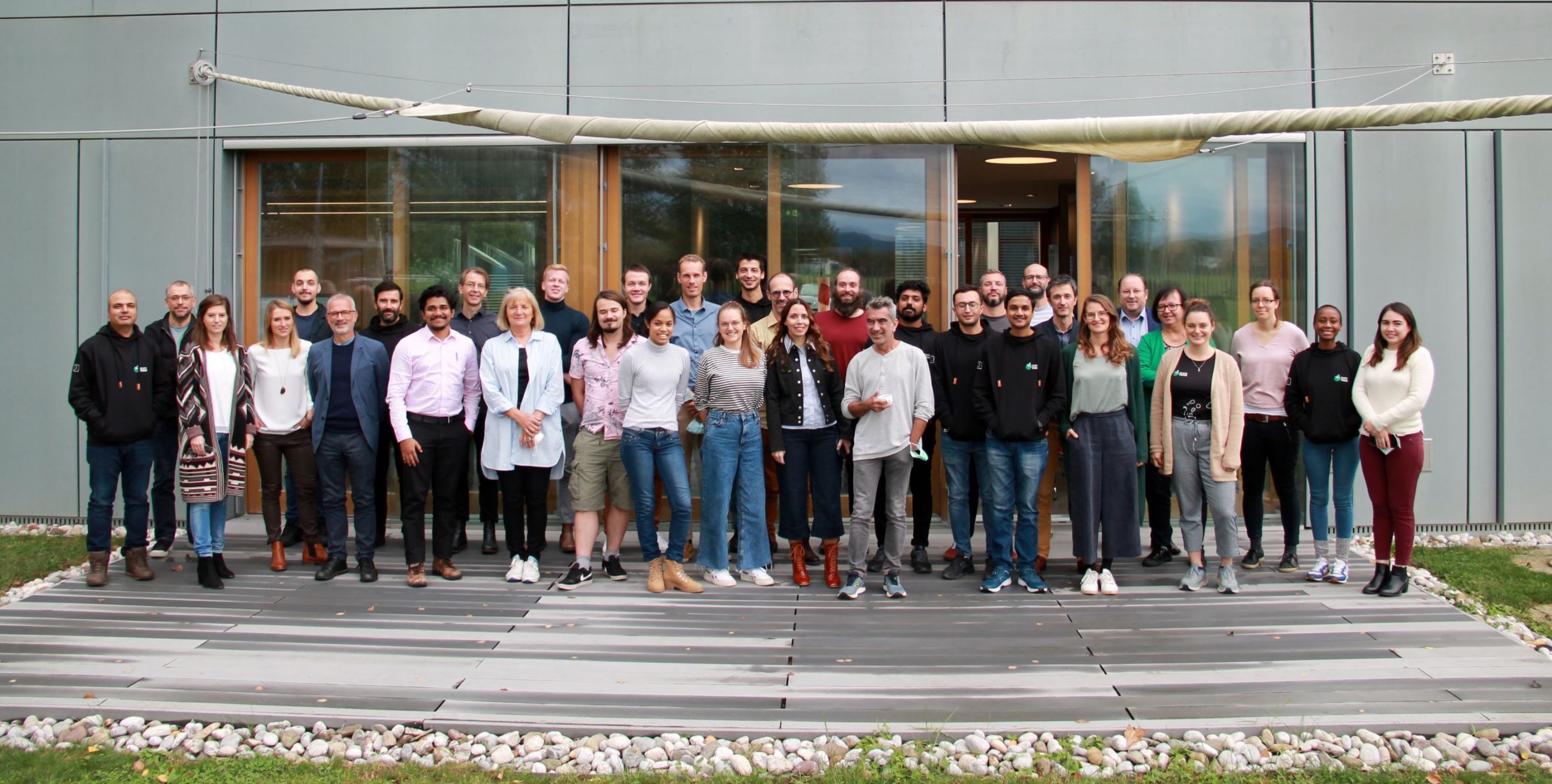




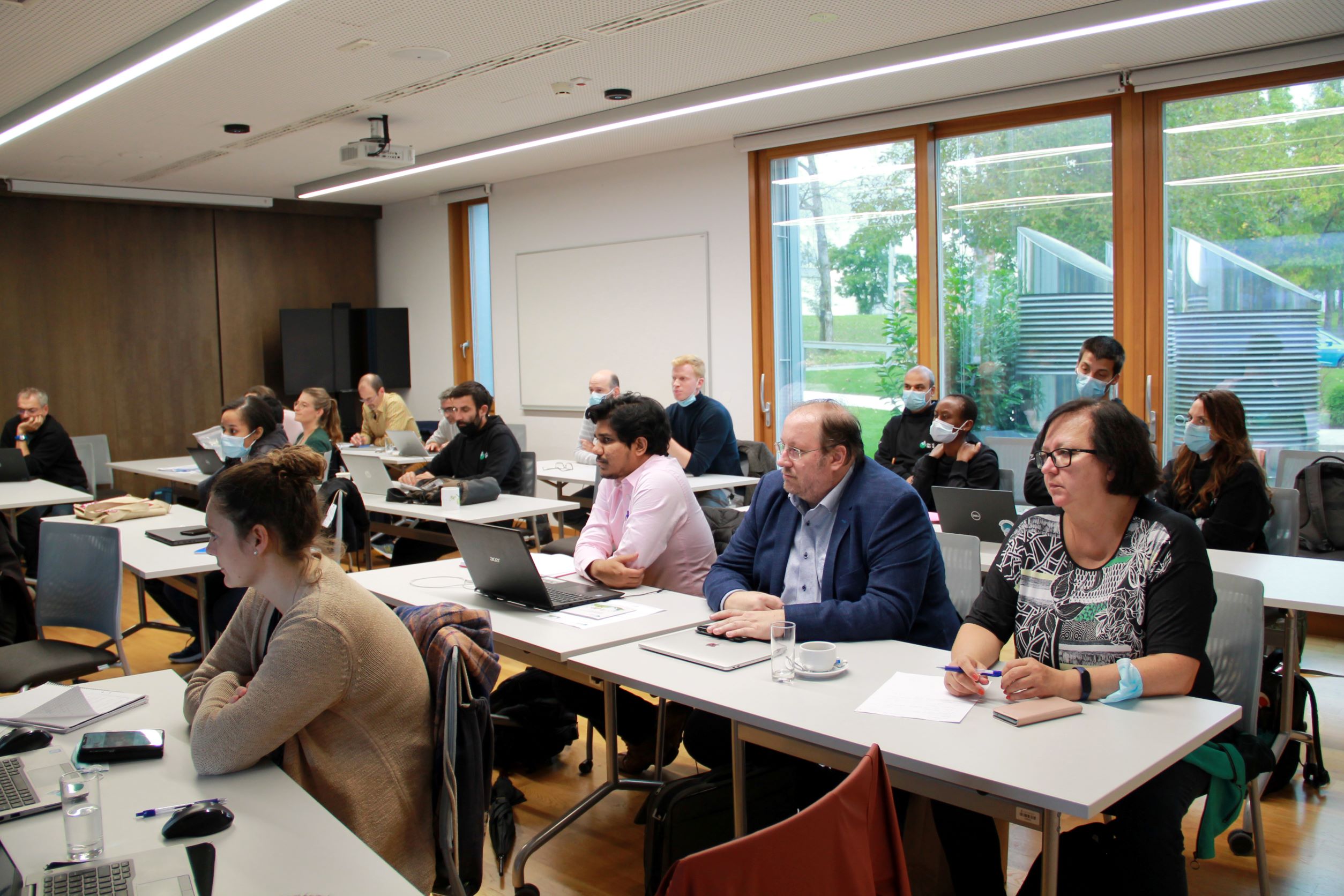


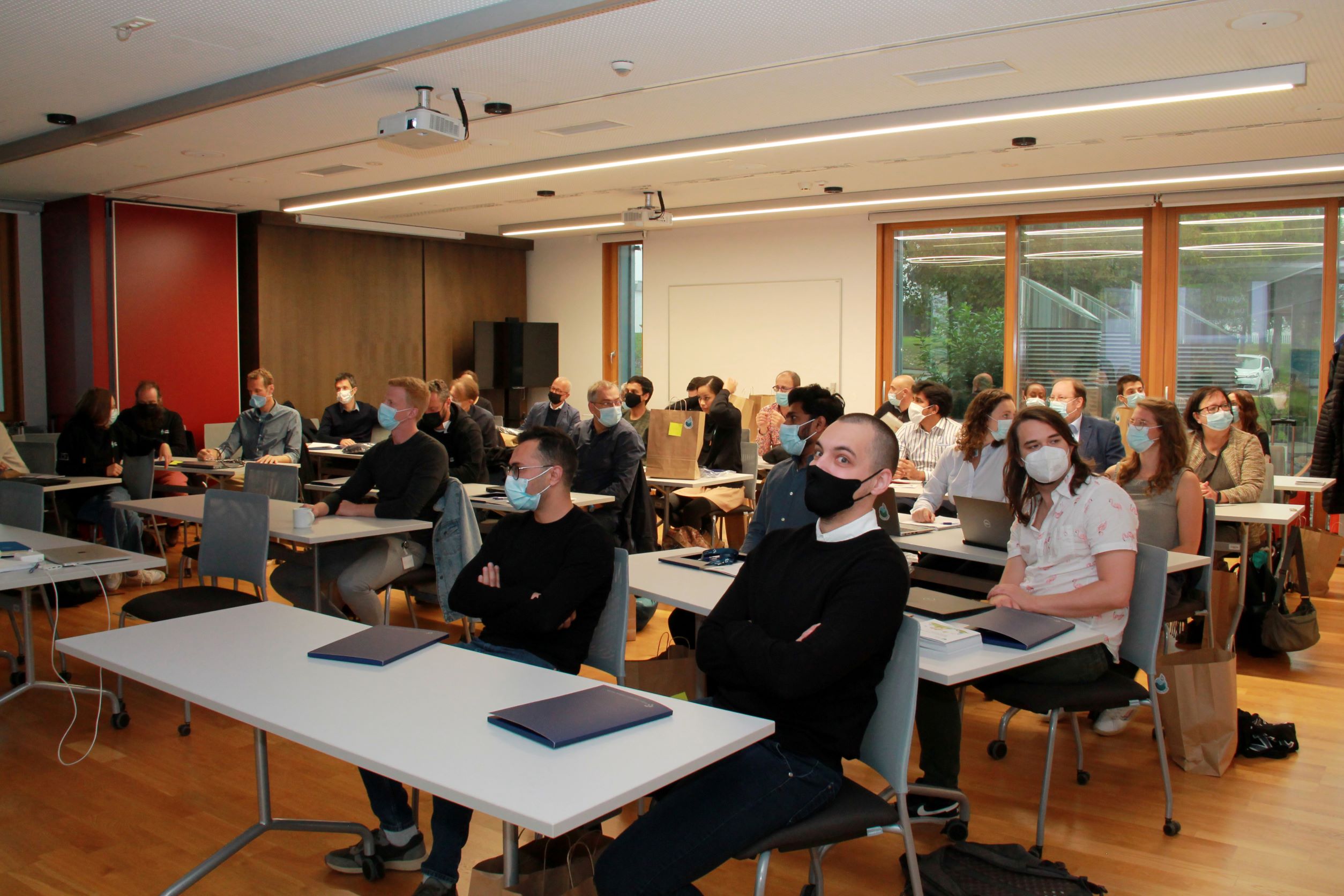
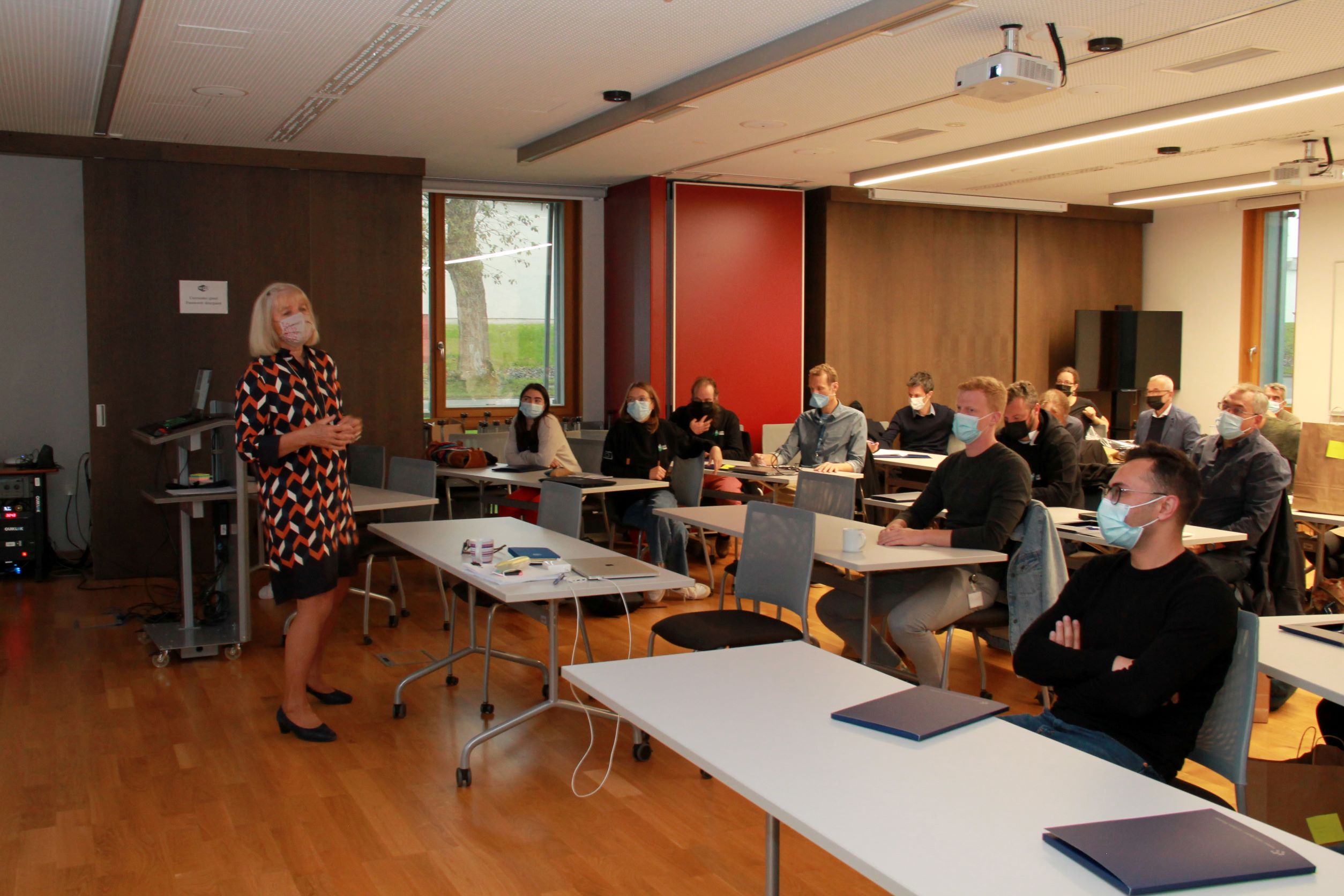
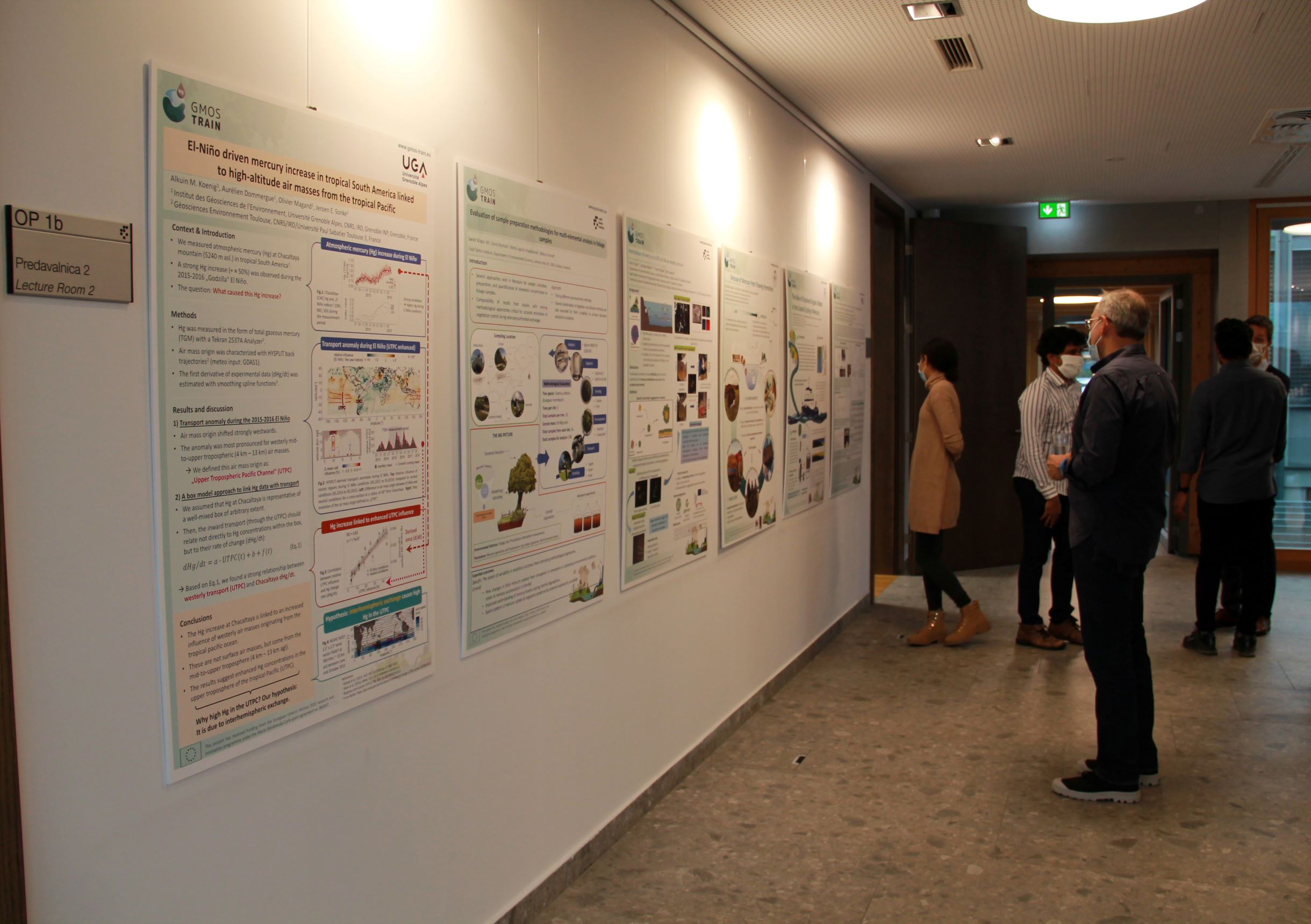
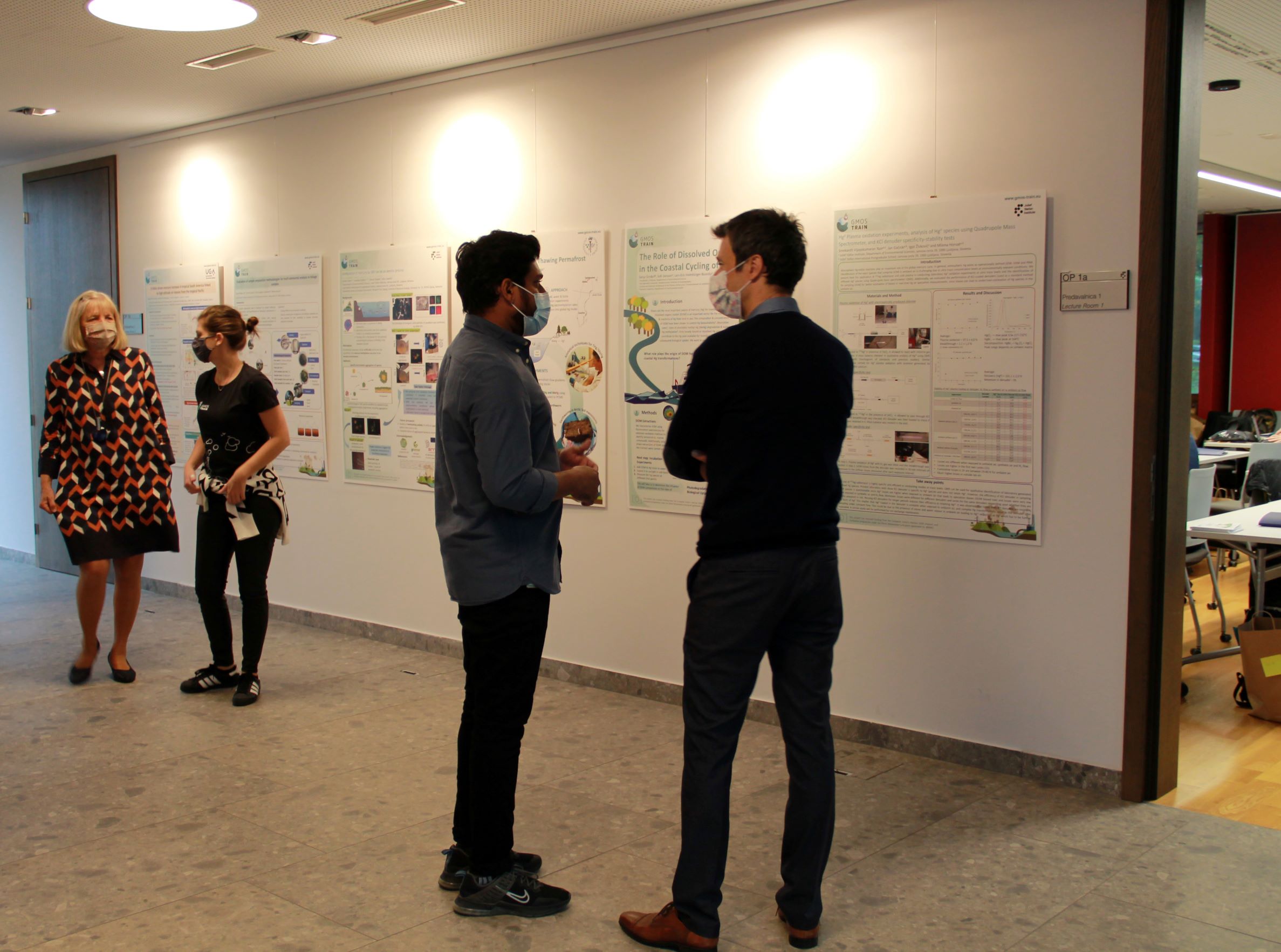
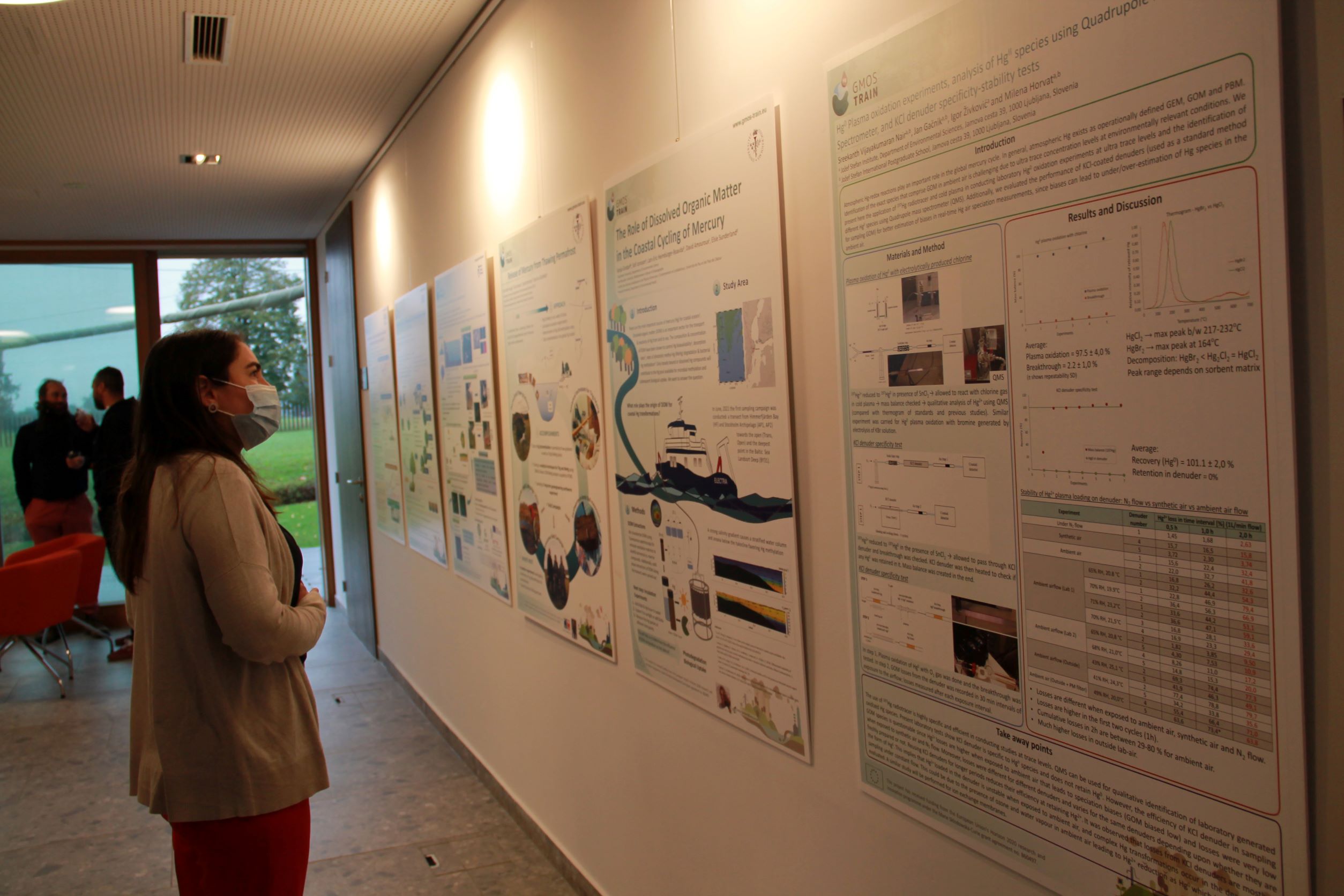
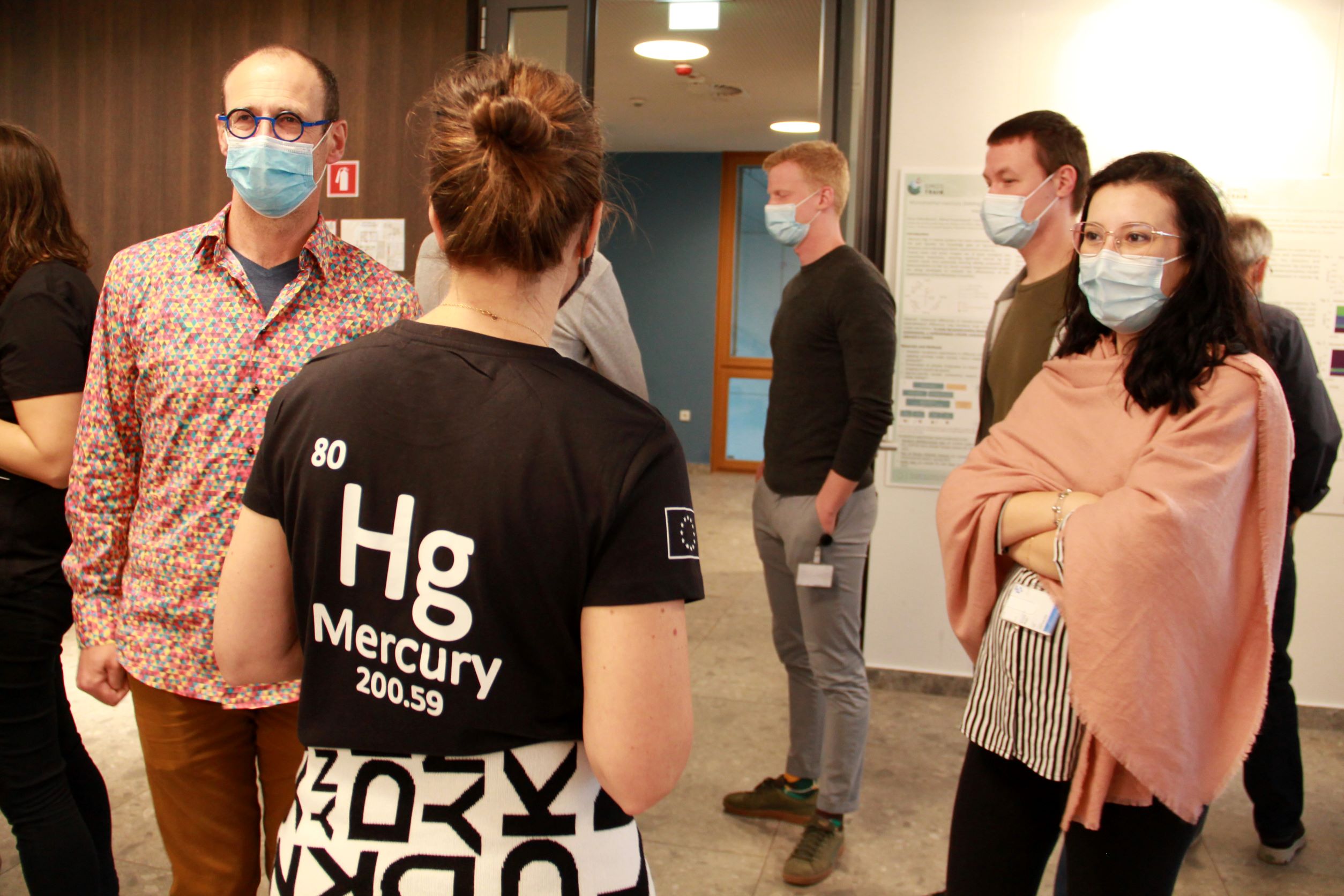
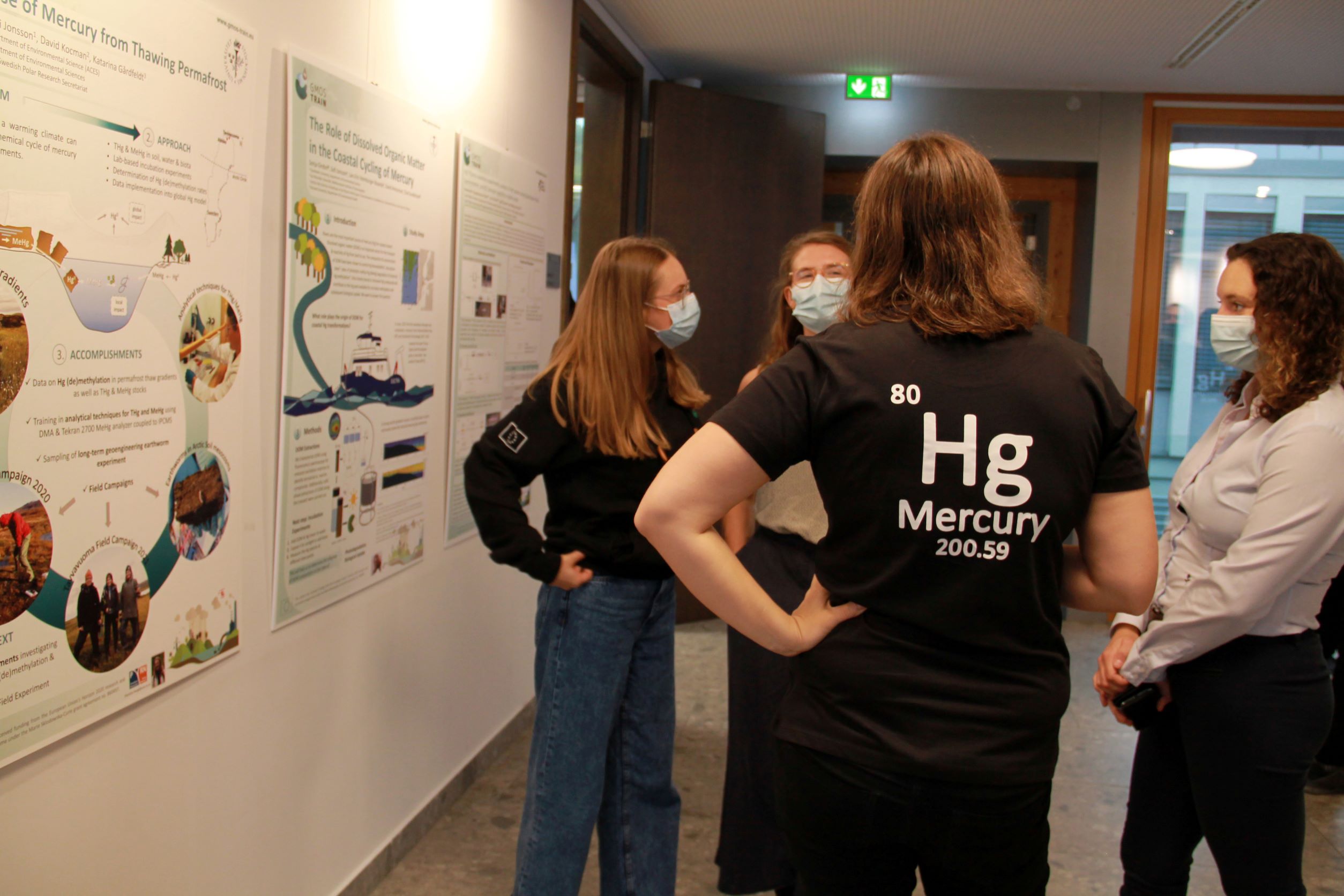
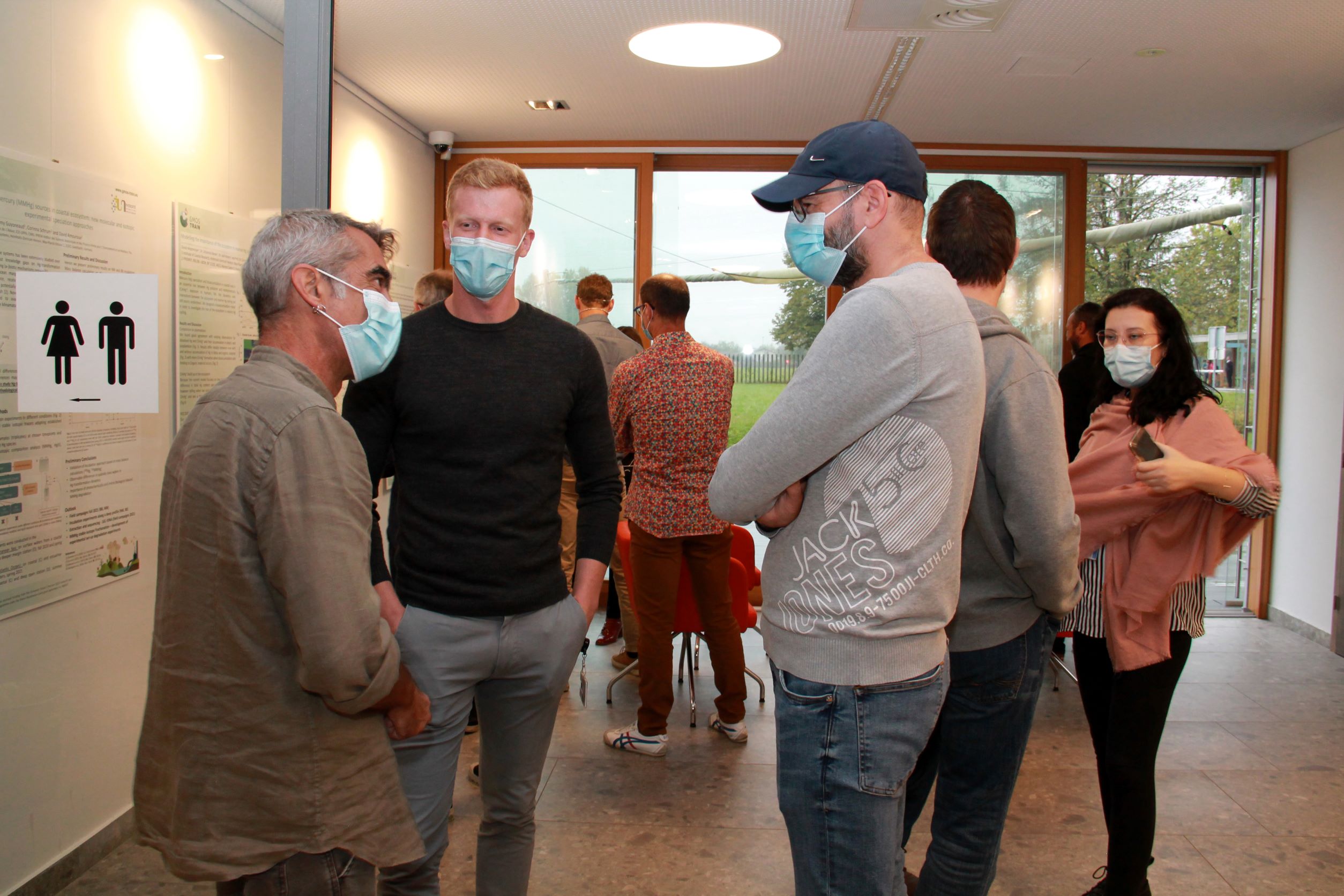
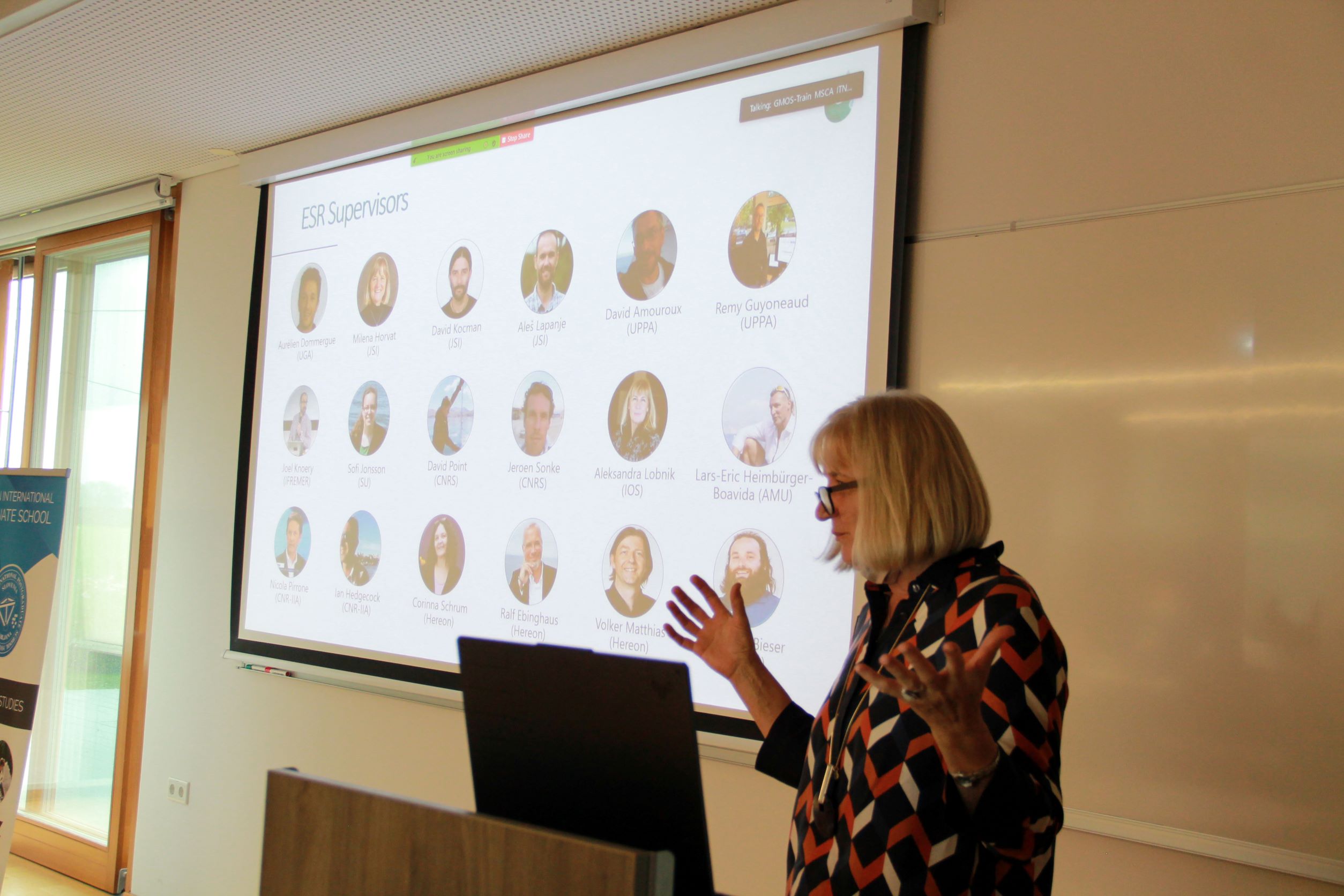
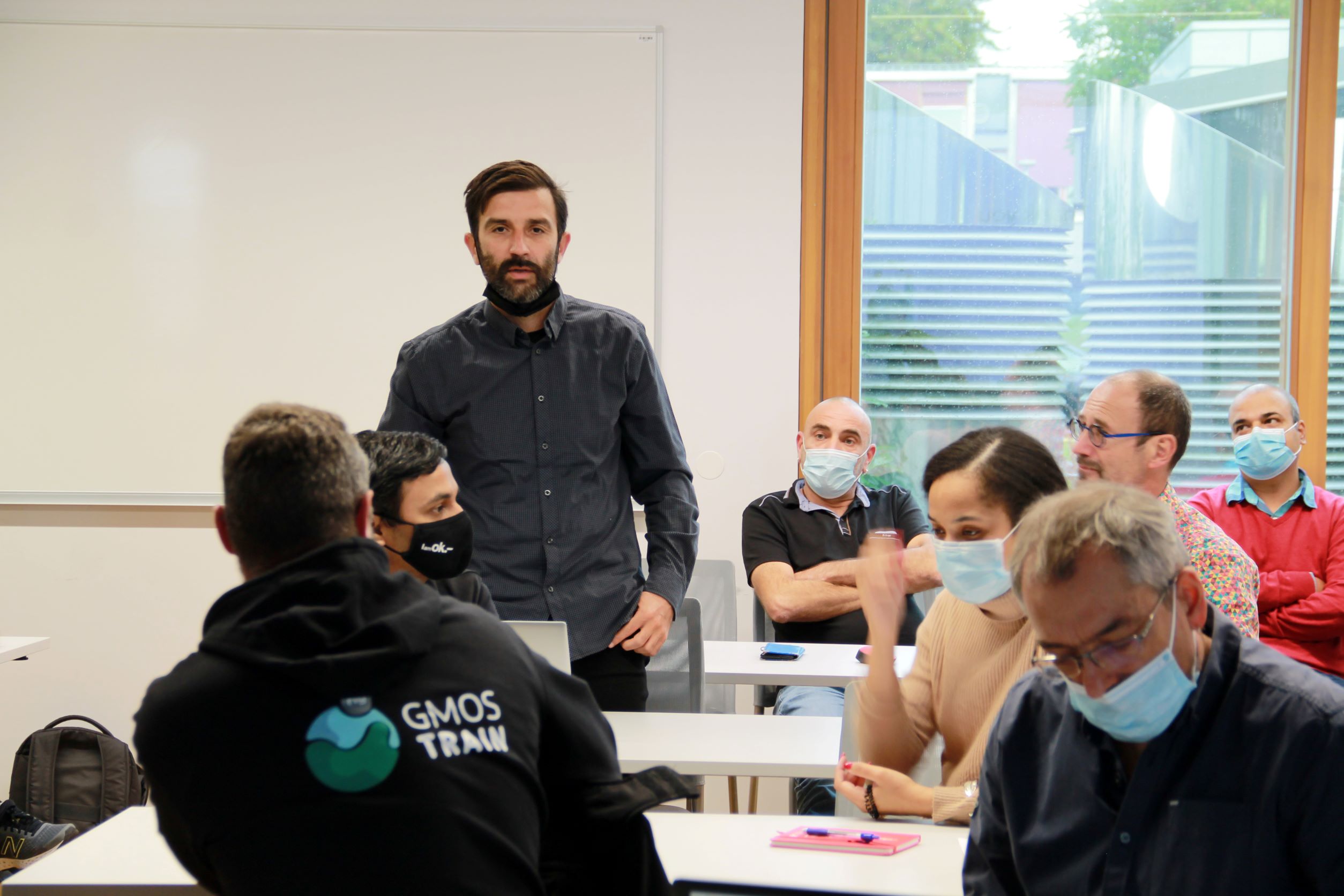
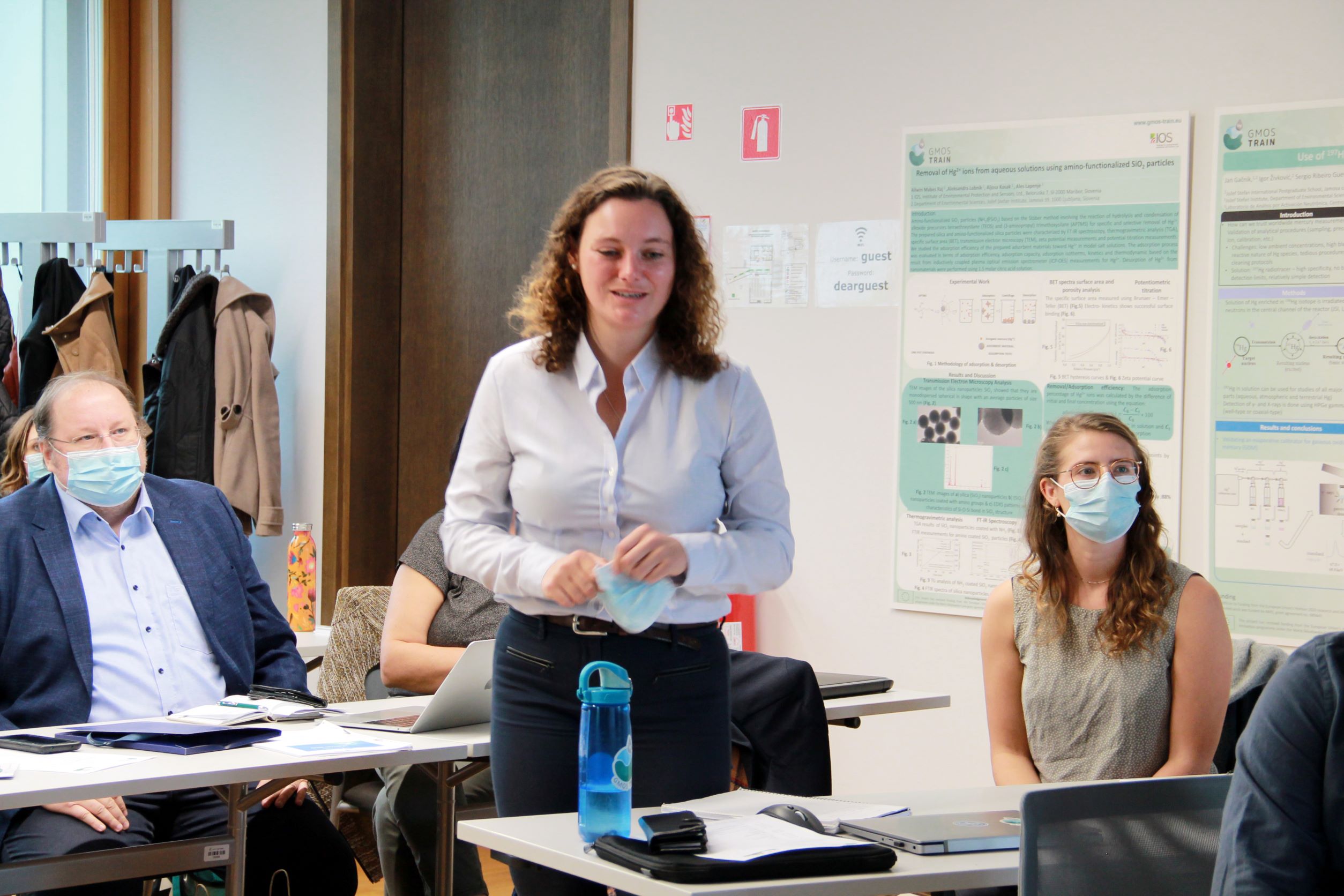
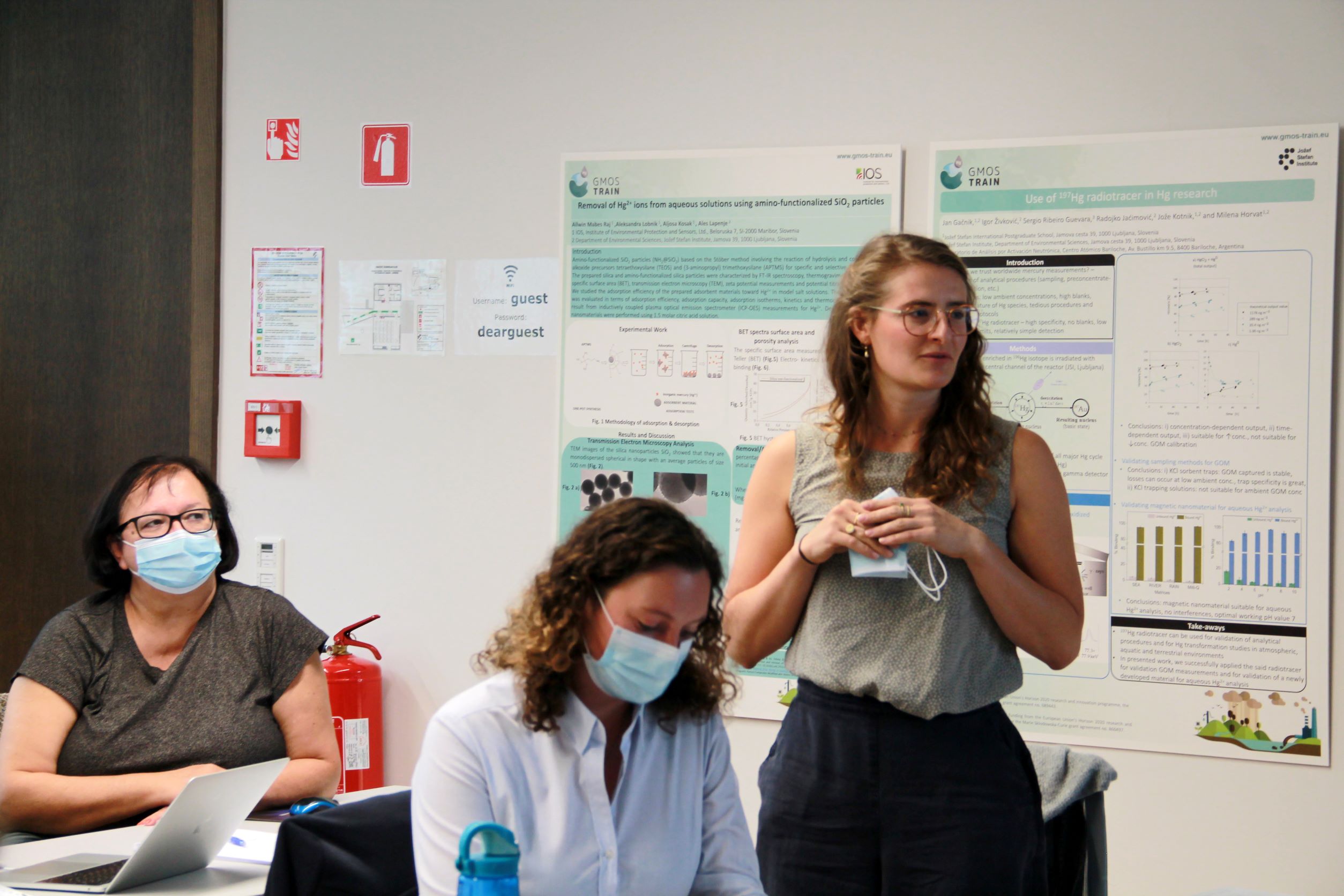
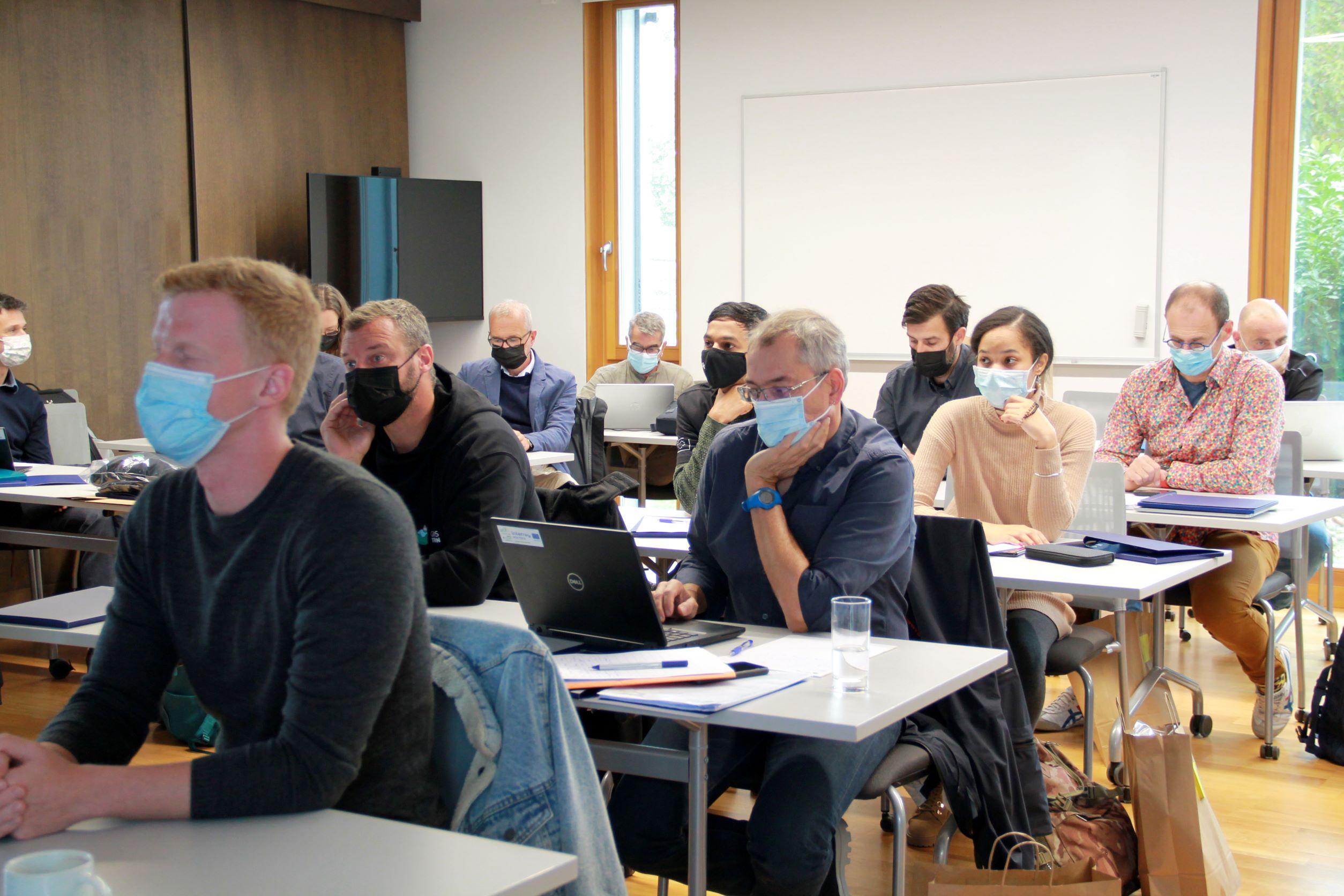
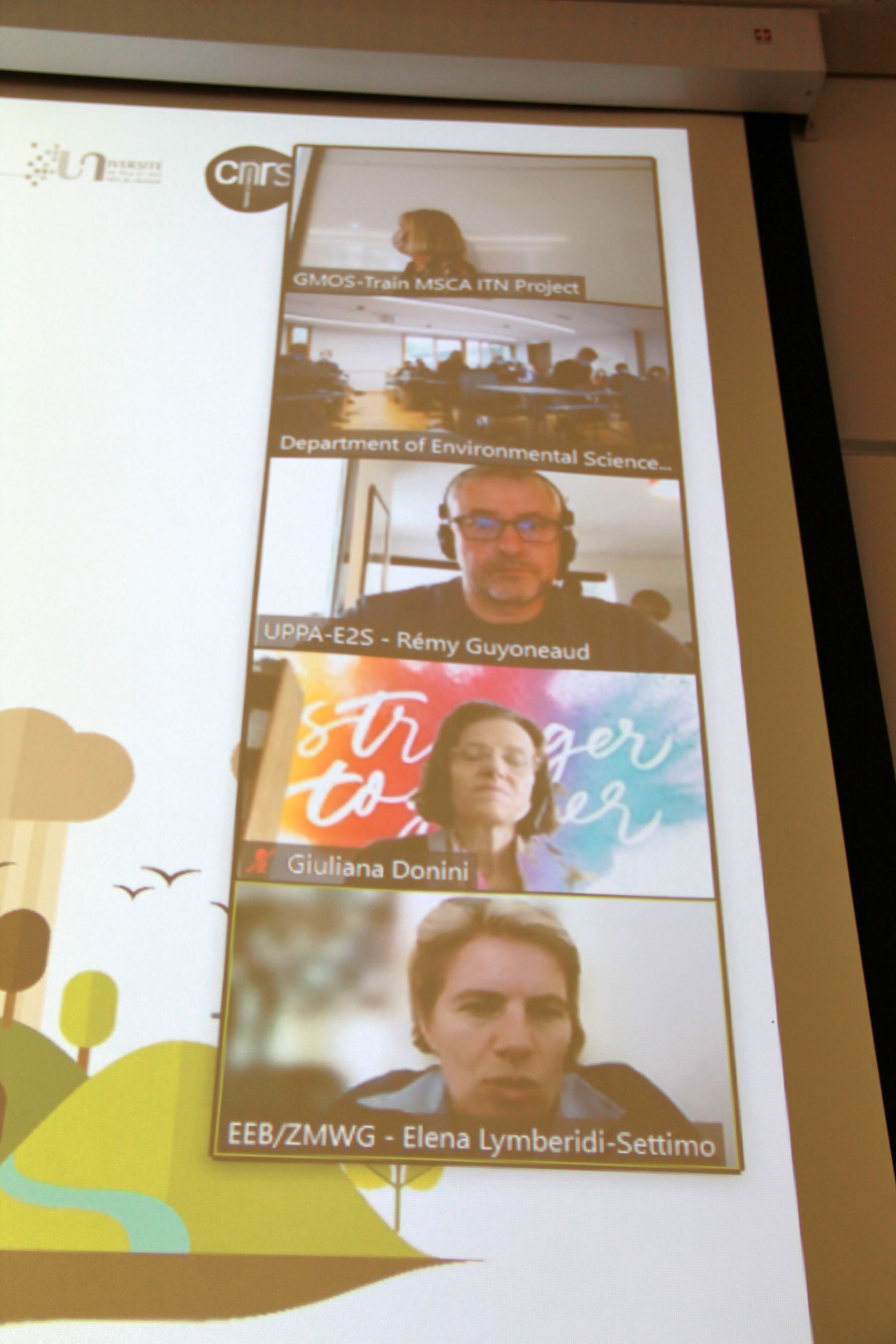
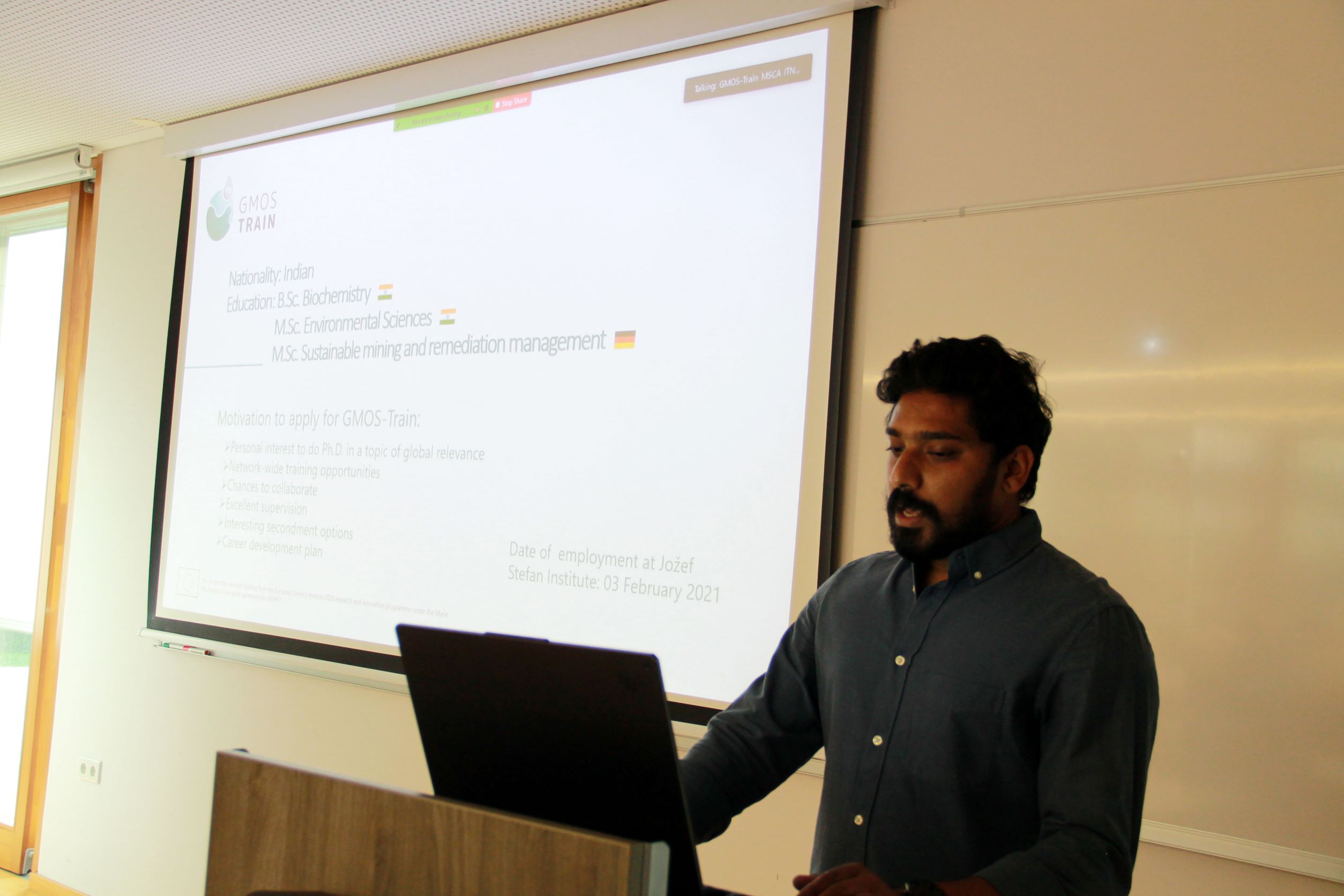
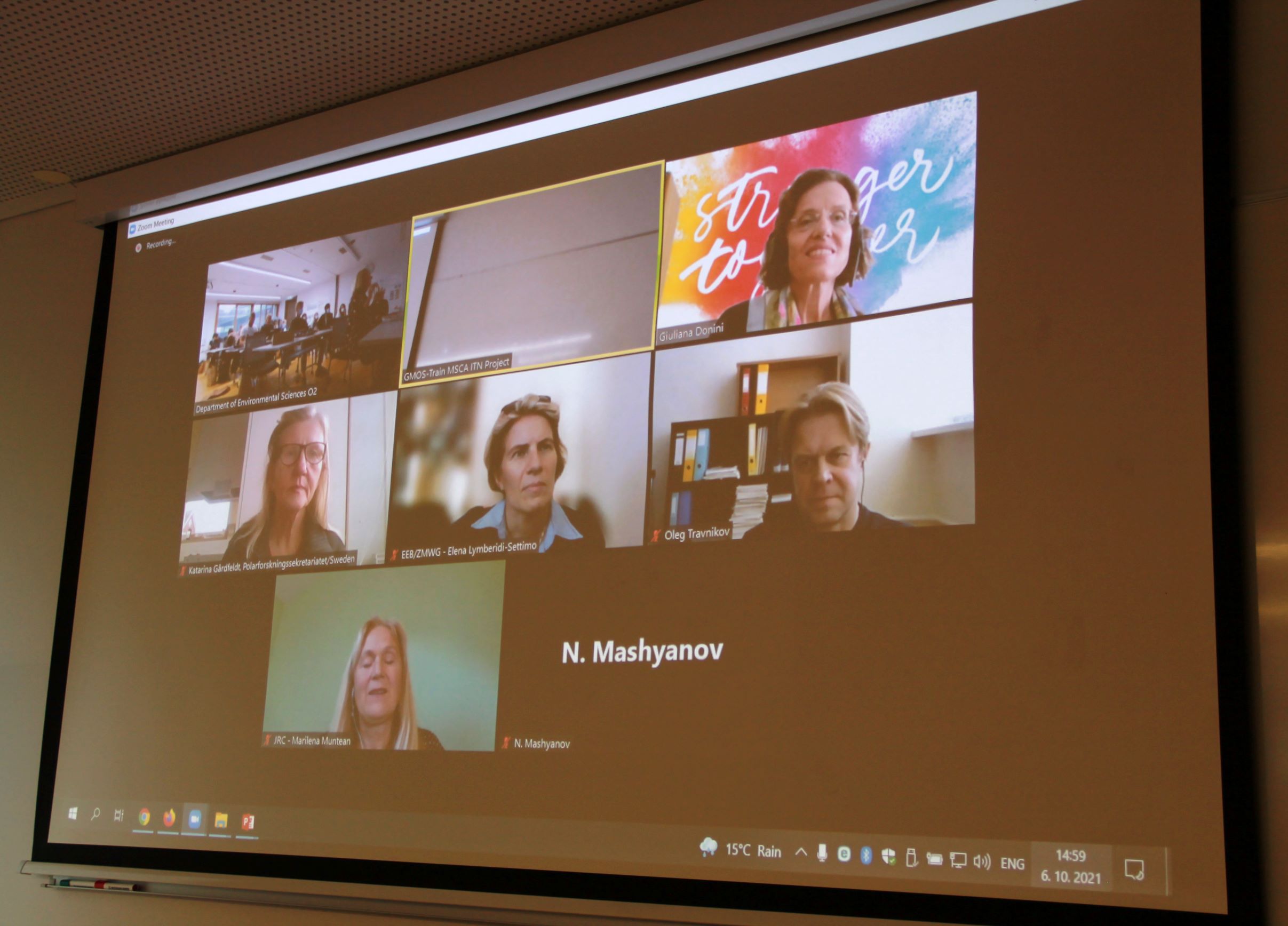
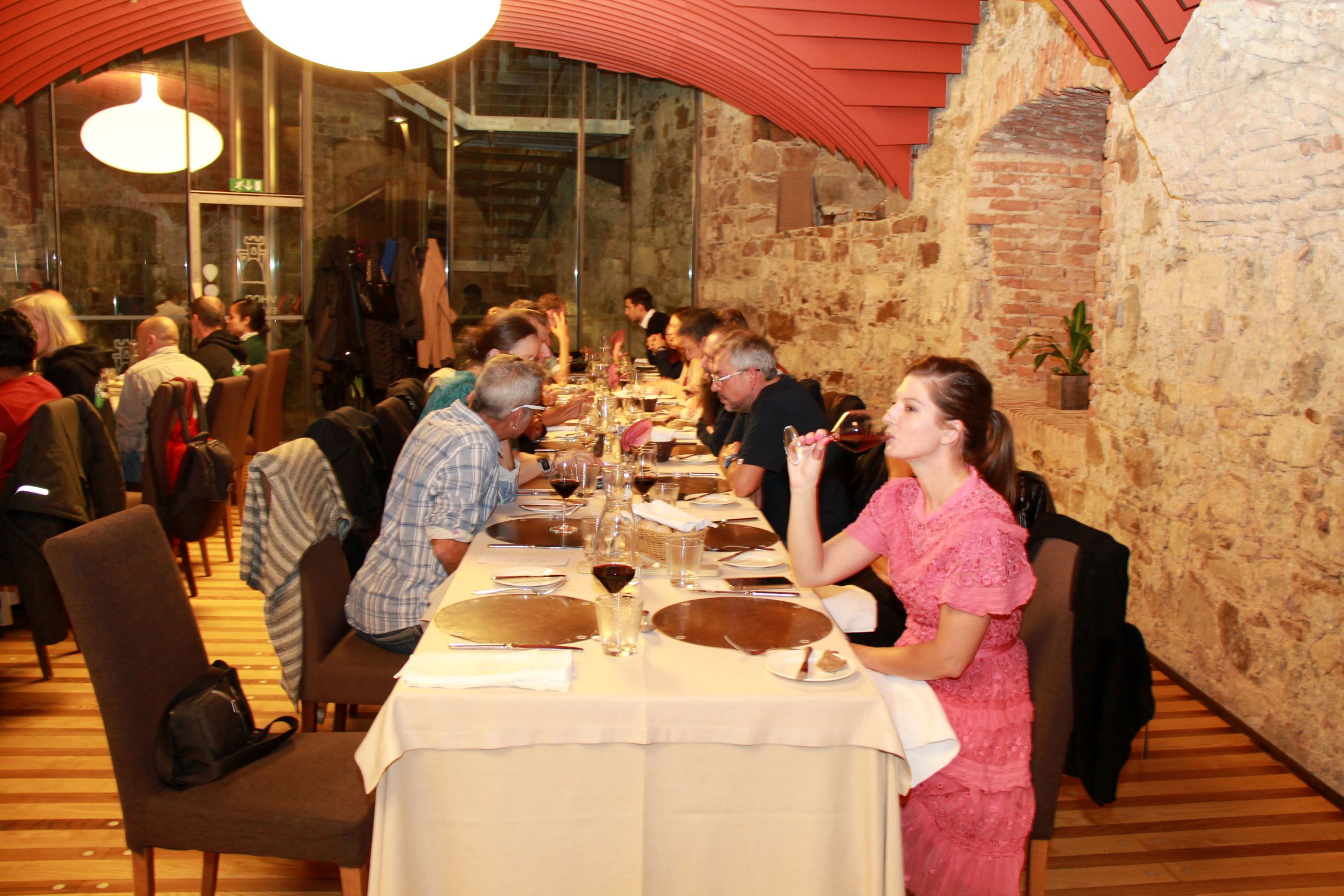
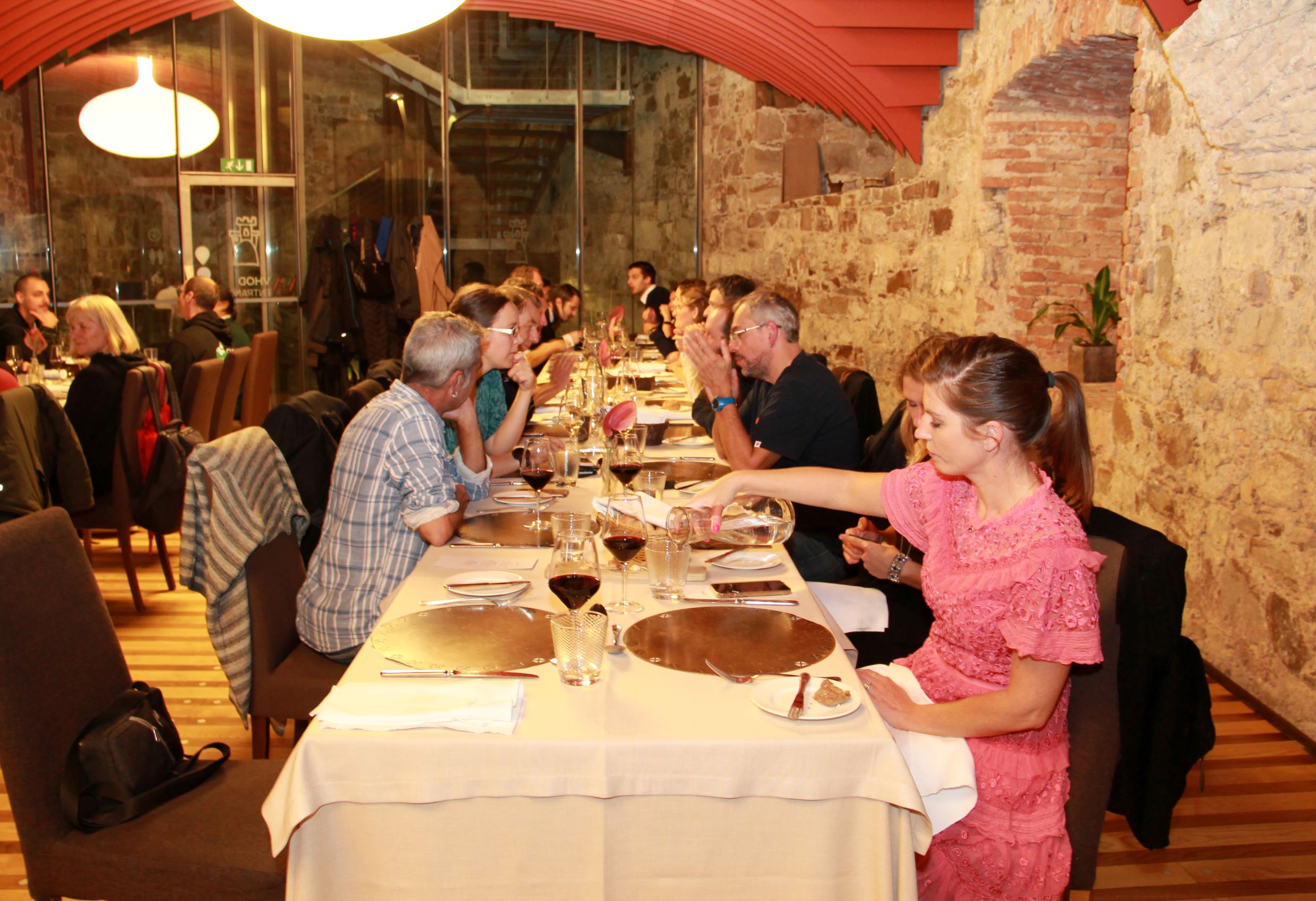
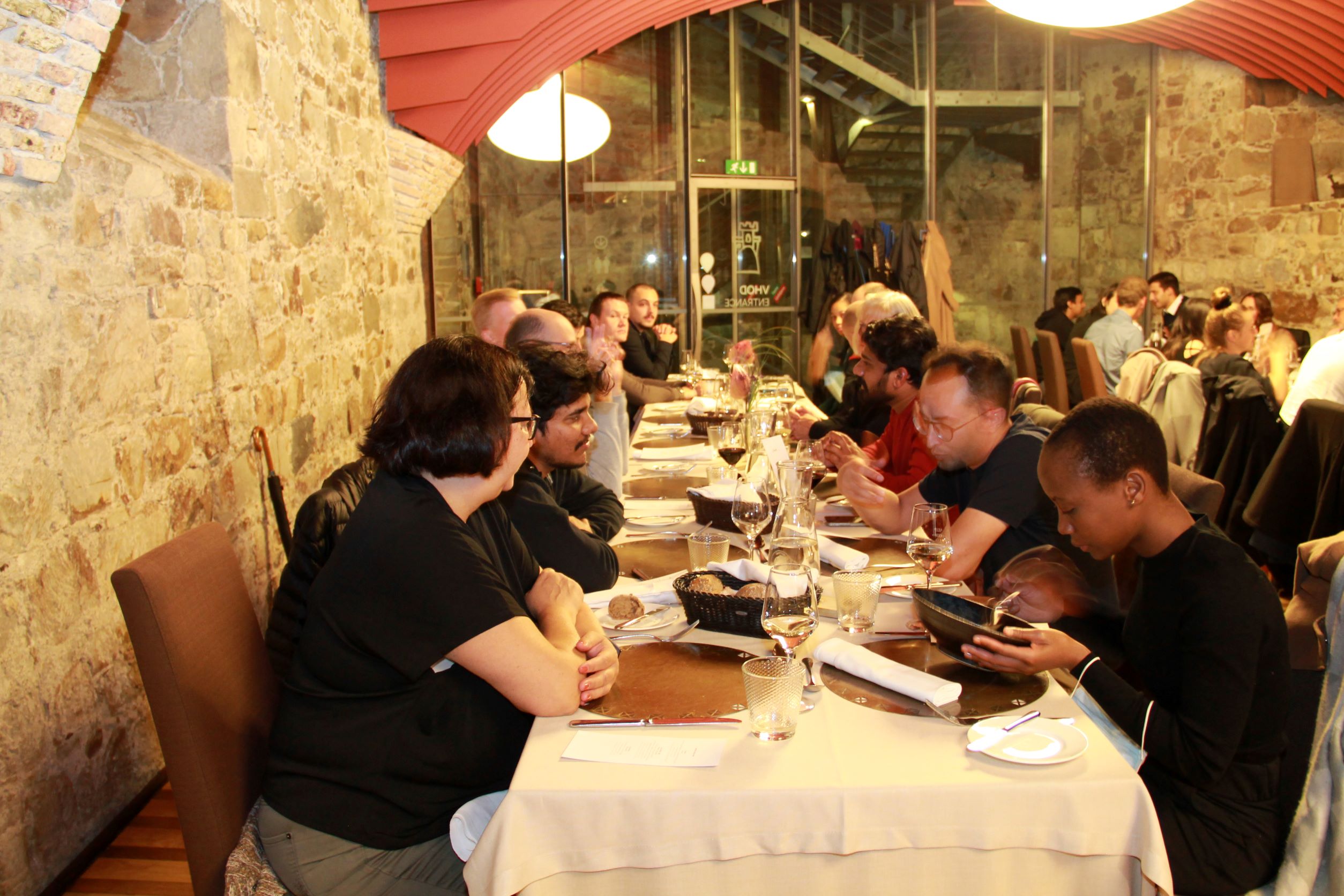
Mid-Term Check Meeting DAY 1
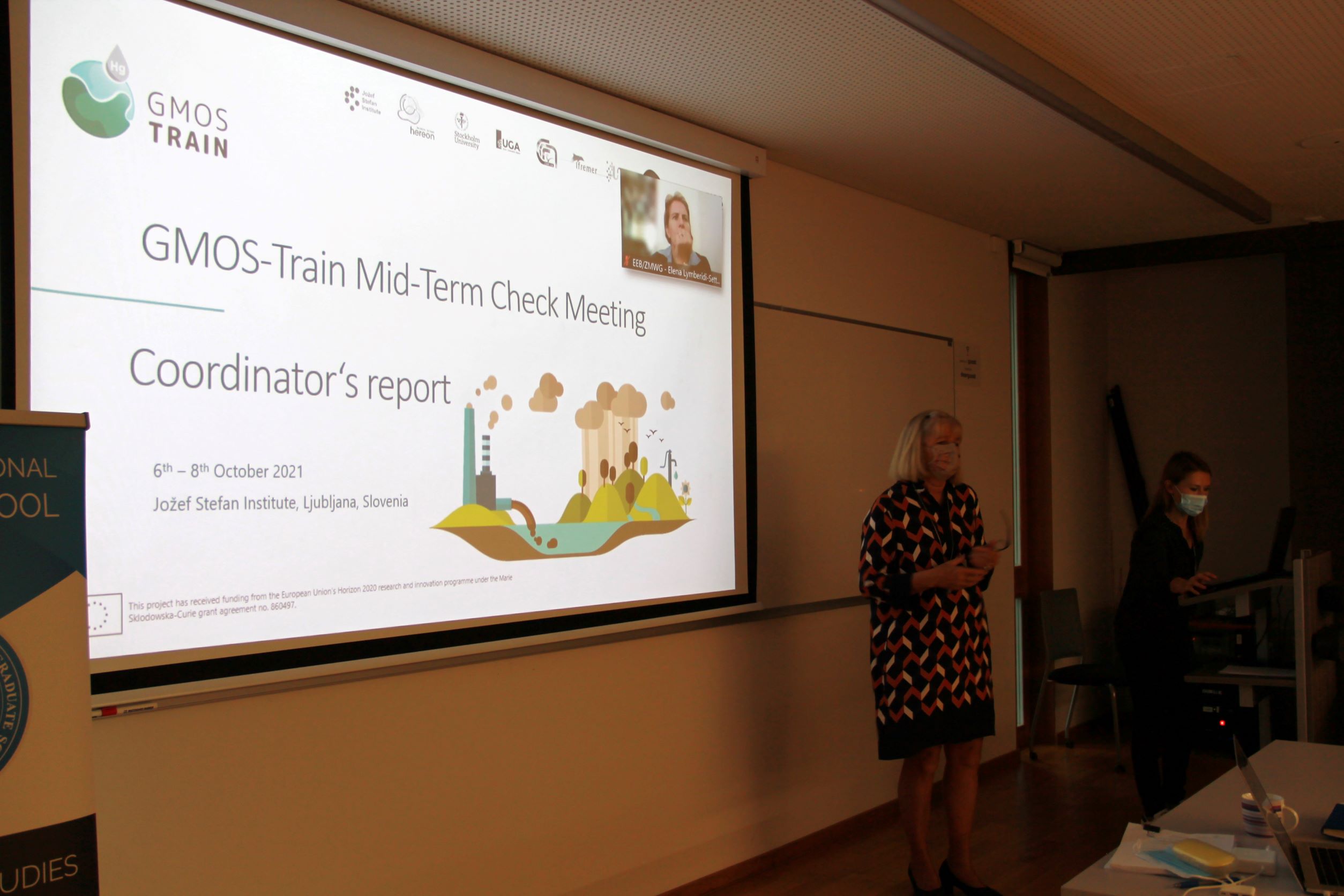
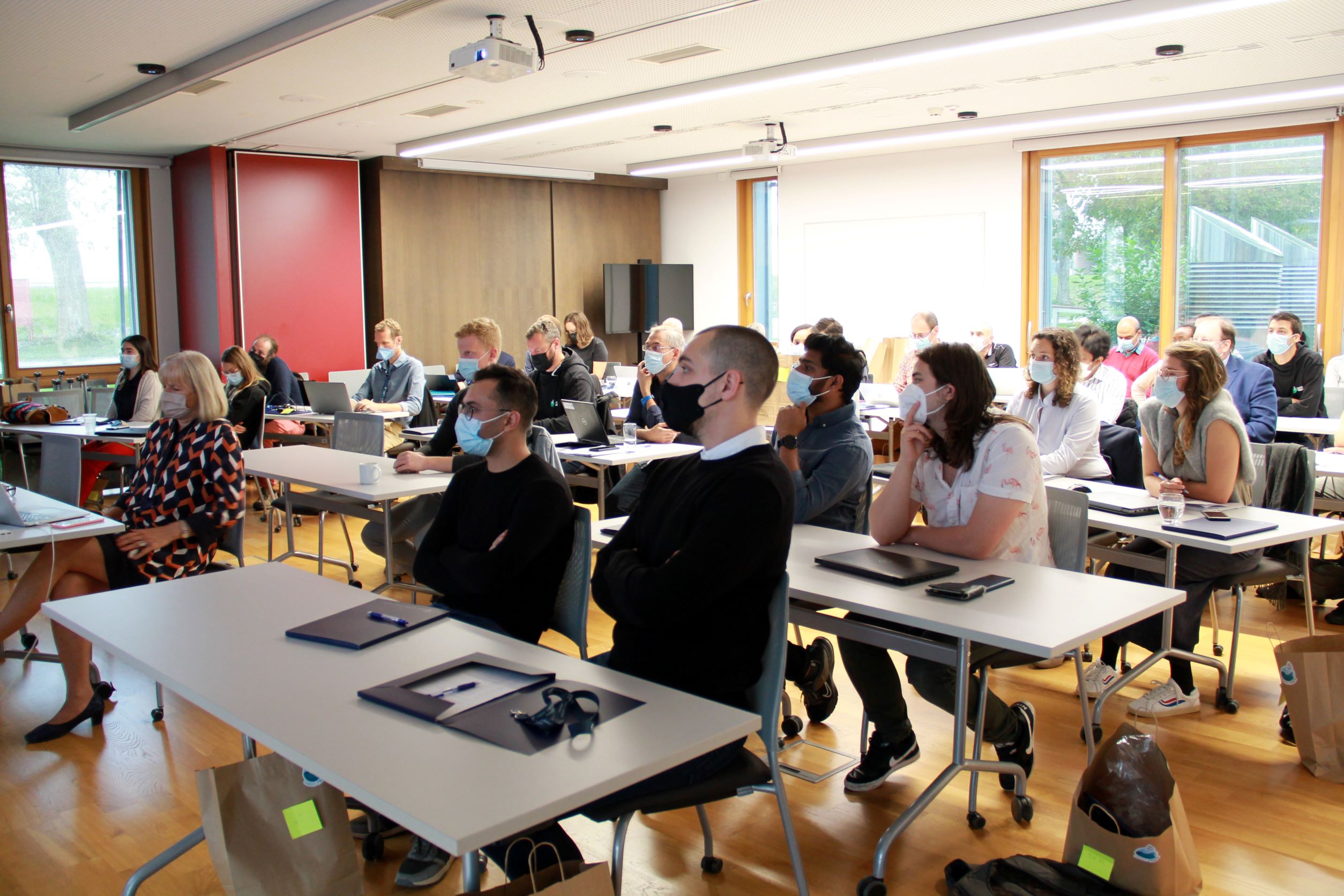
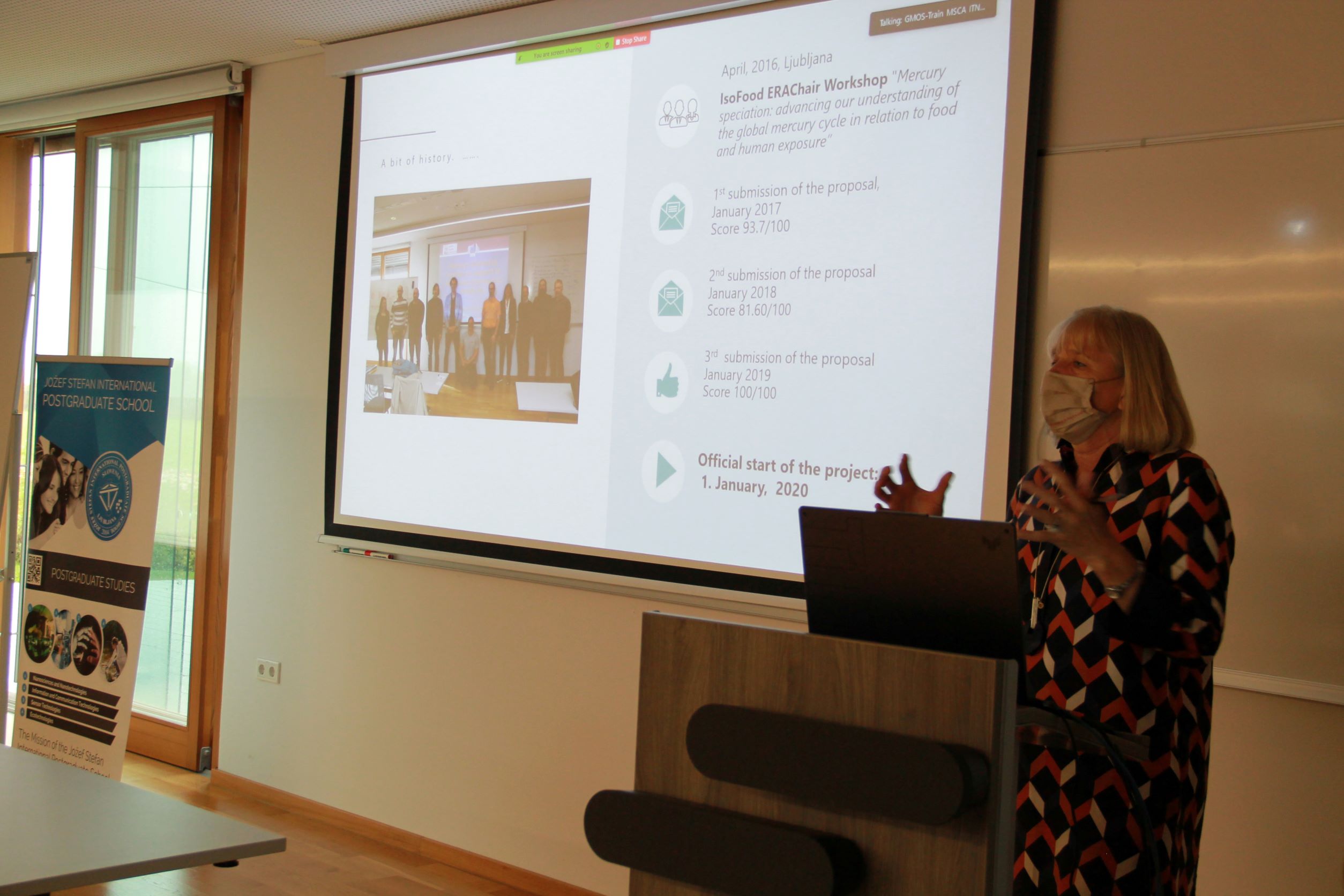
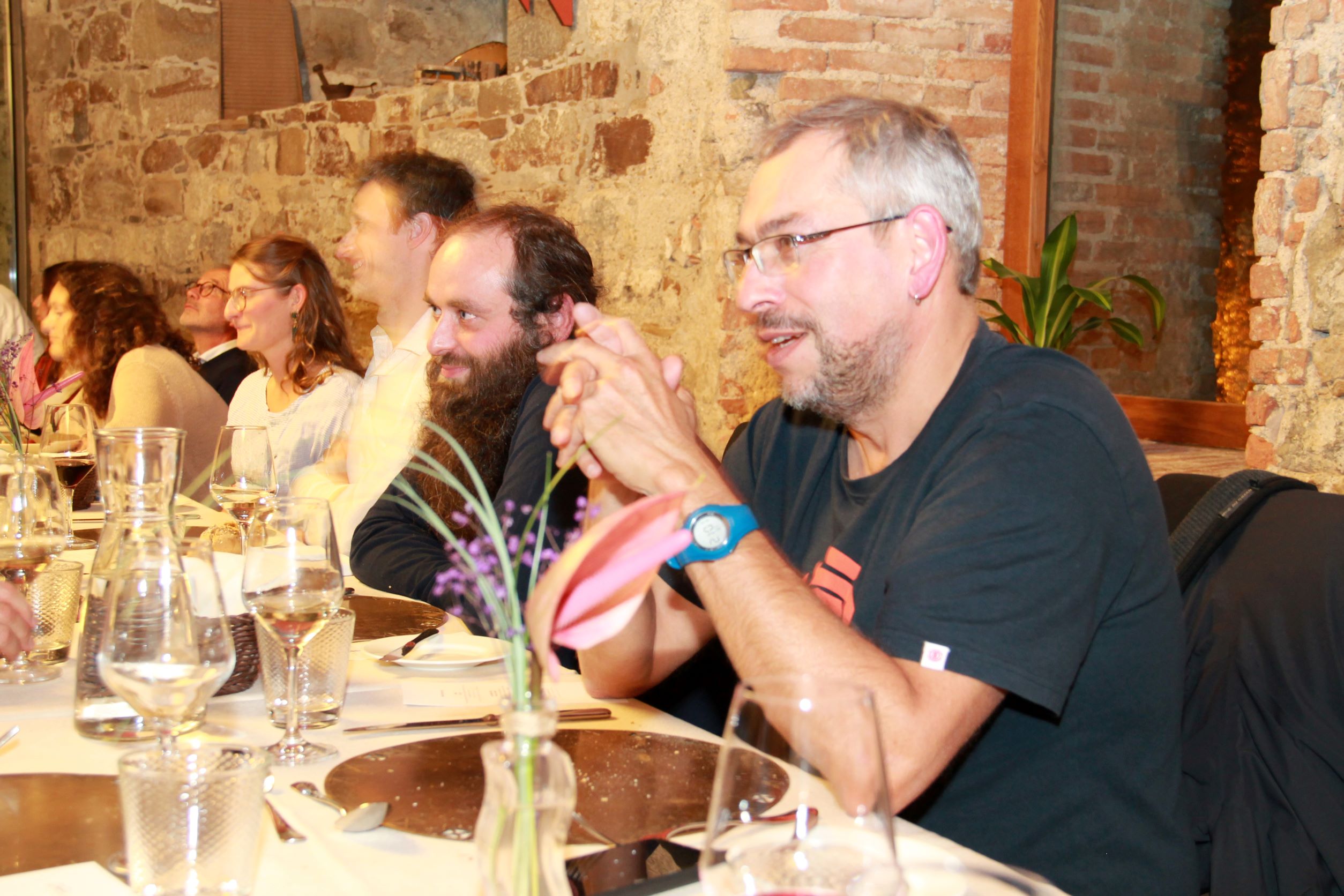
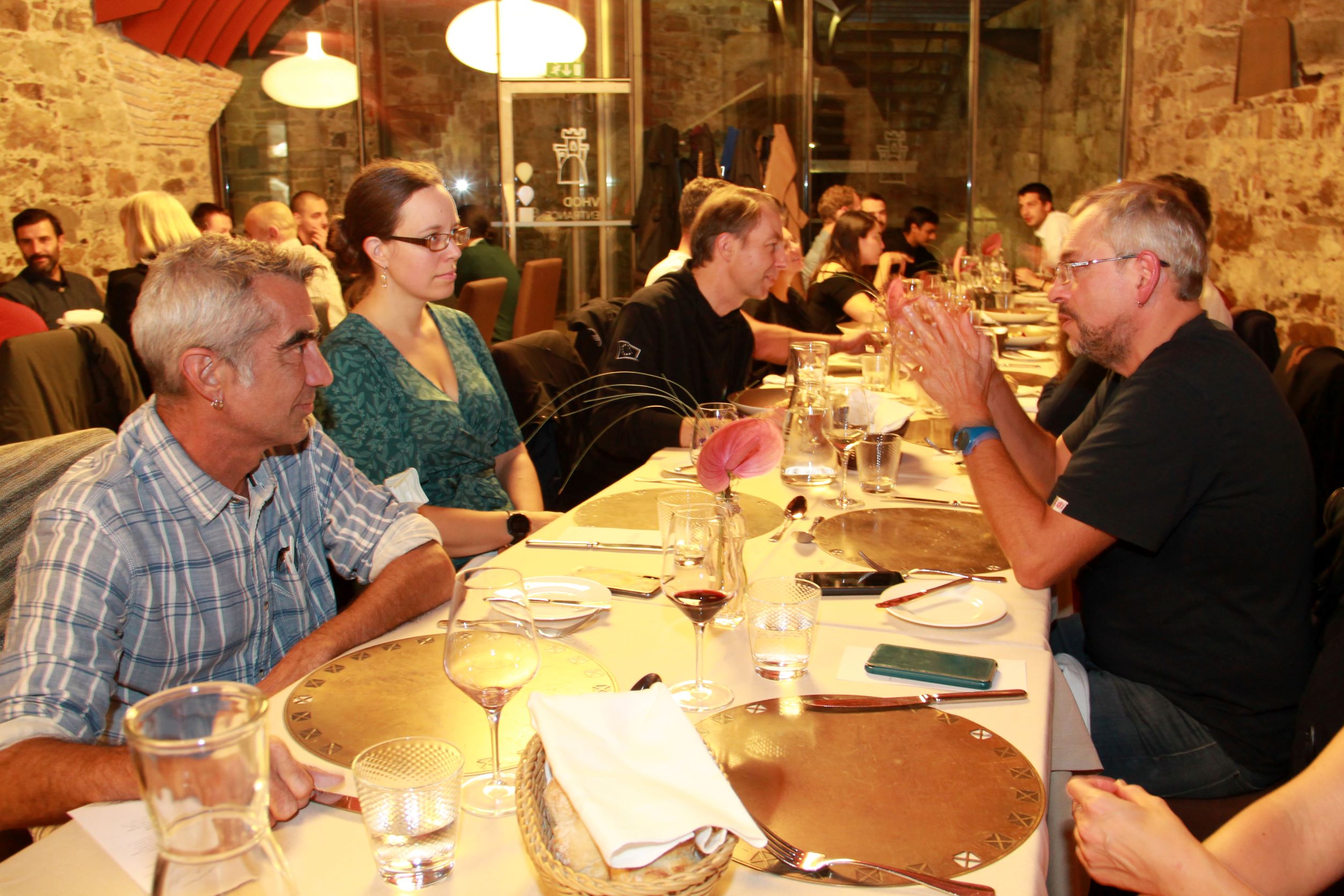
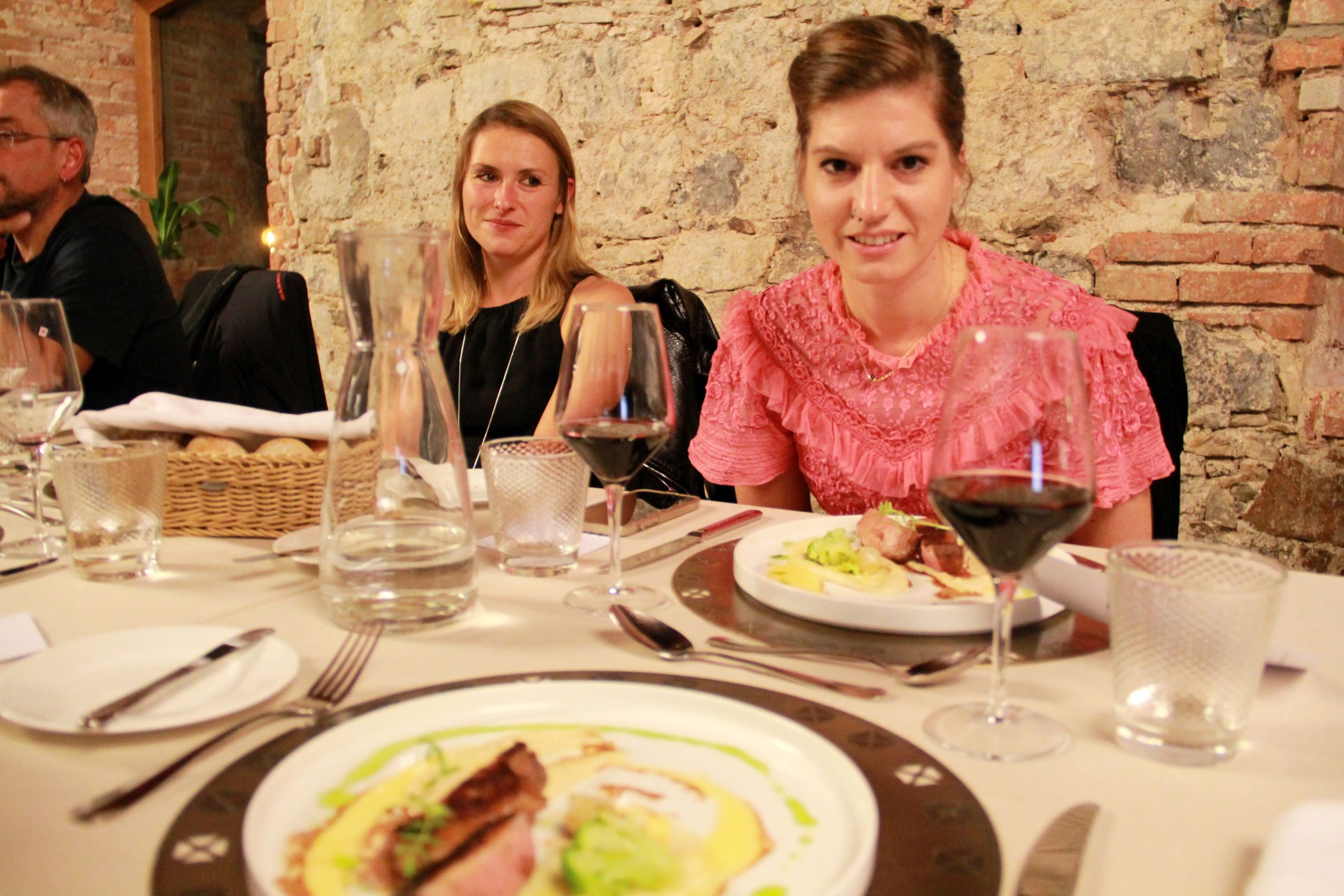
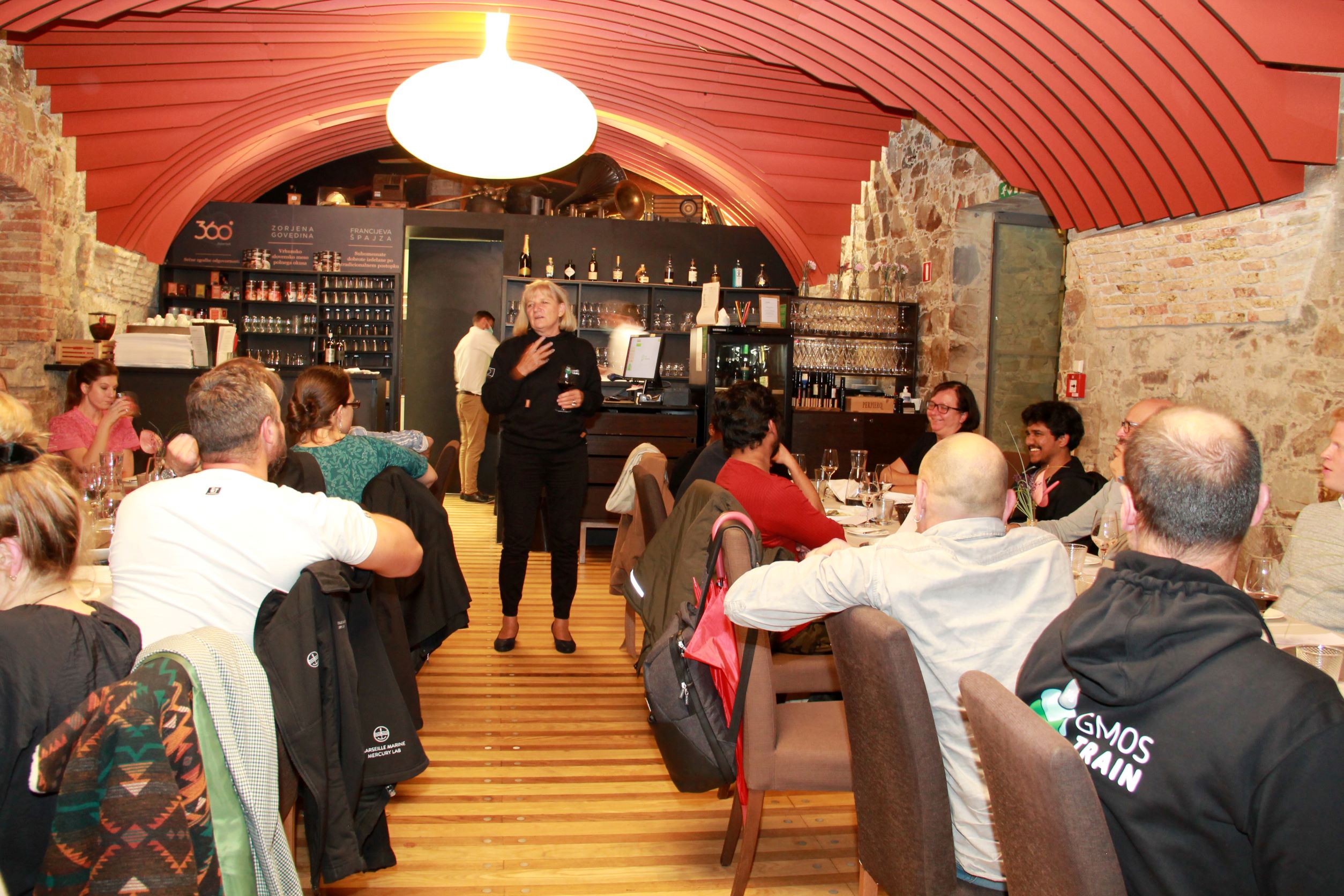
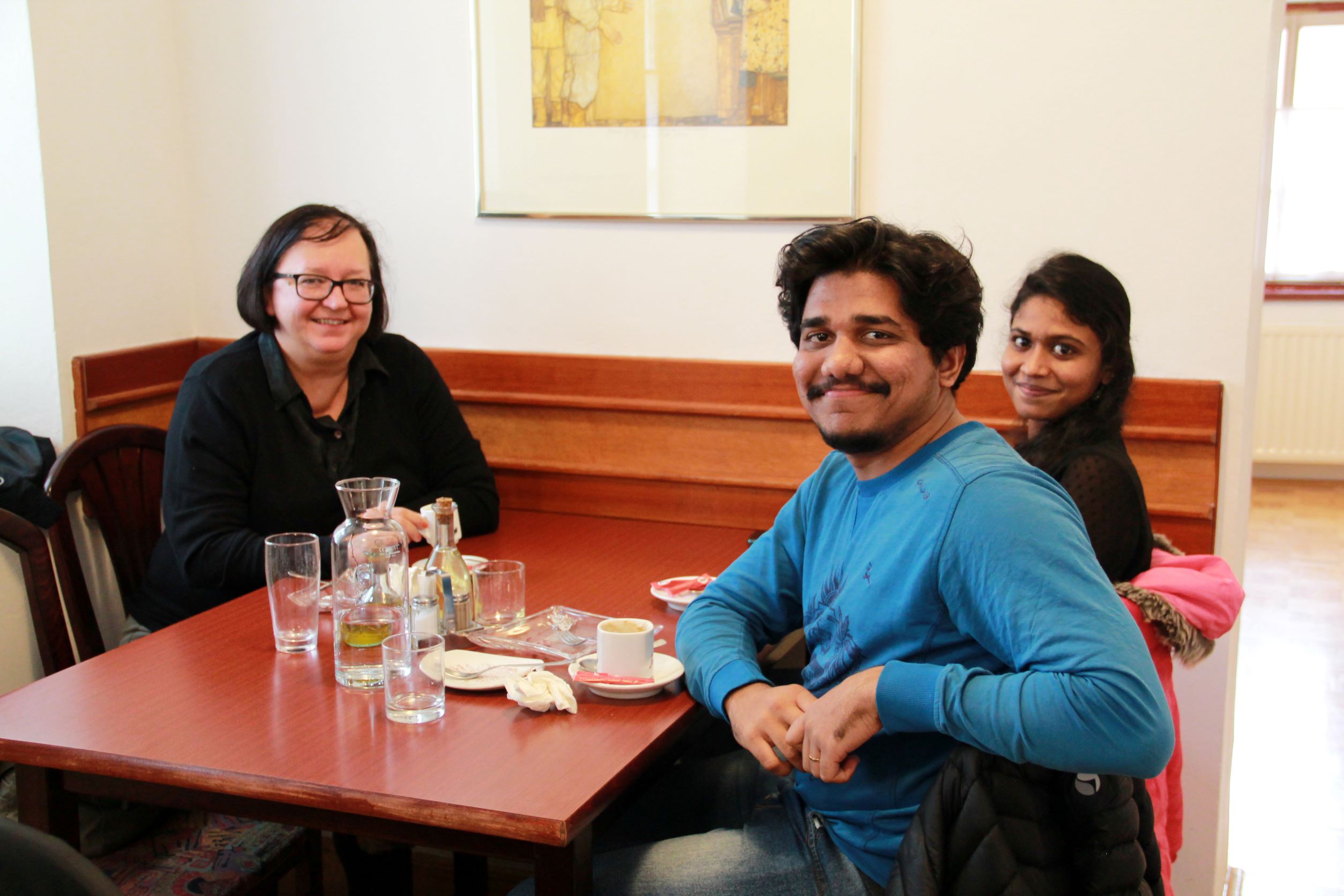
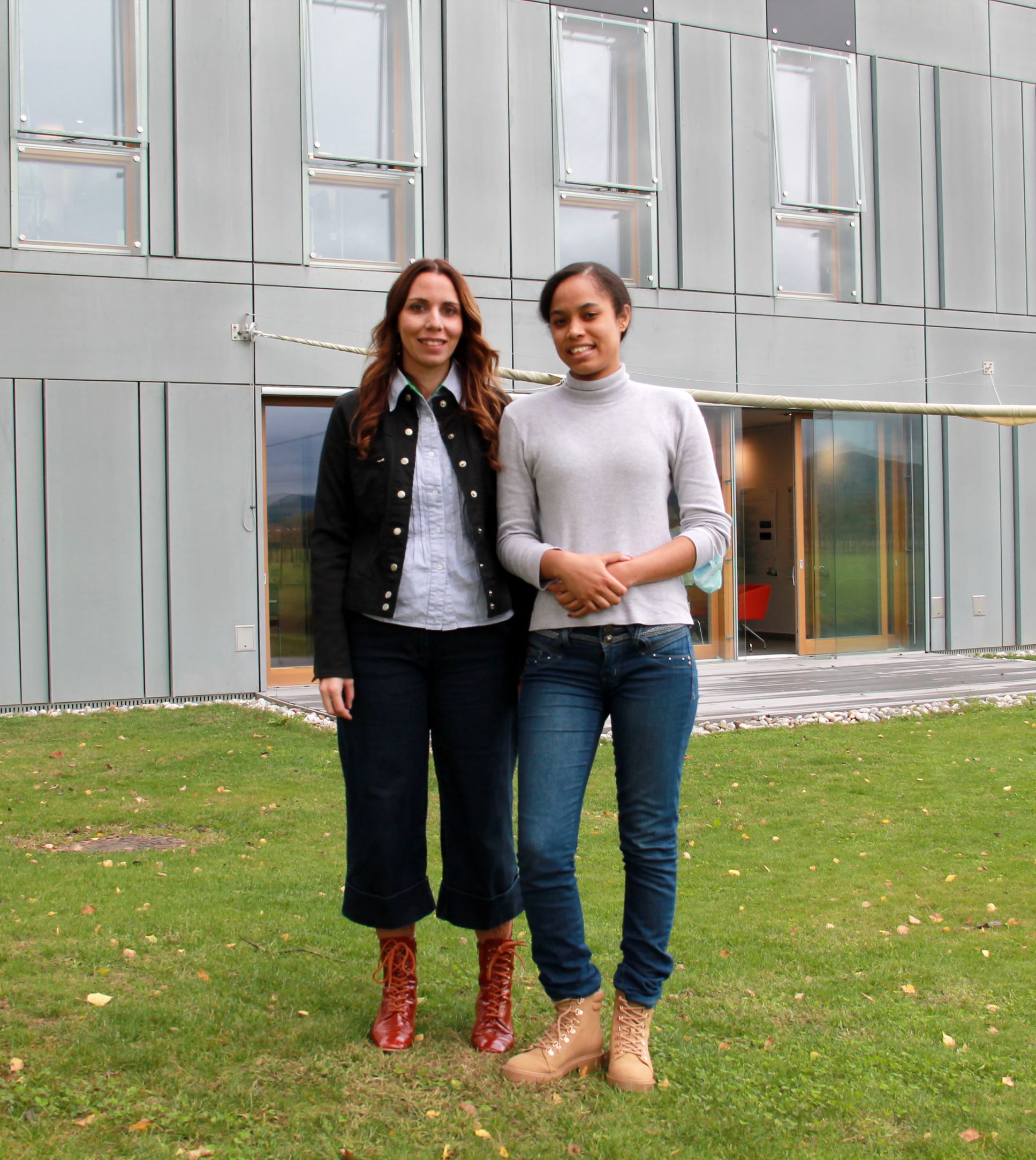
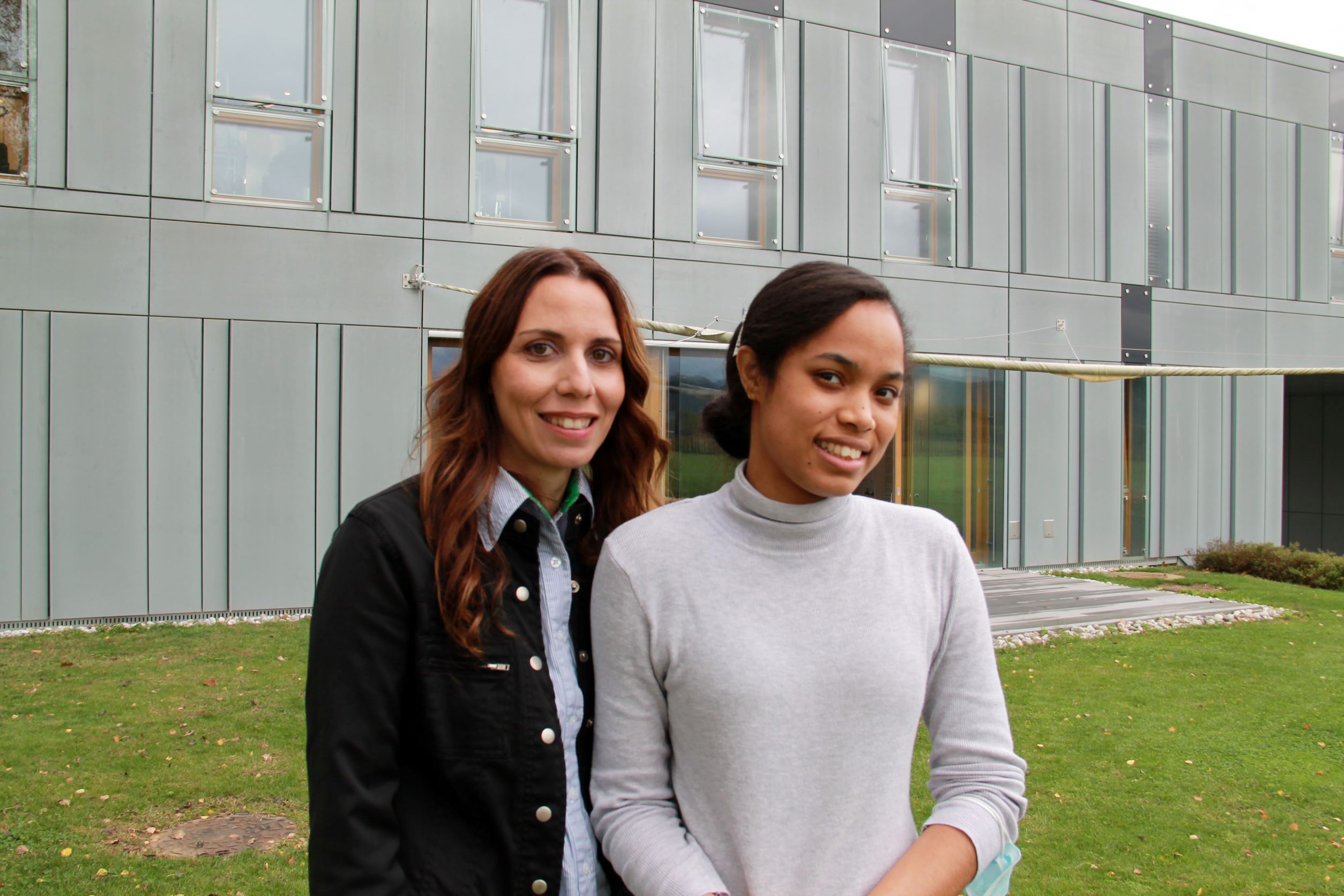
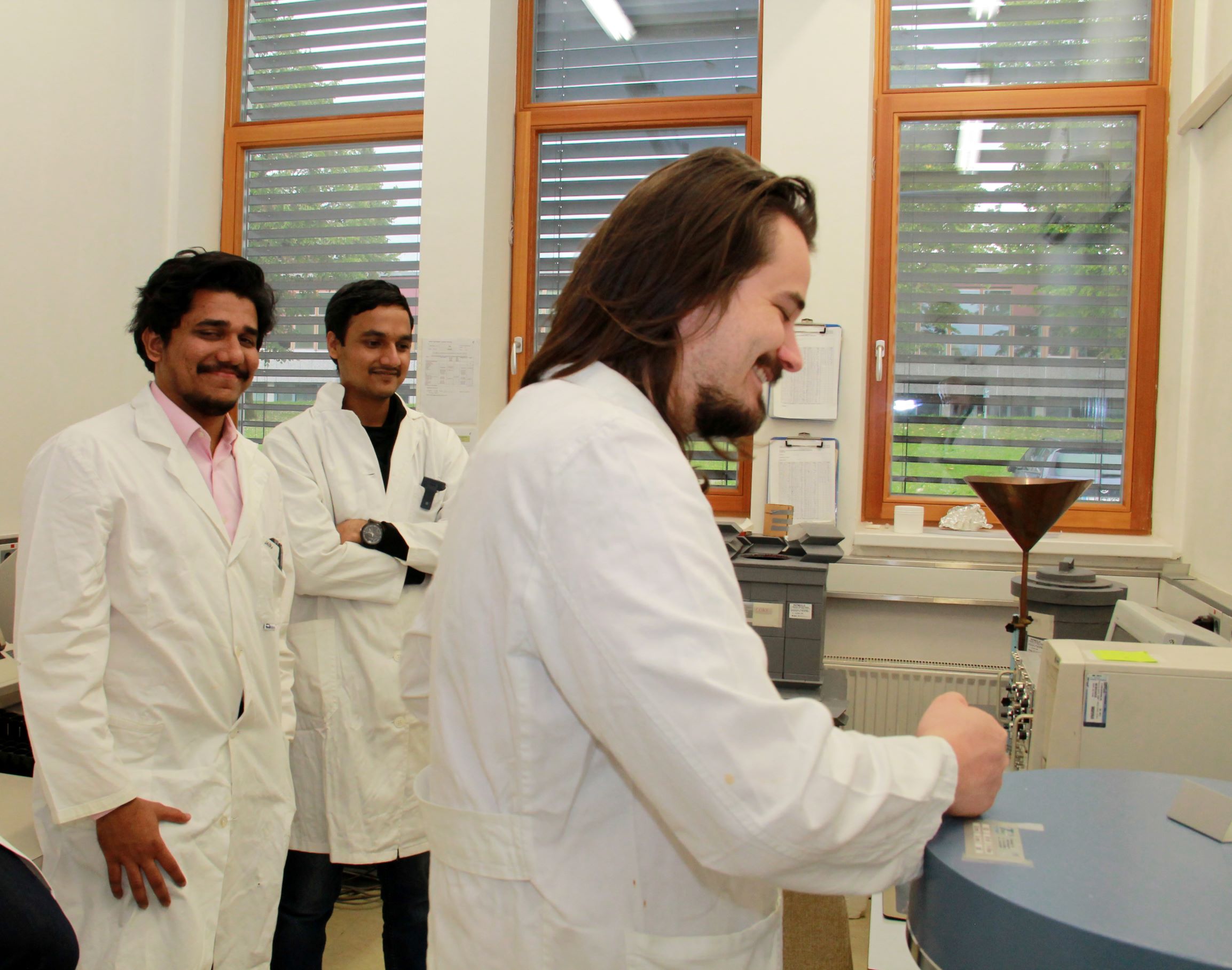
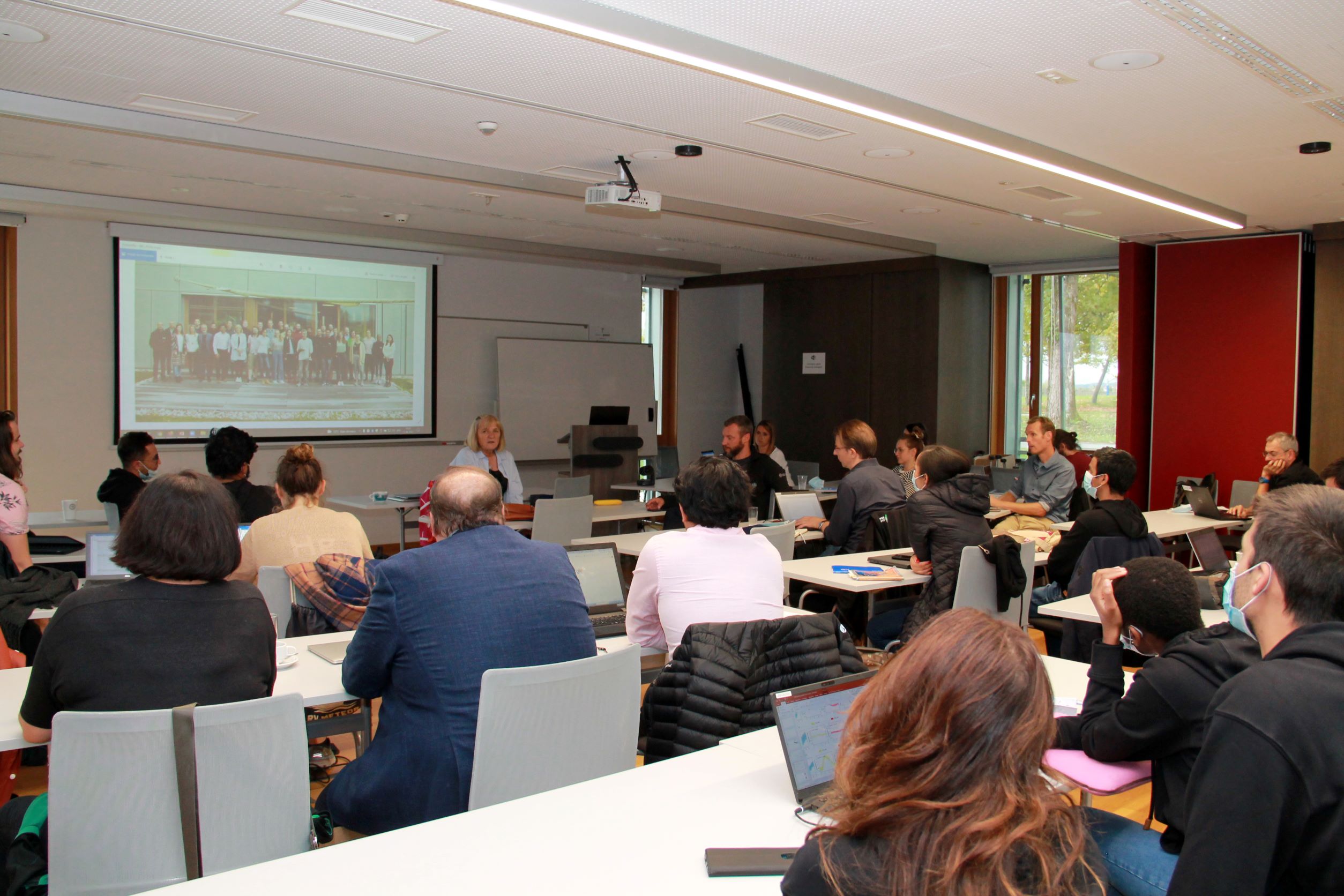
A day to remember! Check out the photo reportage of Day 1 of the GMOS-Train meeting in Ljubljana.